Home & Garden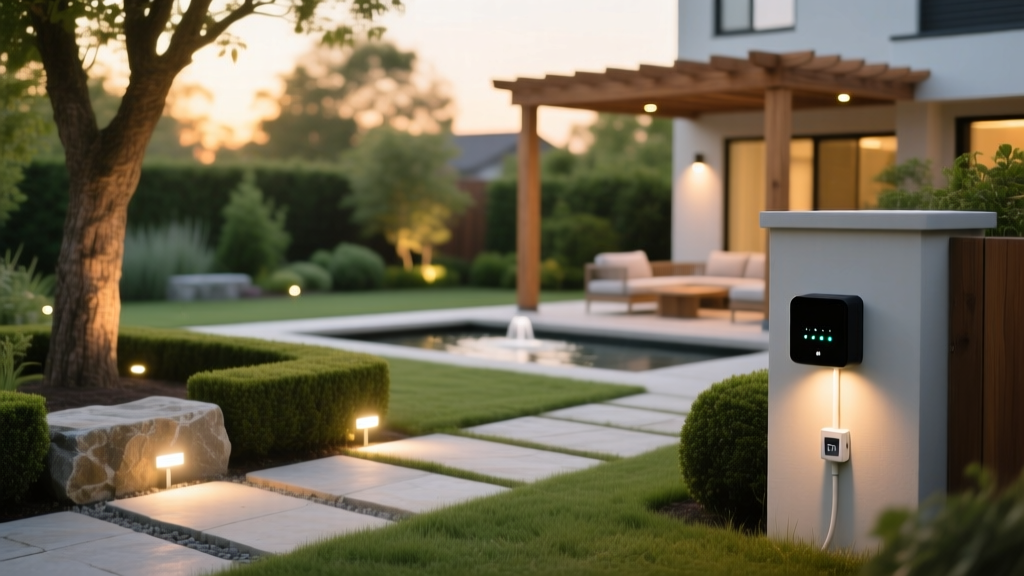
Design Smart Low-Voltage LED Landscape Lighting Layouts
Anna KowalskiPublished
Transforming Outdoor Spaces with Smart Low-Voltage Lighting
Designing an outdoor living space requires a seamless blend of aesthetics, functionality, and energy efficiency. As homeowners increasingly view their patios, gardens, and walkways as extensions of their indoor living areas, the demand for sophisticated outdoor lighting has surged. However, illuminating your landscape does not mean you have to compromise on energy consumption or convenience. By planning a smart, low-voltage LED landscape lighting system, you can dramatically enhance your home's curb appeal, improve nighttime safety, and integrate your outdoor spaces with your broader smart home ecosystem.
Unlike traditional 120-volt line-voltage systems that require deep trenching, rigid conduits, and licensed electricians, low-voltage (12V) systems are highly accessible for DIY enthusiasts and professional landscapers alike. When paired with modern LED technology and smart home automation, these systems offer unparalleled control over ambiance, scheduling, and energy usage. This comprehensive guide will walk you through the essential design principles, technical specifications, and smart integration strategies required to plan a flawless outdoor lighting layout.
Why Low-Voltage LED is the Foundation of Modern Design
The transition from halogen to LED fixtures has revolutionized landscape lighting. Halogen bulbs burn hot, consume excessive wattage, and require frequent replacement. In contrast, LED diodes operate at a fraction of the temperature and draw significantly less power. According to data from ENERGY STAR, certified LED lighting uses up to 90% less energy than incandescent lighting and lasts up to 25 times longer. This massive reduction in wattage means you can run more fixtures on a single low-voltage transformer without overloading the system.
Furthermore, low-voltage systems operate at a much safer 12 volts, drastically reducing the risk of severe electrical shock. This safety profile allows for shallower burial depths for wiring—typically around 6 inches—making it easier to navigate around existing root systems, irrigation lines, and hardscaping. When planning your design, always opt for integrated LED fixtures rather than drop-in LED bulbs. Integrated fixtures are engineered with built-in heat sinks and specialized optics that protect the diodes from moisture and debris, ensuring a lifespan of 50,000 hours or more.
Strategic Zone Planning: Lumens, Beam Angles, and Spacing
A common mistake in landscape lighting design is over-illumination. The goal is to create depth, contrast, and focal points, not to turn your backyard into a daytime stadium. To achieve a professional look, divide your yard into distinct lighting zones: path lighting, accent/uplighting, and task lighting. Each zone requires specific lumen outputs and beam angles to function correctly.
Path lights should provide enough illumination to define the edges of a walkway without spilling excessive light into adjacent garden beds. Accent lights are used to highlight architectural features, specimen trees, or water features, utilizing narrower beam angles to create dramatic shadows. Task lighting is reserved for functional areas like outdoor kitchens, dining spaces, and staircases, where higher lumen output and wider flood beams are necessary for safety and usability.
Fixture Specification Guide
| Fixture Type | Recommended Lumens | Beam Angle | Spacing & Placement | Color Temperature |
|---|---|---|---|---|
| Path / Area Lights | 100 - 200 lm | 120° - 360° (Downward) | 8 to 10 feet apart, staggered | 2700K - 3000K |
| Accent / Uplights | 150 - 300 lm | 10° - 35° (Narrow Spot) | 2 to 4 feet from base of object | 3000K |
| Wash / Flood Lights | 300 - 500 lm | 60° - 120° (Wide Flood) | 6 to 12 feet from broad surfaces | 3000K |
| Step / Hardscape Lights | 50 - 100 lm | 90° - 120° (Linear) | Integrated into risers or caps | 2700K |
Integrating Smart Home Automation
The true power of a modern landscape lighting system lies in its integration with smart home platforms like Control4, Lutron, Hubitat, or Home Assistant. To achieve this, the brain of your system—the transformer—must be smart-enabled. Traditional analog transformers rely on mechanical timers or basic photocells, which are prone to failure and lack granular control.
When planning your layout, specify a smart low-voltage transformer equipped with built-in Wi-Fi or Zigbee capabilities. Brands like WAC Lighting and Kichler offer transformers that connect directly to your home network, allowing you to dim zones independently, set schedules based on local sunrise and sunset data, and create automated scenes. For example, you can program a 'Welcome Home' scene that illuminates the pathway and porch at 50% brightness when your smart lock is triggered after dark.
Alternatively, if you are retrofitting an existing transformer, you can install a smart outdoor relay module between the transformer and the main trunk line. Ensure that any smart relay you choose is rated for outdoor use (IP65 or higher) and can handle the total wattage of your LED load. Avoid using smart bulbs inside low-voltage fixtures; the voltage drop over long wire runs can cause smart bulbs to flicker, disconnect from the network, or fail prematurely.
Adhering to Dark Sky Principles to Reduce Light Pollution
As outdoor lighting becomes more prevalent, light pollution has become a significant environmental concern, disrupting local wildlife, obscuring the night sky, and contributing to energy waste. When designing your layout, it is crucial to incorporate the guidelines set forth by DarkSky International. Their core principles emphasize shielding, color temperature, and adaptive controls.
First, ensure all fixtures are fully shielded, meaning the light source is directed downward and no bare bulb is visible from the side. This prevents glare and stops light from trespassing onto neighboring properties or into the night sky. Second, stick to warm color temperatures. LEDs with a color temperature of 3000K or lower (ideally 2700K) emit less blue light, which is the primary culprit behind ecological disruption and skyglow. Finally, utilize your smart automation to implement adaptive controls. Program your system to dim non-essential accent and path lights by 50% after midnight, and use motion sensors for task and security lighting so they only activate when needed. For a deeper understanding of the ecological impacts of poorly designed lighting, the Penn State Extension offers excellent resources on mitigating outdoor light pollution in residential areas.
Mastering Voltage Drop and Wire Sizing
One of the most critical technical aspects of planning a low-voltage system is calculating voltage drop. Because the system operates at only 12 volts, even a small loss of voltage over long wire runs can result in dim, flickering fixtures at the end of the line. To maintain optimal performance, the voltage at the furthest fixture should not drop below 10.5 volts.
To mitigate voltage drop, use the correct wire gauge based on the total wattage and the length of the run. For most residential landscapes, 12-gauge copper wire is the gold standard for main trunk lines, capable of handling up to 200 watts over a 100-foot run with minimal loss. For shorter branch lines connecting individual fixtures to the trunk, 14-gauge or 16-gauge wire is sufficient. Always design your layout using a 'hub-and-spoke' or 'loop' topology rather than a single long daisy-chain. T-splitting the wire closer to the transformer ensures that the electrical load is distributed evenly across multiple shorter runs, preserving voltage integrity across the entire landscape.
Budgeting for a Professional-Grade DIY Installation
Understanding the costs associated with high-quality materials will help you budget accurately and avoid the temptation of cheap, big-box store kits that degrade quickly. Below is an estimated cost breakdown for a standard 15-fixture smart LED landscape lighting system.
| Component | Specifications | Estimated Cost |
|---|---|---|
| Smart Transformer | 300W, Wi-Fi enabled, stainless steel | $350 - $500 |
| Path Fixtures (x6) | Brass or copper, integrated LED | $70 - $120 each |
| Accent Uplights (x6) | Adjustable knuckle, brass | $60 - $100 each |
| Step Lights (x3) | Hardscape LED strips or louvered | $40 - $80 each |
| Wire & Connectors | 250ft 12-gauge, silicone gel wire nuts | $150 - $200 |
| Total Estimated Budget | High-quality, long-lasting materials | $1,600 - $2,500 |
Step-by-Step Implementation Strategy
Once your design is mapped and materials are procured, follow a systematic installation process. Begin by laying out the fixtures above ground during the daytime to mark your trenching lines. Wait until dusk to plug in a temporary power source and test the beam angles and spacing. This nighttime mock-up is crucial; what looks good on paper may cast unwanted shadows or create glare in reality.
After finalizing the layout, dig your trenches to a depth of 6 to 8 inches. Lay the 12-gauge trunk line and branch out to your fixtures. Use waterproof, silicone-filled wire connectors to prevent moisture intrusion and corrosion, which are the leading causes of system failure. Backfill the trenches, mount the smart transformer to a wall or post near a GFCI-protected outdoor outlet, and connect your main lines. Finally, download your transformer's companion app, connect it to your 2.4GHz Wi-Fi network, and program your automated scenes, dimming levels, and astronomical timers. By following these meticulous planning and installation steps, you will create a stunning, energy-efficient outdoor environment that enhances your home's value and extends your living space well into the night.
