Pest Control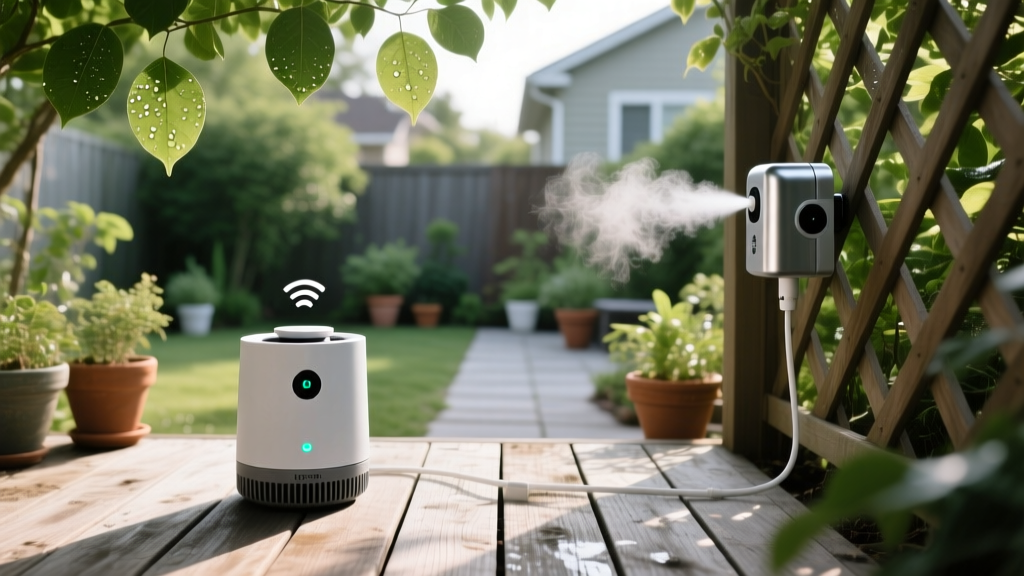
Smart Mosquito Control: Automated Misting vs. Smart Traps
David ParkPublished
The modern smart home extends far beyond indoor lighting and thermostats. For lawn and garden enthusiasts, the yard has become the new frontier for automation, particularly when it comes to pest control. Dealing with mosquitoes, ticks, and the wildlife that carries them is a constant battle. However, by integrating smart home hubs, automated irrigation, and AI-driven cameras, homeowners can implement a highly effective, tech-forward approach to Integrated Pest Management (IPM).
The Intersection of Smart Home Tech and IPM
Integrated Pest Management (IPM) is an ecosystem-based strategy that focuses on long-term prevention of pests or their damage through a combination of techniques. According to Penn State Extension, IPM relies on understanding pest life cycles and their interaction with the environment, using technology and targeted treatments only when necessary. Smart home automation perfectly complements IPM by allowing precise, timed interventions that minimize chemical usage and protect beneficial insects. Instead of blanket-spraying your yard daily, smart systems allow you to deploy deterrents exactly when pests are most active or when environmental conditions are optimal.
Automated Mosquito Misting Systems: The Heavy Artillery
For homeowners in heavily wooded or humid regions, automated mosquito misting systems represent the pinnacle of hands-off pest control. Systems like the MistAway Gen3+ or Swarmbuster utilize a network of micro-tubing and nozzles installed along fence lines, eaves, and landscaping perimeters.
How Automation Works
Modern misting units feature Wi-Fi-enabled control boards. Through a dedicated smartphone app, you can program misting schedules based on local sunrise and sunset data. Because mosquitoes are most active at dawn and dusk, the system automatically releases a fine mist of botanical insecticides (like pyrethrum) or synthetic pyrethroids (like permethrin) precisely during these peak hours. Advanced systems also include wind and rain sensors, automatically aborting a scheduled mist if wind speeds exceed 5 mph or if it is raining, preventing chemical drift and runoff.
Costs and Maintenance
- Initial Installation: $2,500 to $5,000 for a professional 30-nozzle setup.
- Refill Costs: $35 to $60 per gallon of concentrate, lasting 1 to 2 months depending on yard size.
- Maintenance: Annual winterization and nozzle unclogging.
While highly effective, misting systems must be used judiciously. Broad-spectrum insecticides can harm non-target species, including bees and butterflies. To align with IPM practices, schedule misting strictly for early morning or late evening when pollinators are inactive, and use botanical alternatives like pyrethrin, which breaks down rapidly in sunlight.
CO2 Traps and Smart Plug Automations
If chemical misting is not your preference, carbon dioxide (CO2) baited traps offer a powerful, non-toxic alternative. Mosquitoes track CO2 plumes to find human hosts. High-end traps like the Mosquito Magnet Patriot Plus or the Biogent BG-Mosquitaire mimic human breath and scent using octenol or CO2 cartridges, vacuuming mosquitoes into a net where they dehydrate.
Integrating Traps with Smart Plugs
While these traps are highly effective, running them 24/7 wastes expensive propane, octenol lures, and electricity. By plugging your electric trap (or the trap's auxiliary fan) into a weather-resistant smart plug like the Kasa Outdoor Smart Plug (EP40), you can automate its operation. Using platforms like IFTTT (If This Then That) or Home Assistant, you can create an automation that turns the trap on exactly one hour before local sunset and turns it off one hour after sunrise. This targeted operation cuts your lure and energy costs by over 50% while maintaining peak efficacy during the mosquito's primary feeding windows.
AI Wildlife Cameras and Smart Irrigation for Tick Control
Ticks are a severe threat to human and pet health, and they rely on mammalian hosts—particularly white-tailed deer and rodents—to enter your yard. According to the Centers for Disease Control and Prevention (CDC), creating a tick-safe zone involves discouraging deer from entering your property. This is where AI cameras and smart irrigation intersect brilliantly.
The AI Deterrent Setup
By mounting an AI-enabled outdoor camera, such as the Reolink Argus 3 Pro or a Wyze Cam Outdoor, facing your yard's perimeter, you can utilize on-device animal detection. These cameras can differentiate between a swaying branch, a human, and a deer.
Triggering the Smart Sprinkler
When the camera detects a deer, it can send a webhook to a smart irrigation controller like the Rachio 3. The Rachio can be programmed via IFTTT to instantly pulse a specific sprinkler zone covering the deer's entry point for exactly 60 seconds. The sudden noise and burst of water startle the deer, conditioning them to avoid your yard without causing them harm. Over time, this automated hazing drastically reduces the number of ticks deposited in your lawn by passing wildlife.
- Camera Cost: $80 - $130 (Reolink Argus series).
- Smart Controller Cost: $230 (Rachio 3).
- Efficacy: High for large mammals; requires line-of-sight and reliable Wi-Fi.
Comparison Chart: Smart Pest Control Solutions
| Technology | Target Pest | Estimated Cost | IPM Alignment | Maintenance Level |
|---|---|---|---|---|
| Automated Misting System | Mosquitoes, Fleas, Spiders | $2,500 - $5,000+ | Moderate (Requires careful chemical selection and timing) | High (Refills, winterization) |
| Smart Plug + CO2 Trap | Mosquitoes | $400 - $600 | High (Non-toxic, targeted removal) | Medium (Propane/lure replacement) |
| AI Camera + Smart Sprinkler | Deer, Raccoons (Tick Hosts) | $300 - $450 | Very High (Zero chemicals, behavioral deterrence) | Low (App updates, lens cleaning) |
Building Your Dusk-to-Dawn Automation Routine
To maximize your smart yard's defense, combine these tools into a unified ecosystem using a hub like Samsung SmartThings, Apple HomeKit, or Home Assistant. Here is a sample automation routine for peak summer pest season:
- Sunset Minus 60 Minutes: Smart plug powers on the CO2 mosquito trap in the shaded garden bed.
- Sunset Minus 30 Minutes: Smart outdoor lighting (e.g., Philips Hue Call bollards) dims to 20% warm amber. Amber light is less attractive to nocturnal insects than cool white or blue LEDs.
- Dusk (Peak Activity): If wind speed is below 5 mph (via local weather API), the misting system triggers a 15-second burst of botanical pyrethrin along the tree line.
- Overnight (10 PM to 5 AM): AI cameras arm their "Animal Detection" zones. Any deer crossing the property line triggers a 1-minute pulse from the Rachio smart sprinkler on Zone 4.
- Sunrise Plus 60 Minutes: CO2 trap powers down to save propane and octenol lures for the following evening.
Environmental Considerations and Pollinator Safety
The cornerstone of any responsible pest control strategy is protecting the broader ecosystem. The Environmental Protection Agency (EPA) emphasizes that IPM programs use current, comprehensive information on the life cycles of pests and their interaction with the environment. When utilizing automated chemical misting, always avoid blooming plants to protect foraging bees. Furthermore, by relying on smart AI deterrents for wildlife and CO2 traps for mosquitoes, you drastically reduce the total volume of pesticides introduced into your local watershed. Smart home automation is not just about convenience; it is about precision. By deploying the right treatment at the exact right time, you reclaim your outdoor living spaces while maintaining a thriving, balanced garden ecosystem.