Home & Garden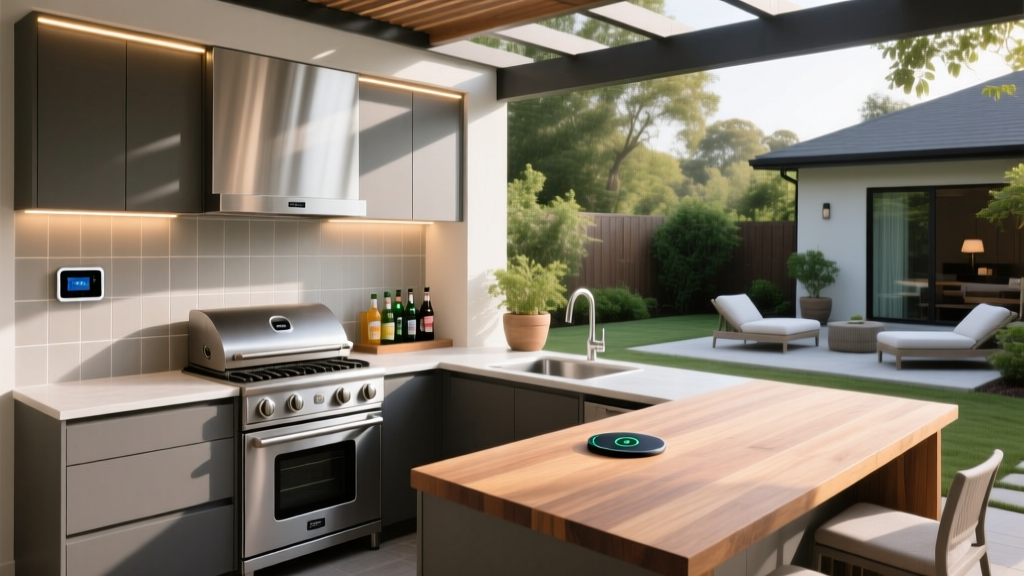
Smart Outdoor Kitchen Design: Layouts, Materials, and Tech
Robert HayesPublished
The Evolution of the Outdoor Kitchen
The modern backyard has evolved far beyond a simple charcoal grill and a folding patio table. Today, homeowners are seeking to bridge the gap between indoor and outdoor living by designing fully equipped, energy-efficient outdoor kitchens. These spaces serve as the culinary heart of the garden, seamlessly integrating garden-to-table cooking, smart home technology, and high-end entertainment zones. Planning an outdoor kitchen requires a unique approach that balances aesthetic design with rigorous weatherproofing, functional layout planning, and the integration of smart irrigation and lighting systems.
Whether you are envisioning a rustic pizza oven patio or a sleek, modern culinary pavilion, successful execution hinges on meticulous planning. This guide will walk you through the essential design principles, material selections, and technological integrations necessary to build a high-performance outdoor kitchen that stands the test of time and the elements.
Strategic Layout Planning: The Outdoor Work Triangle
Just as indoor kitchens rely on the classic work triangle, outdoor kitchens require a strategic zoning approach to ensure efficient movement and safe food handling. The outdoor environment introduces variables like wind, sun exposure, and distance from the main house, making layout planning critical.
Defining the Four Primary Zones
- The Hot Zone: This is the cooking area, featuring your primary grill, smoker, or wood-fired pizza oven. For safety and comfort, position this zone so that prevailing winds blow smoke away from seating and dining areas. Ensure a minimum of 12 inches of non-combustible landing space on either side of the cooking surface.
- The Cold Zone: This area houses your outdoor refrigerator, ice maker, and cold storage. To maximize energy efficiency, place this zone in a shaded area or use a UV-resistant, weather-rated appliance like the True Outdoor Series undercounter refrigerator. Keep the cold zone at least 36 inches away from the hot zone to prevent the compressor from overworking.
- The Wet Zone: Centered around the sink and water filtration system, this zone is essential for prep and cleanup. Plumb this area with both hot and cold water, and ensure it connects to a frost-proof drainage system to prevent winter pipe bursts.
- The Prep and Serving Zone: This requires ample countertop space. Designate at least 36 inches of continuous counter space for food preparation, and consider a 42-inch high bar counter to separate the chef from the guests while allowing for casual dining.
Energy-Efficient Appliances and Smart Tech Integration
Bridging indoor and outdoor living means bringing the convenience of smart home technology into the garden. Integrating energy-efficient appliances and automated systems not only reduces your carbon footprint but also elevates the cooking experience.
Smart Grilling and Cooking
Modern pellet grills and smart smokers have revolutionized outdoor cooking. Models like the Traeger Timberline series feature WiFIRE technology, allowing you to monitor internal meat temperatures and adjust grill heat via your smartphone. This precision cooking reduces fuel waste and ensures perfect results without requiring you to stand over the grill in the heat.
Automated Ambient and Task Lighting
Lighting is crucial for both safety and ambiance. Ditch traditional halogen fixtures in favor of LED smart lighting systems. The Ring Smart Lighting system allows you to link pathway lights, step lights, and overhead task lighting into a single automated hub. You can schedule the lights to dim automatically at 10 PM or trigger motion-sensor step lights to illuminate the path back to the main house, drastically reducing energy consumption.
Smart Irrigation for the Garden-to-Table Element
A true garden-to-table outdoor kitchen should feature an adjacent living wall or raised herb garden. To maintain this without wasting water, integrate a smart irrigation controller like the Rachio 3. This device connects to local weather stations and automatically adjusts watering schedules based on real-time humidity, rainfall, and soil moisture data. Pair the Rachio 3 with a drip irrigation system for your culinary herbs to deliver water directly to the root zones, reducing evaporation by up to 50 percent compared to traditional sprinklers.
Material Selection for Durability and Style
Outdoor materials must withstand extreme temperature fluctuations, UV radiation, and moisture. Selecting the right countertops and cabinetry is where many DIY projects fail. Below is a comprehensive comparison of the top materials used in high-end outdoor kitchen design.
| Material | Durability & Weather Resistance | Heat & UV Resistance | Maintenance Level | Estimated Cost (per sq. ft.) |
|---|---|---|---|---|
| Dekton (Sintered Stone) | Exceptional; non-porous, zero water absorption | Highly heat resistant (up to 1000°F), UV stable | Very Low (no sealing required) | $60 - $120 |
| Granite (Honed) | High; very hard but slightly porous | Good heat resistance, can fade in direct UV | Medium (requires annual sealing) | $40 - $80 |
| 304 Stainless Steel | High; rust-resistant if marine-grade | Excellent heat resistance, shows scratches | Medium (requires polishing to remove water spots) | $75 - $150 |
| Marine-Grade Polymer | Exceptional for cabinetry; impervious to water | UV stabilized, will not warp or crack | Very Low (simple soap and water cleanup) | $100 - $200 (for cabinetry) |
For cabinetry, avoid standard wood or interior MDF, which will swell and rot. Instead, opt for marine-grade polymer (such as King StarBoard) or powder-coated 304 stainless steel. These materials guarantee longevity even in coastal or high-humidity environments.
Integrating the Garden-to-Table Element
To truly embrace the home and garden lifestyle, design your outdoor kitchen to interact with your landscape. Incorporate built-in planter boxes using the same masonry or stone as your kitchen island. Fill these beds with a high-quality, well-draining soil mix—such as a blend of 40% topsoil, 30% compost, and 30% pumice—to ensure your rosemary, thyme, and basil thrive.
Position these herb beds within arm's reach of the prep zone. This not only provides immediate access to fresh ingredients but also creates a lush, fragrant green wall that acts as a natural privacy screen and windbreak for the dining area.
Budgeting and Timeline for Your Outdoor Kitchen
Proper planning requires a realistic understanding of costs and construction timelines. Outdoor kitchens are significant investments that increase property value when executed correctly.
- Basic Setup ($5,000 - $12,000): Includes a high-quality freestanding grill, basic stainless steel prep cabinets, and a simple concrete or paver patio base. Timeline: 2 to 4 weeks.
- Mid-Range Custom ($15,000 - $35,000): Features custom masonry islands, granite or Dekton countertops, built-in plumbing, a premium smoker, and integrated low-voltage LED lighting. Timeline: 6 to 10 weeks.
- Luxury Pavilion ($50,000+): Includes a full pergola or pavilion structure, ceiling fans, outdoor heating, high-end smart appliances, custom stonework, and adjacent smart-irrigated garden walls. Timeline: 3 to 5 months.
Always factor in an additional 15% to your budget for site preparation, gas line trenching, and electrical permits, which are often overlooked in the initial planning phase.
Expert Insights and Authoritative Guidelines
When planning your outdoor kitchen, it is vital to adhere to industry standards for safety and ergonomics. The National Kitchen and Bath Association (NKBA) provides comprehensive guidelines for outdoor cooking spaces. According to the NKBA, proper ventilation is paramount; if you are building a pavilion or placing the grill under a covered structure, you must install a weather-rated, stainless steel ventilation hood with a minimum capture area that extends 30 inches beyond the cooking surface on all sides to prevent grease accumulation and fire hazards.
"Outdoor kitchens require careful consideration of the elements. Maintaining proper temperature zones is critical for food safety. Cold zones must reliably hold perishables below 40°F, while hot holding zones must remain above 140°F to prevent the rapid growth of foodborne bacteria in warm outdoor environments."
— Penn State Extension, Food Safety Guidelines for Outdoor Events and Catering
Furthermore, consult with a licensed electrician to ensure all outdoor receptacles are equipped with Ground Fault Circuit Interrupters (GFCI) and that your gas lines are installed with an accessible, weather-proof emergency shut-off valve located at least 10 feet away from the primary cooking zone.
Conclusion
Designing a smart outdoor kitchen is a transformative project that redefines how you interact with your home and garden. By carefully planning your work triangle, investing in UV-stable and weatherproof materials like Dekton and marine-grade polymers, and integrating smart technology for lighting and irrigation, you create a space that is as functional as it is beautiful. Whether you are hosting a summer barbecue or harvesting fresh herbs for a quiet family dinner, a well-planned outdoor kitchen seamlessly extends your living space into the natural beauty of your backyard.
