Home & Garden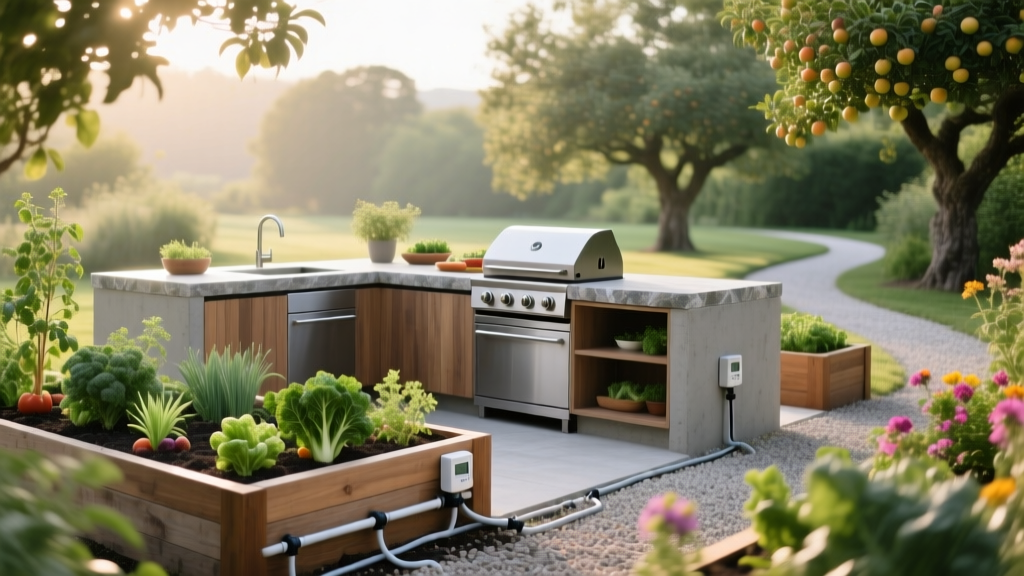
Designing a Smart Outdoor Kitchen and Culinary Garden
Sarah ChenPublished
The Rise of the Seamless Indoor-Outdoor Culinary Space
The modern home landscape is no longer just a place to mow and maintain; it has evolved into a fully functional extension of the indoor living space. For homeowners passionate about the garden-to-table lifestyle, integrating a smart outdoor kitchen with a dedicated culinary garden represents the pinnacle of residential design. This approach bridges the gap between landscape architecture and interior functionality, allowing you to harvest fresh herbs, grill seasonal vegetables, and entertain guests without ever stepping back inside.
According to industry reports from the American Society of Landscape Architects (ASLA), outdoor kitchens and integrated living spaces consistently rank among the top residential design trends. Homeowners are moving beyond simple charcoal grills on a concrete pad, opting instead for weather-resistant cabinetry, smart home integration, and dedicated planting zones that feed directly into their outdoor prep areas. Planning this type of space requires a meticulous approach to zoning, material selection, and smart technology integration.
Mastering the Outdoor Work Triangle
Just as in an indoor kitchen, the foundation of an efficient outdoor cooking space is the 'work triangle'—the spatial relationship between the three primary work zones: the hot zone (grill/cooktop), the cold zone (refrigeration/ice maker), and the wet zone (sink/prep area). When planning your layout, adhere to these critical measurements to ensure a seamless cooking flow:
- Distance: Keep the distance between each point of the triangle between 4 and 9 feet. This prevents the space from feeling cramped while ensuring you aren't walking across the patio with hot pans or dripping ingredients.
- Counter Dimensions: Standard outdoor counter height should be 36 inches, with a depth of 24 to 30 inches to accommodate built-in appliances and provide ample prep space.
- Landing Pads: Always include at least 12 to 15 inches of heat-resistant landing space on either side of the grill or primary cooking surface for resting platters and tools.
When positioning the kitchen structure, pay close attention to the prevailing wind direction and the sun's path. You want to position the grill so that smoke blows away from the dining and indoor entry areas, and consider adding a pergola or shade sail to protect the chef from peak afternoon UV rays.
Integrating the Culinary Garden: Proximity and Flow
A true garden-to-table experience requires the culinary garden to be within arm's reach of the outdoor prep zone. Rather than tucking the vegetable patch away in the back corner of the property, integrate raised cedar or corrugated metal beds directly into the patio hardscaping.
Raised Bed Specifications
For an accessible and highly productive culinary garden, construct raised beds that measure 4 feet wide by 8 feet long. This standard size allows you to reach the center of the bed from either side without stepping on and compacting the soil. According to guidelines from UC Agriculture and Natural Resources, the depth of your raised beds should be dictated by what you intend to grow:
- 6 to 8 inches deep: Ideal for shallow-rooted culinary herbs like thyme, oregano, chives, and lettuce greens.
- 12 to 18 inches deep: Necessary for deep-rooted crops such as heirloom tomatoes, peppers, carrots, and root vegetables.
Position these beds no more than 10 to 15 feet from the outdoor sink and prep counter. This proximity allows you to harvest, rinse, and chop ingredients in a continuous, efficient motion.
Smart Irrigation for the Garden-to-Table Flow
Maintaining a lush culinary garden while managing water usage is a primary concern for eco-conscious homeowners. This is where smart home integration becomes invaluable. By pairing drip irrigation lines with a Wi-Fi-enabled smart controller, you can automate watering schedules based on real-time local weather data, soil moisture levels, and specific plant needs.
The EPA WaterSense program highlights that smart irrigation controllers can save the average home thousands of gallons of water annually by automatically adjusting watering schedules based on evapotranspiration (ET) rates and rainfall. Below is a comparison of top-tier smart controllers ideal for integrating culinary garden zones with broader landscape irrigation.
| Smart Controller Model | Zone Capacity | Key Smart Features | Estimated Cost |
|---|---|---|---|
| Rachio 3 Smart Sprinkler Controller | 8 or 16 Zones | Weather intelligence, freeze skip, rain delay, app integration | $229 - $279 |
| B-hyve XR Smart Indoor/Outdoor | 6 to 16 Zones | Wi-Fi + Bluetooth, weather-based adjustments, EPA WaterSense certified | $119 - $169 |
| Orbit B-hyve Smart Hose Faucet Timer | 1 Zone (Hose/Drip) | Direct hose attachment, app-controlled, perfect for small raised beds | $49 - $69 |
For culinary gardens, run 1/2-inch mainline drip tubing along the perimeter of the raised beds, branching off into 1/4-inch micro-drip emitters placed directly at the base of each plant. This prevents water from splashing onto the leaves of herbs and tomatoes, reducing the risk of fungal diseases while delivering moisture exactly where the roots need it.
Material Selection for Four-Season Durability
Outdoor kitchens face extreme temperature fluctuations, UV exposure, and moisture. Selecting the right materials is non-negotiable for long-term planning.
- Countertops: Avoid porous materials like standard marble or limestone, which can stain from acidic garden tomatoes or wine. Opt for sintered stone (such as Dekton), which is highly resistant to UV fading, heat, and scratches. Stainless steel is another excellent, hygienic option that complements the professional cooking aesthetic.
- Cabinetry: Wood will warp and rot in outdoor conditions. Invest in powder-coated aluminum or marine-grade high-density polyethylene (HDPE) cabinetry. These materials are impervious to moisture and require zero seasonal sealing.
- Appliances: Ensure every built-in grill, refrigerator, and ice maker is constructed from 304-grade stainless steel, which contains higher nickel content to resist rust and corrosion far better than cheaper 430-grade alternatives.
Budgeting Your Outdoor Kitchen and Garden Project
Planning the financial scope of your project early prevents costly mid-build compromises. The cost of an outdoor kitchen varies wildly based on appliance grade and hardscaping complexity. Below is a structured budget breakdown for a mid-to-high-end 12-foot linear outdoor kitchen paired with two 4x8 raised culinary garden beds.
| Project Component | Low-End Estimate | High-End Estimate |
|---|---|---|
| Hardscaping & Foundation (Concrete pad/pavers) | $2,500 | $6,000 |
| Weatherproof Cabinetry & Sintered Stone Counters | $4,000 | $12,000 |
| Appliances (304 SS Grill, Fridge, Sink, Ice Maker) | $3,500 | $10,000+ |
| Culinary Garden (2 Cedar Raised Beds + Soil) | $600 | $1,500 |
| Smart Irrigation & Drip Line Installation | $250 | $800 |
| Smart Lighting & Audio Integration | $500 | $2,500 |
| Total Estimated Project Cost | $11,350 | $32,800+ |
Smart Lighting and Ambiance for Evening Entertaining
A well-planned outdoor kitchen must transition seamlessly from day to night. Lighting should be layered into three distinct categories: task, ambient, and accent.
- Task Lighting: Install weatherproof, dimmable LED puck lights under the upper cabinetry or range hood to illuminate the grill and prep surfaces. This ensures safe knife work and accurate monitoring of food doneness after sunset.
- Ambient Lighting: Use smart outdoor string lights or integrated pergola downlights. Systems like Philips Hue Outdoor or Lutron Caseta allow you to set 'Entertaining' or 'Dining' scenes directly from your smartphone or via voice assistants, adjusting color temperature to a warm 2700K for a cozy atmosphere.
- Accent Lighting: Highlight the culinary garden beds with low-voltage LED path lights or uplighting. This not only adds visual depth to the landscape at night but also allows you to safely navigate to the garden to snip fresh rosemary or mint for evening cocktails.
Final Planning and Permitting Tips
Before breaking ground, consult your local municipal building department regarding gas line trenching, electrical permits for outdoor outlets, and plumbing codes for frost-proof hose bibs and outdoor sinks. Additionally, review your Homeowners Association (HOA) guidelines regarding structure height, pergola placement, and property line setbacks. By meticulously planning the intersection of culinary function, smart technology, and horticultural design, you will create an outdoor living space that nourishes both the body and the soul, adding immense value and joy to your home for years to come.
