Pest Control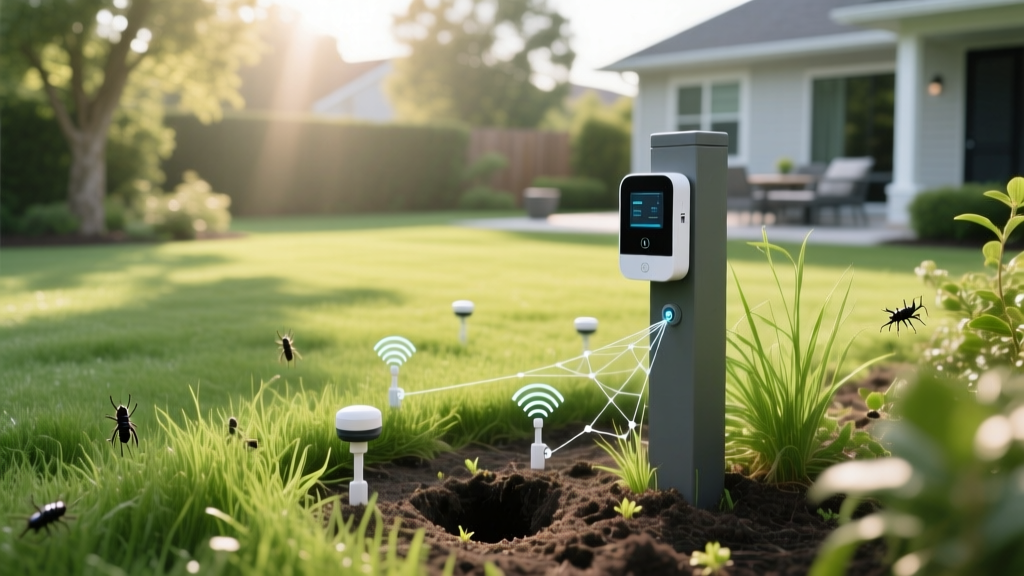
Smart Pest Control: Automating Lawn IPM With Tech
Anna KowalskiPublished
The Integration of Smart Home Technology and Lawn IPM
The modern smart home ecosystem has expanded far beyond indoor thermostats and automated living room lights. Today, homeowners are leveraging the Internet of Things (IoT) and artificial intelligence to manage their outdoor spaces with unprecedented precision. When applied to lawn care, smart home automation becomes a powerful ally in Integrated Pest Management (IPM). IPM is an environmentally sensitive approach to pest control that relies on a combination of common-sense practices, biological controls, and targeted interventions rather than blanket chemical applications.
By automating the monitoring and prevention phases of IPM, you can stop pest infestations before they cause visible damage to your turf and garden beds. According to the Environmental Protection Agency (EPA) IPM Principles, effective pest management requires continuous monitoring, accurate identification, and the establishment of action thresholds. Smart home devices excel at these exact tasks, providing real-time data and automated responses that keep your lawn healthy and resilient.
Smart Irrigation: Starving Fungus and Gnats
Overwatering is the leading cultural cause of lawn pests and diseases. Excess moisture creates the perfect breeding ground for fungus gnats, root-rot nematodes, and destructive turf diseases like Pythium blight and brown patch. Traditional timer-based sprinkler systems often water the lawn regardless of recent rainfall or soil saturation levels, inadvertently inviting these moisture-loving pests.
Upgrading to a smart irrigation controller, such as the Rachio 3 or Orbit B-hyve, allows your system to communicate with local weather stations and hyper-local meteorological data. These devices automatically skip watering schedules when rain is forecasted or when soil moisture levels are already adequate. For an advanced layer of protection, pair the controller with wireless soil moisture sensors placed in the root zone (typically 2 to 4 inches deep for most turfgrasses). By maintaining optimal soil moisture, you naturally starve fungus gnat larvae and prevent fungal spores from germinating. The EPA WaterSense program notes that smart irrigation controllers can save the average home nearly 7,600 gallons of water annually while simultaneously reducing the damp environments that harbor pests.
AI-Powered Cameras for Vertebrate Pest Monitoring
Vertebrate pests such as moles, voles, deer, rabbits, and groundhogs can decimate a lawn and garden overnight. Traditional motion-sensor floodlights often trigger false alarms from swaying tree branches or passing cars, leading to alert fatigue. Modern AI-enabled outdoor cameras, like the Arlo Pro 4 or Ring Stick Up Cam, utilize advanced machine learning algorithms to distinguish between humans, vehicles, and specific animals.
By setting up customized motion zones along your property lines and garden perimeters, you can receive instant smartphone alerts when a specific animal pest is detected. For example, if the camera identifies a deer, it can trigger a connected smart sprinkler valve to emit a sudden, three-second burst of water, humanely deterring the animal without the use of harmful chemicals or physical barriers. This automated deterrence aligns perfectly with IPM strategies that prioritize non-lethal, behavioral modification techniques.
Smart Lighting and Nocturnal Insect Management
Outdoor lighting plays a massive, often overlooked role in pest control. Standard cool-white LED bulbs emit high levels of blue light and ultraviolet (UV) radiation, which act as a beacon for nocturnal insects like moths, June beetles, and carpenter ants. These insects not only become a nuisance on your patio but also lay eggs in your lawn, leading to grub infestations later in the season.
Smart lighting systems, such as Philips Hue Outdoor or LIFX, allow you to automate color temperature shifts based on the time of night. By programming your exterior lights to shift to a warm amber or deep red spectrum (between 2000K and 2200K) after 9:00 PM, you drastically reduce the UV output. This specific wavelength is largely invisible to most insects, effectively rendering your home invisible to them while still providing adequate illumination for safety and security. Furthermore, reducing artificial light pollution helps preserve the natural circadian rhythms of beneficial nocturnal predators, like bats and certain species of spiders, which naturally control mosquito and moth populations.
IoT Soil Sensors for Predictive Grub Control
White grubs (the larval stage of scarab beetles) feed on grass roots, causing massive dead patches in late summer and early fall. Timing is everything when treating for grubs; applying beneficial nematodes or targeted biological controls too early or too late will result in failure. IoT soil temperature probes, such as the Edyn Garden Sensor or specialized agricultural probes adapted for residential use, monitor soil temperatures at the root level in real-time.
Japanese beetle and June beetle eggs typically hatch when soil temperatures consistently hover between 65°F and 70°F at a depth of two inches. By integrating an IoT soil probe with a smart home hub like Samsung SmartThings, you can create an automated alert system. When the soil temperature threshold is met for three consecutive days, the system sends a push notification to your phone, reminding you to apply beneficial nematodes (such as Heterorhabditis bacteriophora) precisely when the grubs are most vulnerable.
Comparison Chart: Smart Home Devices for Lawn IPM
| Device Type | Example Product | Target Pest or Issue | Estimated Cost | Smart Integration |
|---|---|---|---|---|
| Smart Irrigation Controller | Rachio 3 | Fungus Gnats, Turf Fungi | $150 - $230 | Alexa, Google, IFTTT |
| AI Outdoor Camera | Arlo Pro 4 | Deer, Rabbits, Groundhogs | $130 - $200 | Apple HomeKit, IFTTT |
| Smart Color Lighting | Philips Hue Outdoor | June Beetles, Moths | $80 - $150 | Hue App, Alexa, Hue Labs |
| IoT Soil Probe | Edyn Garden Sensor | White Grubs, Root Nematodes | $100 - $130 | Edyn App, IFTTT |
| Smart Trap Sensor | Victor Smart-Kill Rat Trap | Roof Rats, Yard Voles | $60 - $80 | Wi-Fi App Alerts |
Creating Automated IPM Routines with IFTTT
The true power of smart home pest control lies in automation platforms like IFTTT (If This Then That) or native hub routines. By linking disparate devices, you can create a cohesive, automated IPM defense network. Here are three actionable routines you can implement today:
- The Fungus Prevention Routine: IF the local weather API reports more than 1.5 inches of rain in the past 48 hours, THEN pause the smart irrigation controller for 72 hours and send a smartphone reminder to inspect low-lying lawn areas for signs of fungal fruiting bodies.
- The Nocturnal Pest Deterrent: IF an AI outdoor camera detects 'Animal' motion between 10:00 PM and 5:00 AM, THEN trigger the smart patio lights to flash red for 5 seconds and activate a connected smart plug attached to an ultrasonic pest repeller.
- The Beneficial Insect Protector: IF the smart outdoor lighting schedule turns ON at dusk, THEN automatically set the color temperature to 2200K (Amber) to minimize the attraction of beneficial moths and pollinators while deterring destructive beetles.
Monitoring and identifying pests is the cornerstone of IPM. Without accurate data, treatments are merely guesses. Smart sensors remove the guesswork, allowing homeowners to intervene only when ecological thresholds are crossed.
University of California Statewide Integrated Pest Management Program
The ROI of Smart Pest Management
While the initial investment in smart home outdoor devices can range from $300 to $800 depending on the size of your property, the return on investment is substantial. A severe grub infestation or a widespread fungal outbreak can cost upwards of $1,500 to $3,000 in professional lawn renovation, reseeding, and emergency chemical treatments. Furthermore, automated IPM drastically reduces the volume of pesticides and fungicides introduced into your local watershed, promoting a healthier ecosystem for your family, pets, and local wildlife.
By shifting from a reactive, chemical-heavy approach to a proactive, data-driven smart home strategy, you align your lawn care routine with the most advanced, sustainable pest management science available today. Embrace the technology, set your thresholds, and let your smart home do the heavy lifting of keeping your lawn pristine and pest-free.