Pest Control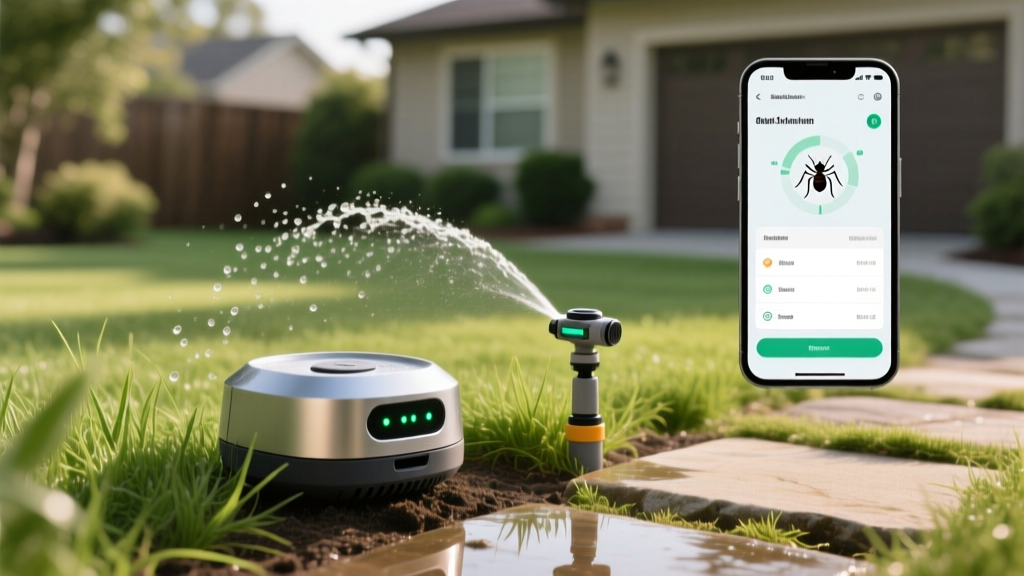
Smart Pest Control: Automating Your Lawn and Garden Defense
James MillerPublished
The Intersection of Smart Homes and Integrated Pest Management
Integrated Pest Management (IPM) is a cornerstone of modern, eco-friendly lawn care. According to the Environmental Protection Agency (EPA), IPM focuses on the long-term prevention of pests or their damage through a combination of techniques such as biological control, habitat manipulation, and the modification of cultural practices. Traditionally, executing a successful IPM strategy required constant manual observation, physical labor, and reactive chemical applications. Today, smart home automation allows you to monitor and manipulate your lawn's environment with unprecedented precision, turning your yard into a self-regulating ecosystem that naturally deters pests before they can establish a foothold.
Smart Irrigation: Eliminating Moisture-Loving Pests
The most common mistake homeowners make is overwatering. Excess moisture creates a prime breeding ground for mosquitoes, fungus gnats, and fungal diseases that weaken grass roots, making your turf highly susceptible to grubs and sod webworms. The EPA WaterSense program highlights that smart irrigation controllers can significantly reduce water waste while maintaining optimal soil health, which is intrinsically linked to pest resistance.
By upgrading to a smart controller like the Rachio 3 or the Orbit B-hyve, you can integrate wireless soil moisture sensors directly into your lawn zones. Instead of watering on a blind, arbitrary timer, the system reads the exact volumetric water content of your soil. If the soil is already saturated, the system automatically skips the cycle, depriving mosquito larvae and fungus gnats of the stagnant, damp environments they need to reproduce. Furthermore, you can set up automated weather skip features that halt irrigation during periods of high humidity or impending rain, keeping the thatch layer dry and uninviting to surface-dwelling pests.
Automated Deterrents: Motion-Activated Defense
When dealing with larger pests like deer, raccoons, rabbits, and stray cats, chemical repellents often wash away after a single rainstorm and require constant reapplication. Smart automation offers a physical, non-toxic alternative that adapts to the environment. The Orbit Yard Enforcer is a prime example of an automated, motion-activated sprinkler. It uses an infrared sensor to detect animal body heat and movement up to 40 feet away, delivering a sudden burst of water that startles the intruder without causing harm. Because it operates on a smart valve system, you can easily integrate it into your existing irrigation manifold and control its sensitivity via a connected timer.
For insect deterrence, smart outdoor lighting systems like Philips Hue or Ring Smart Lighting can be programmed to shift spectrums based on the time of day. Insects are highly attracted to ultraviolet and cool blue light. By automating your outdoor smart bulbs to emit a warm, amber glow (around 2000K to 2200K) during peak evening hours, you can drastically reduce the number of mosquitoes and moths swarming your patio. You can also program lights to turn off completely in the far corners of the yard to avoid drawing pests toward the perimeter of your home.
Connected Traps and Camera Monitoring
Effective pest control requires accurate identification. If your lawn is being torn up at night, you need to know if the culprit is a skunk digging for grubs, a raccoon raiding your compost, or a foraging deer eating your hostas. Wireless trail cameras, such as those from Browning or SpyPoint, can be mounted on fence lines and connected to your smartphone via cellular or Wi-Fi networks. These cameras send instant alerts with photos when motion is detected, allowing you to identify the pest and choose the correct IPM strategy rather than guessing.
For rodent control, the Goodnature A24 is an automated, non-toxic trap that uses a CO2-powered piston to eliminate rats and mice instantly. When paired with the Goodnature Chirp Bluetooth accessory, the trap connects to your smartphone, sending you a notification every time it has been triggered and tracking pest activity levels over time. This data is invaluable for identifying seasonal rodent migrations and placing bait stations or traps more effectively in the future.
Smart Pest Control Device Comparison
| Device Type | Example Product | Target Pest | Estimated Cost | Automation Level |
|---|---|---|---|---|
| Smart Irrigation Controller | Rachio 3 | Mosquitoes, Fungus Gnats | $150 - $230 | High (Weather and Soil Sync) |
| Motion-Activated Sprinkler | Orbit Yard Enforcer | Deer, Raccoons, Cats | $60 - $80 | Medium (Motion Triggered) |
| Smart Lighting System | Philips Hue Outdoor | Moths, Flying Insects | $100 - $250 | High (Scheduled and App Control) |
| Connected Rodent Trap | Goodnature A24 + Chirp | Rats, Mice | $110 - $150 | Medium (Bluetooth Alerts) |
| Cellular Trail Camera | SpyPoint Link-Micro | Nocturnal Foragers | $150 - $200 | High (Real-Time Photo Alerts) |
Creating Automated Pest Control Routines
The true power of smart home technology lies in integration. Using platforms like IFTTT (If This Then That), Amazon Alexa, or Apple HomeKit, you can create automated routines that respond to pest activity and environmental changes in real-time. This proactive approach is the ultimate realization of IPM principles.
Sample Automation Routines for Lawn Pests
- Midnight Garden Defender: IF your trail camera detects motion in the garden bed after 11 PM, THEN flash your smart patio lights three times and activate the smart sprinkler zone for 10 seconds to scare off nocturnal foragers.
- Dusk Mosquito Protocol: IF the time is 7:00 PM and local weather data reports high humidity, THEN turn on your automated botanical misting system for 2 minutes and shift smart outdoor bulbs to a warm amber spectrum (2200K) to repel biting insects.
- Thatch Mite Flush: IF the local temperature exceeds 90F and your soil moisture sensor reads below 15%, THEN trigger a 3-minute micro-sprinkler cycle to deter spider mites and chiggers, which thrive in dry, dusty thatch.
Monitoring and Managing Mosquito Populations
Mosquitoes are not just a nuisance; they are a significant health hazard. The Environmental Protection Agency emphasizes that source reduction is the most effective way to control mosquitoes. Smart home tech can assist in this by automating the circulation of water features. If you have a pond, fountain, or birdbath, connect your water pump to a smart plug and set it to run continuously or on a heavy schedule. Moving water prevents mosquitoes from laying eggs, as their larvae require stagnant surfaces to breathe.
Additionally, automated mosquito misting systems can be programmed via smart controllers to spray botanical insecticides like pyrethrin only at dawn and dusk. This precise timing ensures that you target mosquitoes when they are most active, while beneficial pollinators like bees and butterflies are safely resting in their hives or away from the treatment zone.
Conclusion
Embracing smart home automation for pest control transforms your lawn care routine from a reactive chore into a proactive, data-driven science. By leveraging smart irrigation to eliminate breeding grounds, utilizing motion-activated deterrents for larger wildlife, and integrating connected cameras for precise identification, you can maintain a pristine, healthy landscape. Not only does this automated IPM approach save you time and reduce the need for harsh chemical pesticides, but it also creates a balanced, resilient ecosystem where your lawn can thrive year-round.