Pest Control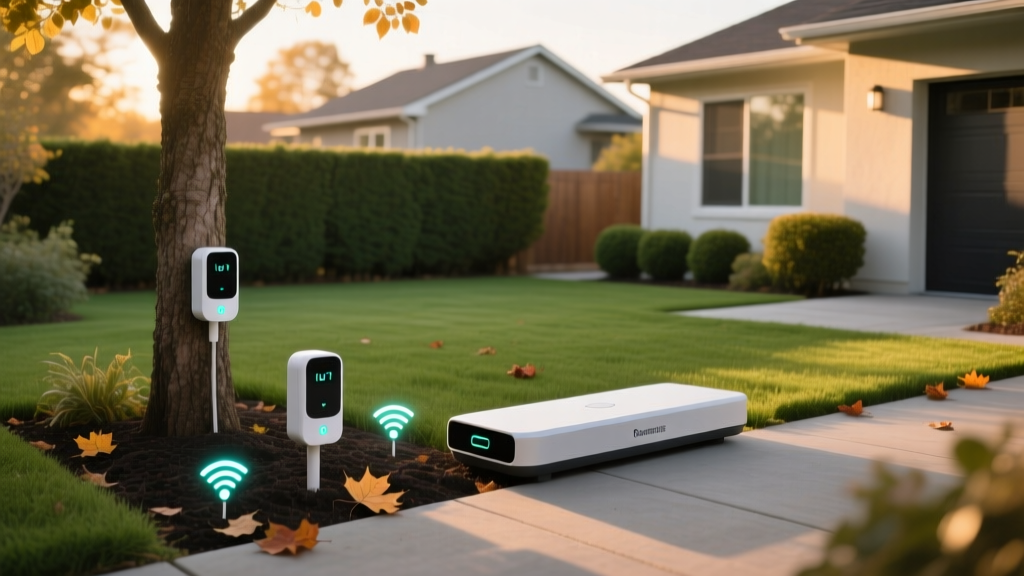
Smart Pest Control: Automating Yard Monitoring & Traps
Anna KowalskiPublished
The Intersection of Smart Home Technology and IPM
Historically, managing lawn and garden pests has been a reactive chore, relying on manual inspections and broad-spectrum chemical applications. However, the modern smart home ecosystem has expanded beyond indoor thermostats and security cameras, venturing directly into the yard. By integrating Internet of Things (IoT) devices with Integrated Pest Management (IPM) strategies, homeowners can now automate pest monitoring, optimize environmental controls, and deploy targeted treatments with unprecedented precision.
According to the Environmental Protection Agency (EPA), IPM focuses on long-term prevention of pests or their damage through a combination of techniques such as biological control, habitat manipulation, and modification of cultural practices. Smart home automation perfectly aligns with these principles by providing real-time data on environmental conditions that attract pests, allowing you to alter your yard's habitat before an infestation takes root.
Wi-Fi Enabled Smart Traps for Rodent Control
Rodents like rats and mice can decimate garden crops, chew through irrigation lines, and create unsanitary conditions in your yard. Traditional snap traps require daily physical checks, which can be tedious and unpleasant. Smart traps have revolutionized this process by sending instant push notifications to your smartphone when a catch is made.
Top Smart Rodent Trap Products
- Victor Smart-Kill Wi-Fi Rat Trap: Priced between $60 and $80, this trap uses high-voltage shock technology to eliminate rodents quickly. It connects to your home's 2.4GHz Wi-Fi network and sends an alert via the Victor Pest app when a kill occurs, when the bait is low, or if the trap is accidentally moved. You can safely place these near compost bins or garden sheds, checking them only when your phone notifies you.
- Goodnature A24 with Chirp Module: For a more heavy-duty, automated approach, the Goodnature A24 is a CO2-powered trap that can strike up to 24 times per cartridge. By adding the Bluetooth-enabled Chirp module (bringing the total cost to around $150), you can monitor strike counts, battery life, and bait levels directly from your smartphone while standing within Bluetooth range of the yard.
By automating the monitoring process, you adhere to the Centers for Disease Control and Prevention (CDC) guidelines for preventing infestations, which emphasize early detection and immediate removal of rodents to prevent disease transmission and property damage.
Automated Irrigation and Soil Sensors to Deter Moisture Pests
Overwatering is one of the leading causes of pest infestations in lawns and gardens. Excess moisture creates the perfect breeding ground for fungus gnats, mosquitoes, and certain types of grubs. Furthermore, damp thatch layers attract chinch bugs and sod webworms. Automating your irrigation system is a proactive, cultural control method that starves these pests of their preferred habitat.
Smart Controllers and Soil Moisture Sensors
Upgrading to a smart sprinkler controller, such as the Rachio 3 or Orbit B-hyve (costing between $150 and $250), allows your irrigation system to adjust automatically based on local weather forecasts. However, to truly master moisture-based pest prevention, you must pair the controller with wireless soil moisture sensors.
- Sensor Placement: Bury wireless soil moisture sensors at a 3-inch depth in the most shaded, poorly draining areas of your lawn. These are the zones where fungus gnats and mosquito larvae are most likely to breed.
- Automation Rules: Configure your smart hub to skip scheduled watering cycles if the soil volumetric water content (VWC) exceeds 30%. This ensures the topsoil dries out sufficiently between waterings, killing off gnat larvae and preventing fungal gnats from completing their life cycle.
- Cost and ROI: A complete smart irrigation setup with two soil sensors will cost approximately $250 to $300. This investment pays for itself within two seasons by reducing water bills and eliminating the need for $50-per-bottle chemical larvicides and fungicides.
Cellular Trail Cameras for Nocturnal Pest Identification
Identifying the exact pest destroying your garden is the first step in any effective IPM strategy, as noted by experts at Penn State Extension. If your hostas are being eaten or your turf is being torn up at night, setting up a smart trail camera provides the visual evidence needed to choose the right deterrent.
Modern cellular trail cameras, like the Spypoint Link-Micro-LTE (approx. $150), do not rely on your home's Wi-Fi, which often fails to reach the back of a large property. Instead, they use cellular networks to transmit 10-second video clips and photos directly to your phone. By identifying whether the culprit is a deer, a raccoon, a groundhog, or a stray cat, you can deploy targeted automated deterrents, such as motion-activated smart sprinklers (like the Orbit Yard Enforcer) or ultrasonic repellents, rather than guessing and wasting money on ineffective treatments.
Smart Pest Control Device Comparison Chart
Below is a structured comparison of leading smart pest control devices to help you choose the right automation tools for your specific yard issues.
| Device Category | Top Product Example | Target Pests | Avg. Cost | Smart Features & Connectivity |
|---|---|---|---|---|
| Smart Rodent Trap | Victor Smart-Kill | Rats, Mice | $70 | Wi-Fi alerts for kills and low bait |
| Automated CO2 Trap | Goodnature A24 + Chirp | Rats, Mice, Stoats | $150 | Bluetooth strike counting and status |
| Smart Irrigation | Rachio 3 Controller | Fungus Gnats, Mosquitoes | $200 | Weather-based API, soil sensor integration |
| Cellular Trail Cam | Spypoint Link-Micro-LTE | Deer, Raccoons, Groundhogs | $150 | Cellular video transmission, AI detection |
| Smart Sprinkler Deterrent | Orbit Yard Enforcer | Cats, Dogs, Deer | $75 | Motion-activated, timed day/night modes |
Building Automated Pest Defense Routines
The true power of smart home technology lies in automation routines. Using platforms like IFTTT (If This Then That), Amazon Alexa, or Apple HomeKit, you can chain different devices together to create an impenetrable, automated pest defense perimeter.
Example Automation Routines
- The Nighttime Perimeter Routine: Set your smart outdoor lighting (e.g., Philips Hue) to turn on at a dim 20% brightness at dusk. If a smart trail camera detects motion in the garden zone, trigger the smart floodlights to 100% brightness and activate a smart plug connected to an ultrasonic pest repeller for 15 minutes.
- The Moisture Control Routine: If your wireless soil sensor detects that the lawn's moisture level has remained above 35% for 48 hours (a prime indicator for grub and fungal activity), trigger an IFTTT applet to send a high-priority notification to your phone recommending an application of beneficial nematodes, while simultaneously locking out the smart sprinkler controller for the next 72 hours.
Maintenance and Best Practices for Outdoor IoT Devices
While smart devices drastically reduce the manual labor of pest control, they do require specific maintenance to ensure they survive harsh outdoor environments and continue to provide accurate data.
- Weatherproofing: Even if a device is rated IP67 for water resistance, ensure that USB charging ports and battery compartments are sealed with dielectric grease to prevent corrosion from morning dew and heavy rain.
- Power Management: For Wi-Fi traps and cameras located far from outdoor outlets, invest in solar panel accessories. A 5-watt solar panel (approx. $30) can keep a cellular trail camera running indefinitely, ensuring you never miss a nocturnal pest event due to a dead battery.
- Sensor Calibration: Soil moisture sensors should be recalibrated at the start of every spring season. Remove the sensor, clean the prongs with a soft brush and isopropyl alcohol, and test it in a cup of dry soil versus saturated soil to ensure the smart controller is reading the VWC percentages accurately.
By embracing smart home automation, you transform your yard from a passive landscape into an active, data-driven ecosystem. This technological approach not only minimizes the use of harsh chemical pesticides but also ensures that your lawn and garden remain healthy, vibrant, and free from destructive pests year-round.