Pest Control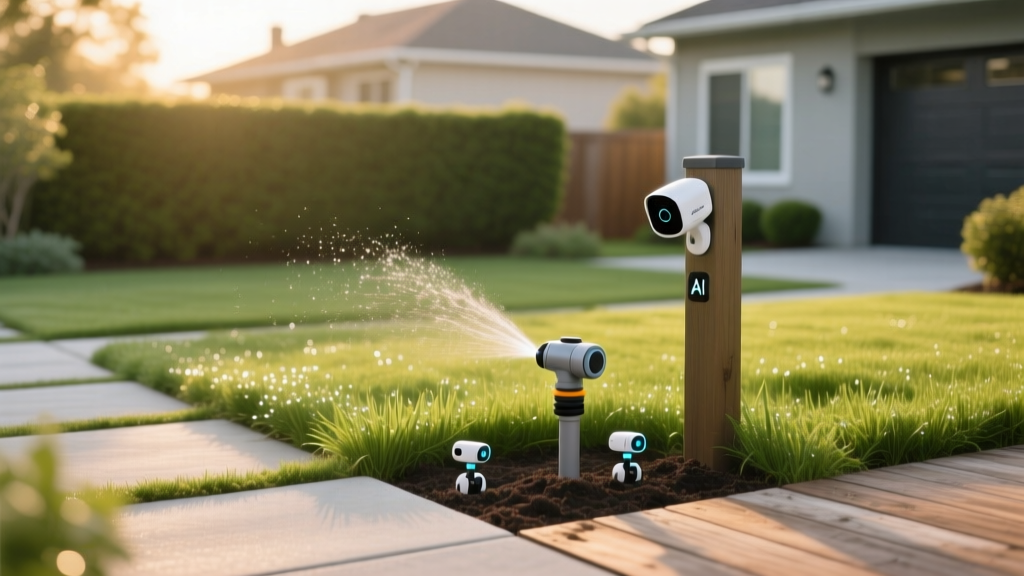
Smart Pest Control: Automate Your Lawn and Garden Defense
Lisa ThompsonPublished
The Evolution of Lawn Care: Smart Home Pest Management
The modern lawn and garden are no longer just patches of grass and beds of flowers; they are complex ecosystems that require vigilant management. Historically, homeowners have relied on reactive pest control—spraying harsh chemicals only after noticing severe damage from grubs, aphids, or rodents. Today, the integration of smart home technology and automation is revolutionizing how we approach Integrated Pest Management (IPM). According to the Environmental Protection Agency (EPA), IPM focuses on long-term prevention of pests or their damage through a combination of techniques such as biological control, habitat manipulation, and modification of cultural practices. By leveraging smart home automation, homeowners can now monitor, detect, and deter pests proactively, reducing the need for broad-spectrum chemical pesticides while maintaining a pristine outdoor environment.
AI-Powered Cameras for Early Pest Detection
One of the most significant advancements in smart garden care is the deployment of artificial intelligence (AI) in outdoor security cameras. Traditional motion-activated cameras often trigger false alerts from swaying branches or passing cars. However, modern AI-equipped cameras, such as the Arlo Pro 4 or the Ring Stick Up Cam, utilize advanced object detection algorithms to differentiate between humans, vehicles, pets, and wildlife. This capability is a game-changer for identifying the culprits behind lawn destruction.
Identifying Nocturnal Lawn Destroyers
If you wake up to find your turf torn apart, the damage is often caused by nocturnal foragers like skunks, raccoons, or armadillos digging for white grubs. By positioning a smart camera with night vision and AI animal detection over the affected zone, you can receive a real-time smartphone alert the moment a specific animal enters your yard. Once identified, you can apply targeted, eco-friendly deterrents or introduce beneficial nematodes (such as Heterorhabditis bacteriophora) to eliminate the grub food source, rather than blindly trapping or poisoning local wildlife.
- Setup Tip: Mount your camera at a 45-degree angle, approximately 6 to 8 feet off the ground, to maximize the AI's ability to capture the full profile of the animal.
- Custom Motion Zones: Use your camera's companion app to draw digital boundaries strictly around your garden beds or lawn, ignoring the street or neighboring properties to save battery life and reduce notification fatigue.
Automated Irrigation: Your First Line of Defense
Water management is intrinsically linked to pest control. Overwatering is one of the leading causes of pest infestations in residential landscapes. Soggy soil creates the perfect breeding ground for mosquitoes, while constantly damp topsoil attracts fungus gnats and root-destroying pests. Furthermore, the University of Florida IFAS Extension highlights that smart irrigation controllers significantly reduce water waste and prevent the excessive moisture that leads to both fungal diseases and pest proliferation.
Smart Sprinkler Controllers and Soil Sensors
Upgrading to a smart sprinkler controller, such as the Rachio 3 or the Orbit B-hyve, allows your irrigation system to communicate with local weather stations. These devices automatically skip watering schedules when rain is in the forecast, preventing the standing water that mosquito larvae require to mature. For an even deeper level of automation, integrate wireless soil moisture sensors into your smart home hub. These sensors measure the exact volumetric water content (VWC) of your soil. If the top two inches of soil remain too wet for more than 48 hours, the system will override scheduled watering, effectively starving fungus gnat populations of their preferred humid breeding grounds.
Proactive moisture management through smart irrigation not only saves the average homeowner up to 30% on their water bill but also creates an inhospitable environment for moisture-loving pests like slugs, snails, and pillbugs.
IoT Traps and Automated Baiting Systems
For pests that breach your perimeter defenses, the Internet of Things (IoT) offers sophisticated trapping solutions. Traditional snap traps and glue boards require daily physical inspections, which can be unpleasant and time-consuming. Smart traps, such as the Victor Smart-Kill Wi-Fi Rat Trap, connect directly to your home network. When a rodent is caught, the trap sends an immediate push notification to your smartphone, allowing for prompt and sanitary disposal. This is particularly useful for protecting outdoor sheds, compost bins, and garden perimeters where rodents seek shelter and food.
In the realm of insect control, automated pheromone dispensers are beginning to enter the consumer market. These devices can be programmed to release synthetic pheromones at specific times of the day to disrupt the mating cycles of pests like the Japanese Beetle or the Codling Moth, effectively reducing the next generation's population without harming beneficial pollinators like bees and butterflies.
Comparison Chart: Traditional vs. Smart Pest Control
To understand the true value of automating your pest management strategy, it is helpful to compare traditional methods with smart home integrations. The following table outlines the differences in cost, time investment, efficacy, and environmental impact.
| Feature | Traditional Pest Control | Smart Home Automation |
|---|---|---|
| Detection Method | Visual inspection after damage occurs | 24/7 AI monitoring and soil sensors |
| Response Time | Days to weeks (reactive) | Instant alerts and automated responses |
| Water Management | Manual timers, high risk of overwatering | Weather-adaptive, prevents pest breeding |
| Chemical Usage | Broad-spectrum, calendar-based spraying | Targeted, IPM-aligned, minimal chemicals |
| Upfront Cost | Low ($20 - $50 for basic chemicals) | Medium to High ($150 - $400 for tech) |
| Long-Term ROI | Low (recurring chemical costs) | High (water savings, targeted treatments) |
Smart Lighting and Nocturnal Pest Deterrence
Lighting plays a crucial, often overlooked role in garden pest management. Many destructive insects, including certain species of moths and beetles, are phototactic, meaning they are attracted to light. Standard outdoor floodlights can inadvertently draw these pests directly to your prized plants. By integrating smart outdoor lighting systems, such as Philips Hue Call bollards or Ring Pathway lights, you can automate your lighting schedules and spectrums to deter pests.
Research supported by the United States Department of Agriculture (USDA) regarding precision agriculture and environmental impacts suggests that light pollution disrupts local ecosystems and pest-predator balances. By using smart bulbs that can shift to a warm, amber, or red spectrum (which is less attractive to most insects) after 10:00 PM, you can illuminate your pathways for safety while drastically reducing the congregation of night-flying pests around your garden beds. Furthermore, you can program your smart lights to strobe or flash brightly if your AI camera detects a larger nuisance animal, like a deer or a stray dog, startling them away from your landscaping.
Integrating Pest Control into Your Smart Home Hub
The true power of smart pest control lies in automation routines that connect disparate devices. Using platforms like IFTTT (If This Then That), Apple HomeKit, or Samsung SmartThings, you can create complex, automated defense mechanisms. Consider the following actionable automation routines you can set up today:
- The Aphid Wash-Down: Connect a smart weather station to your irrigation system. If the station detects a prolonged period of high heat and drought (conditions that trigger aphid and spider mite outbreaks), the system automatically triggers a 5-minute micro-sprinkler burst in your garden beds to increase humidity and physically wash the pests off the foliage.
- The Rodent Alert Protocol: Link your Victor Smart-Kill traps to your smart home hub. If a trap is triggered in the garden shed, the system can automatically turn on the shed's smart lights and send a high-priority alert to your phone, ensuring the pest is dealt with before it escapes or attracts scavengers.
- The Mosquito Midnight Cycle: Program your smart fountain or pond pump to increase water circulation during the twilight hours. Mosquitoes require stagnant water to lay eggs; automating water movement during their peak feeding and breeding times disrupts their life cycle effortlessly.
Conclusion
Embracing smart home automation for lawn and garden pest control represents a shift from chaotic, chemical-heavy reactions to a serene, data-driven strategy. By utilizing AI cameras for precise identification, smart irrigation controllers to eliminate breeding grounds, and IoT sensors for immediate threat detection, homeowners can cultivate healthier, more resilient landscapes. While the initial investment in smart technology may be higher than purchasing a bottle of generic pesticide, the long-term benefits—ranging from drastic water conservation to the preservation of beneficial local ecology—make it an indispensable tool for the modern, eco-conscious gardener. Upgrade your outdoor space today, and let your smart home do the heavy lifting in the eternal battle against lawn pests.