Home & Garden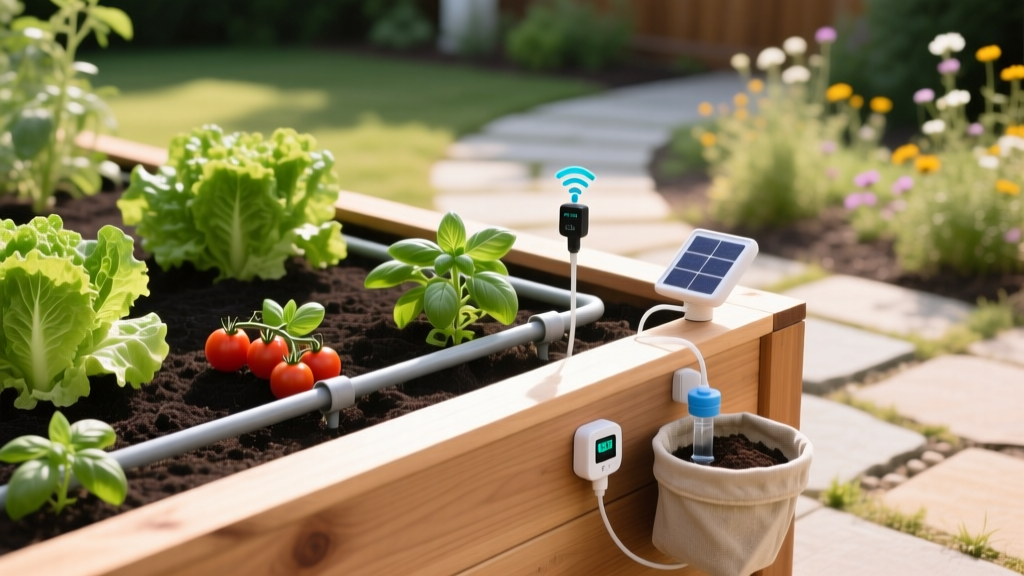
Budgeting for a Smart Garden-to-Table Raised Bed Setup
David ParkPublished
The Garden-to-Table Dream: Avoiding the $100 Tomato
The garden-to-table movement has transformed how homeowners view their outdoor spaces. What was once a simple patch of grass is now a productive, edible landscape that bridges the gap between outdoor living and the kitchen counter. However, the enthusiasm of starting a home vegetable garden often collides with the harsh reality of upfront costs. Without a strategic budget, novice gardeners frequently fall victim to the infamous '$100 tomato'—a scenario where the cost of materials, soil, and equipment vastly outweighs the financial value of the harvest.
To build a sustainable, high-yield raised bed garden that integrates seamlessly with modern smart home landscaping, you need a meticulous cost and budgeting guide. This article breaks down the exact costs of building a 4x8-foot smart raised bed, from hardscaping materials and premium soil blends to automated drip irrigation, ensuring your garden is both economically and agriculturally efficient.
Phase 1: Hardscaping and Raised Bed Materials
The foundation of any garden-to-table setup is the raised bed itself. The standard 4x8-foot footprint is ideal because it allows you to reach the center of the bed from either side without stepping on and compacting the soil. When budgeting for materials, you must weigh initial costs against longevity and safety (avoiding chemically treated woods that can leach into edible soil).
| Material Type | Estimated Cost (4x8 Bed) | Lifespan | Pros & Cons |
|---|---|---|---|
| Untreated Cedar | $120 - $180 | 10-15 Years | Naturally rot-resistant; beautiful aesthetic. Higher upfront cost. |
| Galvanized Steel | $80 - $130 | 15-20 Years | Modern look, highly durable. Can heat soil in extreme climates. |
| Recycled Composite | $220 - $300 | 25+ Years | Zero maintenance, eco-friendly. Most expensive initial investment. |
| Douglas Fir (Untreated) | $60 - $90 | 4-7 Years | Budget-friendly. Requires replacement or lining sooner. |
Budgeting Tip: For a balance of cost and longevity, galvanized steel or untreated cedar are the top choices. Do not forget to budget an additional $25 for stainless steel exterior screws and heavy-duty corner brackets to prevent the beds from bowing under the weight of wet soil.
Phase 2: The Soil Recipe (Where Most Budgets Fail)
Soil is the single most expensive and critical component of your raised bed. A standard 4x8-foot bed that is 10 inches deep holds approximately 27 cubic feet of soil. Filling this volume with cheap topsoil from a big-box store will result in poor drainage, compaction, and stunted root growth.
Instead, budget for a variation of the renowned 'Mel\'s Mix' (developed by Square Foot Gardening pioneer Mel Bartholomew), which consists of equal parts coarse vermiculite, peat moss (or coconut coir for a more sustainable option), and blended organic compost.
According to the University of Maryland Extension, raised bed soils must be lightweight and well-draining to prevent waterlogging, which causes root rot in high-value crops like tomatoes and peppers. They recommend amending raised beds annually with 2 to 3 inches of organic compost to replenish nutrients depleted by heavy-feeding vegetables.
Cost Breakdown: Bagged vs. Bulk Soil Delivery
- The Bagged Route (High Labor, Higher Cost): Buying 27 cubic feet in 1.5 cu. ft. bags requires 18 bags. At $6 to $8 per bag for quality organic mixes, you are looking at $108 to $144, plus the physical toll of moving and opening 18 heavy bags.
- The Bulk Route (Low Labor, Lower Cost): Ordering a custom 'raised bed mix' from a local landscape supply yard costs roughly $35 to $50 per cubic yard. One cubic yard equals 27 cubic feet. With a $50 delivery fee, your total soil cost drops to $85 to $100.
Verdict: Always budget for bulk delivery if you are filling more than one raised bed. It saves time, money, and reduces plastic waste.
Phase 3: Smart Drip Irrigation Integration
Hand-watering a garden-to-table oasis is a romantic notion that quickly fades in the heat of July. Overhead watering also promotes fungal diseases like powdery mildew on squash and tomatoes. Integrating a smart drip irrigation system is a non-negotiable budget item for the modern, energy-efficient landscape.
The Smart Controller
Upgrading from a standard mechanical timer to an EPA WaterSense-certified smart controller allows your irrigation to adjust automatically based on local weather data, soil moisture, and evapotranspiration rates. The Rachio 3e Smart Sprinkler Controller (approx. $150) or the Orbit B-hyve Smart Hose Faucet Timer (approx. $60 for a simpler hose-based setup) are excellent investments. By preventing overwatering, these devices typically pay for themselves in water savings within two seasons.
Drip Lines and Emitters
For a 4x8 bed, you will need approximately 60 feet of 1/4-inch drip tubing or inline drip emitter hose (like Netafim Techline CV, which features built-in check valves to prevent siphoning). Budget roughly $45 to $60 for the tubing, connectors, and a pressure regulator. Drip irrigation delivers water directly to the root zone, reducing water usage by up to 50% compared to traditional sprinklers.
Phase 4: Seeds, Seedlings, and Vertical Trellising
To maximize the ROI of your raised bed, you must grow vertically and start plants strategically.
- Seeds vs. Starts: Budget $30 for high-quality, organic heirloom seeds (tomatoes, peppers, cucumbers) and a $40 indoor LED grow light setup to start them 6-8 weeks before the last frost. For crops like radishes, carrots, and beans, direct sow seeds ($5) to save money.
- Trellising: Avoid expensive, pre-fabricated wooden trellises. Instead, budget $25 for a 16-foot galvanized cattle panel and two 8-foot T-posts. When bent into an arch or secured vertically, a cattle panel provides an indestructible, rust-proof trellis capable of supporting over 100 lbs of vining tomatoes, cucumbers, and pole beans.
Hidden Costs and Maintenance Budgeting
A true cost guide must account for the ongoing expenses of maintaining a productive garden. Many homeowners budget for Year 1 and are caught off guard by Year 2 requirements.
- Annual Soil Amendments ($30 - $50): As organic matter breaks down, the soil level in your bed will drop by 2 to 3 inches each year. Budget for a few bags of premium worm castings and organic compost every spring.
- Fertilizers and Pest Control ($25 - $40): Heavy feeders require supplemental nutrition. Budget for organic granular fertilizer (like Espoma Garden-tone) and neem oil or insecticidal soap for organic pest management.
- Tool Replacement ($20): Cheap hand trowels and pruners rust and break. Invest once in high-carbon steel tools (e.g., Felco pruners, $55) and budget zero for replacements in subsequent years.
Total Budget Summary and ROI
Below is a comprehensive summary of what it costs to build one 4x8-foot smart raised bed, categorized by budget tier.
| Category | Budget Tier (Douglas Fir / Bagged Soil) | Premium Tier (Cedar / Bulk Soil / Smart Drip) |
|---|---|---|
| Bed Materials & Hardware | $85 | $175 |
| Soil & Amendments | $130 | $100 |
| Irrigation System | $25 (Manual Soaker Hose) | $110 (Smart Timer + Drip) |
| Seeds, Starts & Trellis | $40 | $75 |
| Total Year 1 Cost | $280 | $460 |
Final Thoughts on Garden Budgeting
While the Premium Tier requires a $460 upfront investment, the return on investment is substantial. A well-managed 4x8 raised bed can yield over 150 pounds of organic produce annually. At an average grocery store price of $3 to $5 per pound for organic, heirloom vegetables, your garden can generate $450 to $750 worth of food in a single season, effectively paying for itself before the first autumn frost. By prioritizing bulk soil, durable hardscaping, and smart water management, your garden-to-table setup becomes a financially sound, deeply rewarding extension of your home.
