Home & Garden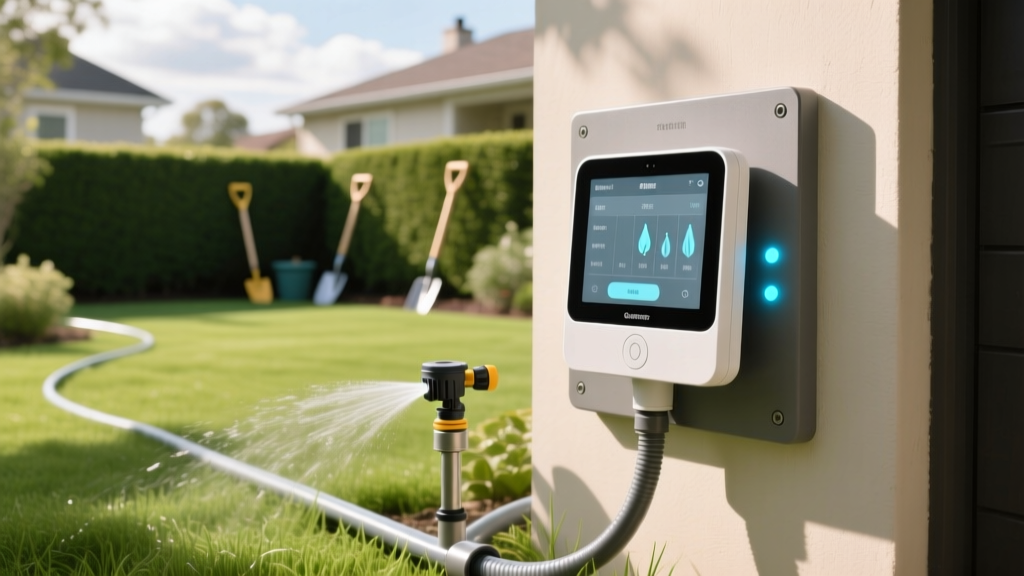
Expert Tips: Smart Sprinkler Controller Installation
Mike RodriguezPublished
Upgrading your home's irrigation system from a standard clock timer to a smart sprinkler controller is one of the most impactful energy-efficient landscaping decisions you can make. Bridging the gap between indoor smart home ecosystems and outdoor lawn care, modern irrigation controllers utilize real-time weather data, soil moisture levels, and seasonal adjustments to deliver precise hydration exactly when your landscape needs it. Whether you are maintaining a pristine turf lawn, cultivating a garden-to-table vegetable patch, or managing water-conscious xeriscaping, expert setup and configuration are the keys to maximizing efficiency.
According to the United States Environmental Protection Agency (EPA) WaterSense program, a typical single-family home can save nearly 7,600 gallons of water annually by replacing a standard clock timer with a WaterSense-labeled smart irrigation controller. Nationwide, if all homes with in-ground sprinkler systems upgraded to smart controllers, the water savings would exceed 120 billion gallons per year.
— EPA WaterSense, Irrigation Controllers Fact Sheet
Why Upgrade to a Smart Irrigation Ecosystem?
Traditional timers operate on rigid, pre-set schedules, watering your lawn whether it is pouring rain or experiencing a drought. Smart controllers, conversely, integrate directly with your home Wi-Fi network and pull hyper-local meteorological data. This ensures your landscape receives the exact amount of evapotranspiration (ET) replacement required. Furthermore, integrating your irrigation system with broader smart home platforms like Apple HomeKit, Amazon Alexa, or Google Home allows for seamless automation, such as pausing sprinkler zones when smart outdoor lighting systems detect motion during an evening garden party.
Expert Best Practices for Installation and Setup
1. Conduct a Comprehensive Zone Audit
Before wiring a new smart controller, audit your existing sprinkler zones. A common mistake homeowners make is mixing different types of sprinkler heads on the same zone. Spray heads typically apply water at a rate of 1.5 inches per hour, while rotary heads apply water at roughly 0.4 inches per hour. If these are grouped together, the spray head areas will flood and runoff before the rotary areas receive adequate moisture. Group heads by matched precipitation rates and assign them to dedicated zones on your new controller.
2. Select the Right Hardware for Your Landscape
Not all smart controllers are created equal. When selecting a unit, consider the size of your property, the complexity of your zones, and your desired level of smart home integration. Below is a comparison chart of the top industry-standard smart controllers to help you choose the right fit.
| Controller Model | Best Application | Weather Intelligence | Flow Sensor Support | Avg. Cost |
|---|---|---|---|---|
| Rachio 3 (8 or 16 Zone) | Overall Smart Features | Hyper-local weather & freeze skip | Yes (Wireless add-on) | $229 |
| Orbit B-hyve XR | Large Properties (16+ Zones) | WeatherSense technology | Yes (Wired) | $169 |
| Hunter Hydrawise Pro-HC | Commercial & High-End Residential | Predictive ET adjustments | Yes (Built-in terminal) | $285 |
| Wyze Sprinkler Controller | Budget-Friendly Smart Setup | Basic weather skip | No | $119 |
3. Program Based on Soil Type and Sun Exposure
One of the most critical expert tips for smart sprinkler setup is configuring your soil type and sun exposure per zone. Clay soils have a very slow infiltration rate, typically absorbing only 0.2 inches of water per hour. If your smart controller schedules a 30-minute continuous run time, the majority of that water will result in surface runoff, wasting money and eroding topsoil.
To combat this, utilize the 'Cycle and Soak' method. The University of Florida IFAS Extension highly recommends cycle and soak scheduling for areas with compacted or clay-heavy soils. By programming your smart controller to split a 30-minute run time into three 10-minute cycles with 45-minute soak breaks in between, you allow the soil matrix to fully absorb the moisture, driving it deeper into the root zone and promoting drought-resistant turf.
Integrating Flow Sensors and Master Valves
For the ultimate in landscape protection and water conservation, pair your smart controller with a master valve and a wireless flow sensor. A master valve acts as a primary shut-off, ensuring that water only enters the irrigation pipes when a zone is actively calling for it. This prevents slow leaks from weeping sprinkler heads from eroding your hardscaping or wasting thousands of gallons a month.
Adding a flow sensor (such as the Rachio Wireless Flow Meter, which retails for approximately $60) allows the controller to monitor the exact gallons per minute (GPM) flowing through your system. If a pipe breaks or a sprinkler head is sheared off by a lawnmower, the smart controller will instantly detect the abnormal flow spike, automatically shut off the master valve, and send a push notification to your smartphone. This proactive leak detection can save homeowners hundreds of dollars in water damage and utility overages.
Transitioning Garden Beds to Smart Drip Irrigation
Bridging indoor and outdoor living often involves cultivating garden-to-table herbs and vegetables. Overhead spraying is highly inefficient for garden beds, as it wets the foliage, promoting fungal diseases like powdery mildew, and loses significant water to wind drift and evaporation. Expert landscapers recommend converting all garden beds and shrub borders to subsurface drip irrigation.
Using 1/2-inch Netafim drip tubing with inline emitters spaced 12 inches apart delivers water directly to the root zone at a rate of 0.9 GPH per emitter. When connected to a dedicated zone on your smart controller, you can schedule drip irrigation for early morning hours, ensuring your tomatoes, peppers, and ornamental shrubs receive deep, targeted hydration without wasting a single drop. Remember to install a pressure regulator (reducing standard 60 PSI household pressure to 25 PSI) and a 200-mesh filter at the head of the drip zone to prevent emitter clogging.
Seasonal Maintenance and Smart Adjustments
While smart controllers handle daily adjustments automatically, seasonal human oversight is still required to maintain peak efficiency.
- Spring Startup: Before enabling your smart schedule, manually run each zone for two minutes. Check for sunken heads, misaligned nozzles spraying onto driveways, and damaged drip lines. Replace any clogged nozzles with high-efficiency MP Rotators, which apply water at a slower 0.4 inches per hour, drastically reducing runoff.
- Summer Monitoring: Review your controller's monthly water usage report via the companion app. If you notice a sudden spike in usage, inspect your flow sensor data and check for hidden underground leaks.
- Winterization: In freezing climates, smart controllers cannot prevent ice damage. You must hire a professional to blow out the irrigation lines with an air compressor (using no more than 80 PSI for PVC pipes) before the first hard freeze. Set your smart controller to 'Standby' or 'Off' mode, but leave it plugged in so it can receive over-the-air firmware updates during the off-season.
Conclusion
Investing in a smart sprinkler controller is a cornerstone of modern, energy-efficient landscaping. By auditing your zones, selecting the right hardware, programming for specific soil types, and integrating advanced leak-detection sensors, you transform a dumb water-wasting system into an intelligent, conserving ecosystem. Not only will you reduce your monthly utility bills and protect your home's foundation from overwatering, but you will also cultivate a healthier, more resilient lawn and garden that seamlessly complements your outdoor living spaces.
