Home & Garden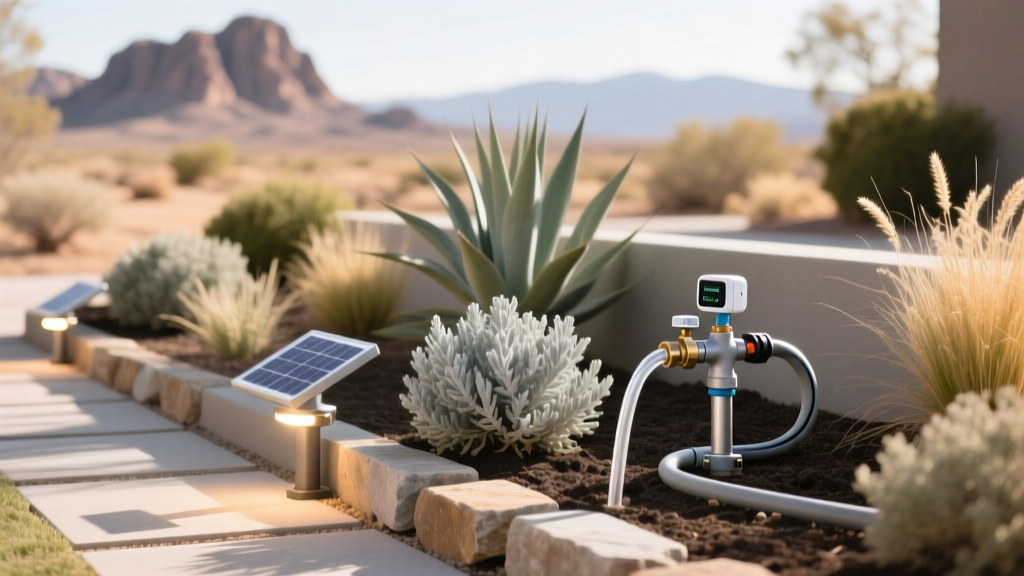
Plan a Smart Xeriscape: Drip Irrigation and Solar Lighting
Mike RodriguezPublished
The Evolution of the Modern Xeriscape
When homeowners hear the word 'xeriscape,' they often picture barren yards filled with gravel and a single, lonely cactus. However, modern xeriscaping is a lush, vibrant, and highly engineered approach to landscaping that bridges the gap between ecological responsibility and stunning outdoor design. By integrating smart home technology, specifically automated drip irrigation and solar-powered LED lighting, you can create an outdoor living space that is both energy-efficient and visually captivating from your indoor windows.
When designing your outdoor space, always consider the 'indoor-outdoor' sightlines. The way your xeriscape looks from your kitchen window or living room sofa is just as important as how it feels when you are sitting on the patio. Strategic placement of textured plants and warm lighting creates a living painting that enhances your interior ambiance.
'A well-designed xeriscape is not a barren desert; it is a highly engineered, water-wise ecosystem that thrives in harmony with its local microclimate.'
Planning a smart xeriscape requires a shift from traditional 'spray and pray' watering methods to precision hydration and intentional illumination. This guide will walk you through the exact design phases, product specifications, and layout strategies needed to transform a standard 500-square-foot garden bed into a smart, water-wise oasis.
Phase 1: Hydrozoning and Plant Selection
The foundation of any successful xeriscape is hydrozoning—the practice of grouping plants with similar water and sunlight requirements together. This prevents the common mistake of overwatering drought-tolerant succulents just to keep a nearby hydrangea alive. Begin by mapping your garden bed and dividing it into distinct hydrozones:
- Zone 1 (Oasis Zone): Nearest to your patio or indoor viewing areas. This zone can accommodate higher-water plants that benefit from localized shade and runoff.
- Zone 2 (Transition Zone): The middle ground. Utilize low-water native shrubs and ornamental grasses that require occasional deep watering.
- Zone 3 (Arid Zone): The perimeter and hottest areas of the yard. Reserve this for highly drought-tolerant species like Agave, Sedum, and Yarrow.
Before planting, soil amendment is critical. Xeriscape plants typically prefer well-draining soil. If you have heavy clay, incorporate expanded shale or pumice at a ratio of 30% by volume to improve drainage and prevent root rot, a common killer of drought-tolerant plants in residential landscapes.
To accurately determine the water needs of your chosen species, consult the Water Use Classification of Landscape Species (WUCOLS) database managed by the University of California Agriculture and Natural Resources. This authoritative tool categorizes thousands of plants by their regional water requirements, ensuring your design is tailored to your specific microclimate.
Phase 2: Designing the Smart Drip Irrigation Layout
Once your hydrozones are established, it is time to design the irrigation system. Drip irrigation delivers water directly to the root zone, minimizing evaporation and runoff. According to the EPA WaterSense program, drip irrigation systems can be up to 90% efficient, compared to traditional spray sprinklers which operate at roughly 65% efficiency due to wind drift and evaporation.
Comparing Irrigation Methods
| Irrigation Type | Efficiency Rating | Best Use Case | Estimated Cost (per 100 sq ft) |
|---|---|---|---|
| Traditional Spray | 60% - 65% | Large, uniform turfgrass lawns | $45 - $60 |
| Surface Drip Lines | 85% - 90% | Flower beds, shrubs, and groundcover | $70 - $90 |
| Subsurface Drip | 90% - 95% | Deep-rooted trees and permanent arid zones | $110 - $150 |
Material Specifications and Layout
For a standard garden bed, utilize 1/2-inch polyethylene tubing as your mainline, snaking it through the beds in a serpentine pattern. For Zone 1 and Zone 2 plants, attach adjustable drip emitters (rated at 1 to 2 Gallons Per Hour, or GPH) directly to the base of each plant. For Zone 3 arid plants, use inline drip tubing, such as Netafim Techline CV, which features built-in emitters spaced 12 inches apart, delivering 0.9 GPH.
Drip systems require lower water pressure than traditional sprinklers—typically between 15 and 30 PSI. If your home's water pressure exceeds 40 PSI, you must install a pressure regulator at the manifold. Failing to do so will cause the drip emitters to blow off the tubing and flood your garden beds, completely defeating the purpose of water conservation.
To make the system 'smart,' connect your mainline to a Wi-Fi-enabled controller like the Rachio 3 Smart Sprinkler Controller. This device integrates with local weather stations and soil moisture sensors to automatically skip watering cycles when rain is in the forecast, reducing outdoor water use by up to 50%.
Phase 3: Integrating Solar and Smart Pathway Lighting
A well-designed xeriscape should be enjoyed long after the sun goes down. Lighting not only enhances security but also highlights the architectural textures of agaves and the swaying movements of ornamental grasses. When planning your lighting layout, prioritize energy efficiency and light pollution reduction.
The U.S. Department of Energy strongly recommends utilizing solar-powered LEDs and smart timers for outdoor illumination to reduce residential energy consumption. Modern solar lights no longer rely on dim, bluish bulbs; high-quality models now feature monocrystalline solar panels and warm LED diodes.
Lighting Design Rules for Xeriscapes
- Color Temperature: Stick to 2700K to 3000K (warm white). Cooler temperatures (4000K+) create a harsh, clinical glare that washes out the natural earthy tones of a xeriscape.
- Lumen Output: Use low-lumen fixtures (100-200 lumens) for pathway edging to guide the eye. Reserve higher-lumen fixtures (300-500 lumens) for uplighting focal point trees or large boulders.
- Placement: Avoid placing solar panels in the shadow of large desert shrubs. Mount remote solar panels on nearby fences or roofs if the garden bed is heavily shaded by a patio cover.
Furthermore, responsible outdoor lighting design must consider local wildlife. The International Dark-Sky Association recommends using fully shielded fixtures that direct light downward rather than into the sky or neighboring properties. This minimizes disruption to nocturnal pollinators and local bird migration patterns, aligning your garden's design with broader ecological stewardship.
Consider integrating smart solar pathlights, such as the Ring Solar Pathlight. These fixtures connect to your home's Wi-Fi bridge, allowing you to adjust brightness, set motion-activated security alerts, and schedule on/off times directly from your smartphone, blending off-grid energy generation with smart home convenience.
Cost Breakdown and ROI for a 500 Sq Ft Conversion
Transitioning to a smart xeriscape requires an upfront investment, but the return on investment (ROI) is realized through drastically reduced water bills, eliminated mowing costs, and minimal seasonal maintenance. Below is an estimated cost breakdown for converting a 500-square-foot traditional turf area into a smart, irrigated, and illuminated xeriscape.
| Project Component | Materials & Products | Estimated Cost |
|---|---|---|
| Turf Removal & Soil Prep | Cardboard sheet mulching, 3 cubic yards of compost | $150 - $250 |
| Smart Irrigation System | Rachio 3 Controller, 1/2-inch poly tubing, Netafim drip lines | $350 - $450 |
| Plants & Hardscape | 15 native shrubs, 5 succulents, 2 tons of decomposed granite | $600 - $900 |
| Smart Solar Lighting | 6x Smart Solar Pathlights, 2x Solar Spotlights | $250 - $400 |
| Total Estimated Cost | $1,350 - $2,000 |
Depending on your local municipality, you may also qualify for turf-replacement rebates. Many water districts offer up to $2.00 per square foot for removing water-intensive grass and installing water-efficient drip irrigation, which can potentially cover the entire cost of the irrigation and plant materials.
Seasonal Maintenance and System Adjustments
While a smart xeriscape is designed to be low-maintenance, it is not entirely 'no-maintenance.' To keep your outdoor living space thriving, implement a simple seasonal checklist:
- Spring: Flush the drip irrigation lines by opening the end caps to clear out mineral deposits and debris. Prune dead foliage from ornamental grasses before the spring growth spurt.
- Summer: Monitor the smart controller's weather skip feature. Ensure solar panels are free of dust and pollen, which can reduce charging efficiency by up to 20%.
- Fall: Adjust the irrigation schedule to account for cooler temperatures and shorter days. Top-dress the soil with a fresh layer of organic mulch to insulate roots against impending frost.
- Winter: If you experience hard freezes, winterize the drip system by blowing out the lines with an air compressor to prevent the poly tubing and emitters from cracking.
Final Thoughts on Outdoor Design
Bridging the gap between indoor comfort and outdoor sustainability is the hallmark of modern landscape design. By meticulously planning your hydrozones, investing in precision drip irrigation, and illuminating your garden with smart solar technology, you create a dynamic, living canvas. This approach not only conserves vital resources but also transforms your yard into an effortless, year-round extension of your home's living space.
