Lawn Care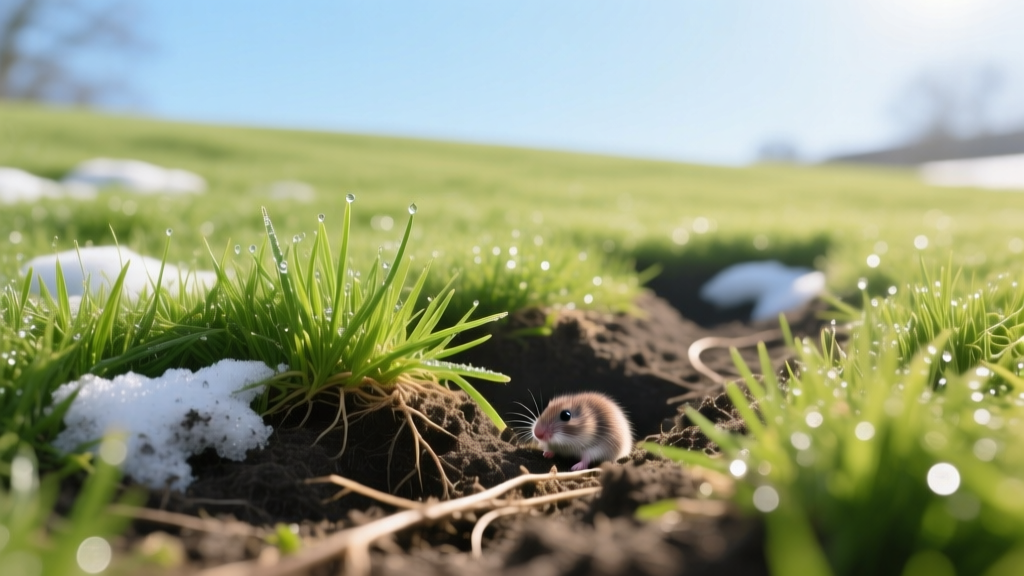
Snow Mold & Wildlife: 2026 Spring Lawn Recovery Guide
Lisa ThompsonPublished
The Hidden Link Between Winter Wildlife and Snow Mold
When the snow finally melts in the spring of 2026, many homeowners step outside to discover unsightly patches of matted, gray, or pinkish grass. While the immediate culprit is often identified as snow mold (either Typhula blight or Microdochium patch), the underlying cause is frequently tied to winter yard animal activity. Understanding the intersection of wildlife management and fungal lawn diseases is critical for a successful spring recovery. As a senior lawn care specialist, I often see homeowners misdiagnose the damage, applying harsh chemical fungicides that harm local ecosystems while completely ignoring the vole tunnels and rodent runways that created the perfect breeding ground for the fungus in the first place.
To achieve a pristine lawn in 2026, we must look beneath the surface. The 'subnivean zone'—the micro-ecosystem between the snowpack and the soil surface—is a bustling highway for field mice, voles, and shrews. Their winter activities directly impact your turf's susceptibility to fungal pathogens, and your spring recovery plan must address both the biological disease and the wildlife behavior that enabled it.
The Subnivean Zone: Where Wildlife Meets Fungus
Voles and field mice do not hibernate. Instead, they spend the winter foraging and traveling beneath the snow. As they move, they create intricate tunnel systems directly on top of your turf canopy. According to Penn State Extension, these subnivean runways trap moisture against the grass blades, creating a high-humidity, low-temperature microclimate. This is the exact environment snow mold spores require to germinate and spread.
Furthermore, these rodents leave behind feces, urine, and partially eaten plant matter within their tunnels. This organic waste acts as a localized, nitrogen-rich fertilizer that feeds fungal growth. When the snow melts, the resulting damage is a compounded issue: the physical severing of grass crowns by rodent teeth, combined with the suffocating, matted webbing of gray or pink snow mold. Treating only the fungus without addressing the wildlife corridors ensures the problem will return the following winter.
Identifying the Damage: Fungus vs. Foraging
Before you purchase any 2026 lawn care products, you must accurately diagnose the damage. Homeowners frequently confuse animal damage with fungal disease, leading to ineffective treatments. Use the comparison chart below to identify what is happening in your yard.
| Symptom | Snow Mold (Gray/Pink) | Vole Runways | Rabbit/Deer Browsing |
|---|---|---|---|
| Appearance | Circular, matted, crusty patches with fungal webbing | 2-inch wide winding tunnels, exposed soil, clipped grass | Grass blades clipped cleanly at a 45-degree angle |
| Timing | Revealed immediately after snowmelt | Visible after snowmelt, active year-round | Winter and early spring foraging |
| Root Damage | Roots usually intact, leaf blades matted and stuck to soil | Roots severed or eaten, soil physically displaced | Blades eaten, roots and crowns intact |
| Wildlife Link | Fungi thrive in the moisture trapped by vole tunnels | Direct physical animal damage to turf | Mammalian foraging weakening the plant |
Wildlife-Safe Prevention Strategies
The best time to prevent snow mold and vole damage is in the late fall, but understanding the ecological balance is key. We want to deter destructive burrowing without harming beneficial wildlife, ground-foraging birds, or local amphibians.
1. Fall Turf Preparation
The University of Minnesota Extension recommends continuing to mow your lawn until it stops growing in late autumn. For the final 2026 fall cut, lower your mower deck to a height of 2 to 2.5 inches. Tall grass bends under the weight of the snow, creating the exact thatch-layer moisture traps that snow mold loves. Additionally, rake all fallen leaves. Leaf litter provides both a physical blanket for fungal growth and a hiding place for overwintering rodents.
2. Eco-Friendly Rodent Deterrents
Avoid toxic rodenticides. Secondary poisoning is a severe threat to owls, hawks, and neighborhood cats. Instead, use castor oil-based repellents, such as Tomcat Mole & Vole Repellent or I Must Garden Vole Repellent. Apply these generously in late November before the first permanent snowpack. The castor oil coats the roots and soil, making the area highly unpalatable to voles and encouraging them to move their winter tunnels to wild, unmaintained areas rather than your pristine turf.
3. Biological Fungicides
If your lawn has a history of severe Typhula blight, skip the synthetic chemical fungicides that can run off into local waterways during the spring thaw. Opt for biological controls containing Bacillus subtilis (such as Serenade Garden Disease Control). These beneficial bacteria naturally outcompete snow mold pathogens and are entirely safe for earthworms, pollinators, and backyard wildlife.
The 2026 Spring Recovery Action Plan
Once the ground thaws and the snow recedes, it is time to execute your spring recovery protocol. This step-by-step guide focuses on repairing both fungal and animal damage using ecologically responsible methods.
Step 1: Raking and Breaking the Crust
Snow mold forms a hard, crusty mat that suffocates the grass crown. Using a flexible bamboo or plastic leaf rake, gently but firmly rake the affected areas. This breaks up the fungal mycelium, stands the grass blades back up, and allows sunlight and air to reach the soil. Do not use a heavy metal thatch rake, as the turf is highly vulnerable in early spring and you risk tearing out healthy roots.
Step 2: Filling Vole Tunnels and Runways
Vole runways leave behind raised ridges of soil and exposed, severed roots. You must re-establish soil-to-root contact. In 2026, bulk screened topsoil averages around $45 per cubic yard. Mix a 50/50 blend of screened topsoil and organic compost. Use a flat shovel to fill the winding trenches, pressing down firmly with your boot to eliminate the air pockets that remaining rodents might try to reuse. The compost introduces beneficial microbes that help break down the dead organic matter left behind by the fungal infection.
Step 3: Overseeding with Wildlife-Safe Seed
Bare patches left by snow mold and vole foraging will quickly be colonized by crabgrass and broadleaf weeds if left alone. Overseed these areas with a high-quality, wildlife-safe turf blend. Look for untreated seeds; many conventional agricultural seeds are coated in neonicotinoids, which are highly toxic to ground-foraging birds like robins and sparrows. Products like Jonathan Green Black Beauty Ultra (retailing around $85 for 10 lbs in 2026) offer excellent disease resistance without harmful chemical seed coatings.
Step 4: Applying a Gentle, Organic Spring Fertilizer
Damaged turf needs nutrients to push new growth, but synthetic, high-nitrogen fertilizers can burn stressed grass and cause rapid, succulent growth that is highly susceptible to secondary fungal infections. Use a slow-release organic fertilizer like Milorganite or Espoma Organic Lawn Food. These products feed the soil microbiome, are safe for pets and wildlife that may graze on the lawn, and provide a steady release of nutrients over 8 to 10 weeks.
Long-Term Yard Animal Management: Encouraging Natural Predators
To break the cycle of vole damage and subsequent snow mold exacerbation, you must manage the local food web. The most effective, hands-off wildlife management strategy for your lawn is encouraging natural rodent predators.
Consider installing a Barn Owl or Screech Owl nesting box on a mature tree at the edge of your property in early 2026. A single breeding pair of barn owls can consume thousands of voles and field mice in a single season. By providing habitat for these beneficial raptors, you naturally suppress the rodent population before they can establish their destructive subnivean tunnels next winter. Additionally, maintaining brush piles at the far edges of your property gives ground-dwelling predators like foxes and non-venomous snake species a place to live, keeping them out of your manicured lawn while they patrol for rodents.
Conclusion
Spring lawn recovery in 2026 requires more than just a bag of fungicide and a rake. By understanding the complex relationship between winter wildlife, the subnivean environment, and fungal pathogens, you can implement a holistic recovery plan. Distinguishing between vole tunnels and snow mold, utilizing castor-oil deterrents, filling runways with organic compost, and encouraging natural predators will result in a thicker, greener, and more resilient lawn that works in harmony with the local ecosystem.