Lawn Care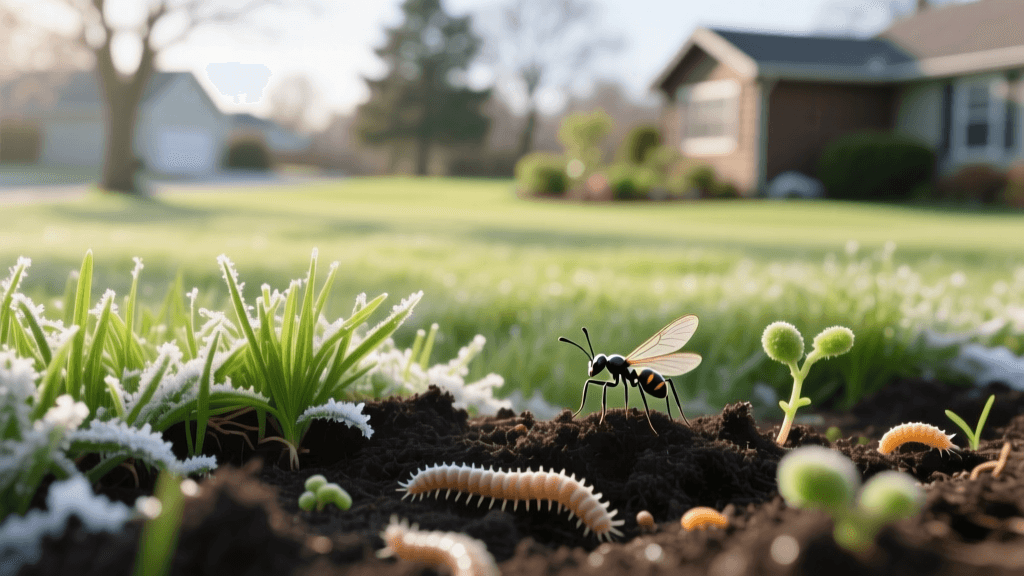
2026 Snow Mold Bio-Control and Spring Lawn Recovery
The Biological Paradigm Shift in 2026 Turf Management
As we navigate the 2026 lawn care season, a massive shift is underway in how turf managers and homeowners approach lawn diseases. Synthetic chemical fungicides, once the default solution for winter turf damage, are increasingly being replaced by sophisticated bio-control strategies. This is especially true for snow mold prevention and spring recovery. By leveraging beneficial microbes, biological fungicides, and predatory insects, you can restore your lawn's natural resilience, outcompete fungal pathogens, and rebuild the soil food web without disrupting the local ecosystem.
Snow mold is a frustrating reality for cool-season grasses and transition-zone lawns. However, treating it as a purely chemical problem ignores the underlying biological imbalances that allow the disease to thrive. In this comprehensive guide, we will explore how to utilize bio-control agents and beneficial insects to prevent snow mold in the fall and aggressively recover your lawn in the spring of 2026.
Understanding Snow Mold Pathogens and Soil Biology
Snow mold is primarily caused by two distinct fungal pathogens: Microdochium nivale (pink snow mold) and Typhula incarnata (gray snow mold). These fungi thrive in cold, wet conditions, particularly beneath a blanket of snow where temperatures hover just above freezing. According to turf pathologists at the University of Minnesota Extension, snow mold develops when grass is covered by snow for extended periods, especially if the lawn was left too long in the fall or received a late application of fast-release nitrogen.
From a bio-control perspective, snow mold is an opportunistic pathogen. It exploits lawns with excessive thatch, poor soil drainage, and a depleted microbial ecosystem. When the soil lacks a robust population of beneficial bacteria and fungi, there is no 'competitive exclusion' to stop snow mold spores from colonizing the turf crown. Therefore, our 2026 strategy focuses on fortifying the lawn's biological defenses rather than merely sterilizing the soil surface.
Fall Prevention: Bio-Dethatching and Microbial Inoculation
Prevention is the cornerstone of any successful bio-control program. Mechanical dethatching can be stressful and damaging to the turf crown. Instead, modern organic lawn care relies on biological thatch digesters. These liquid amendments contain concentrated strains of Bacillus licheniformis and Bacillus subtilis, which naturally break down dead organic matter (thatch) where snow mold spores overwinter.
Building a Bio-Resistant Soil Web
In early autumn 2026, focus on inoculating your soil with mycorrhizal fungi and compost teas. Mycorrhizae form symbiotic relationships with grass roots, extending their reach for water and nutrients while secreting enzymes that deter pathogenic fungi. By fostering a diverse soil microbiome in September and October, you create an environment where snow mold struggles to establish a foothold before the first snowfall.
- Mow Low Gradually: Drop your mowing height to 2 inches by the final cut of the season to prevent grass blades from matting down under snow.
- Apply Biological Dethatchers: Use microbe-based thatch digesters in early fall to eliminate the fungal breeding ground.
- Avoid Late Nitrogen: Skip synthetic nitrogen after early October; it promotes lush, weak growth highly susceptible to Microdochium nivale.
Spring Recovery: Deploying Bio-Fungicides
When the snow melts and reveals the telltale gray or pink crusty patches of snow mold, immediate action is required. However, reaching for a broad-spectrum synthetic fungicide will wipe out the beneficial organisms you need to help your lawn recover. Instead, deploy targeted bio-fungicides.
The United States Environmental Protection Agency (EPA) highlights that biopesticides, including microbial pesticides, are naturally occurring organisms that control pests and diseases through specific biological mechanisms. As noted in the EPA's biopesticides overview, these agents are highly targeted and leave beneficial insects unharmed.
Key Bio-Fungicides for 2026
1. Bacillus subtilis (Strain QST 713 or similar): This beneficial bacterium acts as a biological shield. When sprayed over recovering snow mold patches, it rapidly colonizes the leaf surface and root zone, consuming the same resources the snow mold needs to survive. It also produces lipopeptides that actively break down the cell walls of fungal pathogens.
2. Trichoderma harzianum: A highly aggressive, beneficial soil fungus. Trichoderma literally parasitizes pathogenic fungi like Typhula incarnata, wrapping around their hyphae and digesting them. Applying a Trichoderma drench in early spring accelerates the breakdown of dead snow mold tissue and protects new grass shoots.
The Role of Beneficial Insects in Post-Mold Recovery
While microbes fight the fungal battle, beneficial insects play a crucial, often overlooked role in spring lawn recovery. Grass weakened by snow mold is highly vulnerable to secondary attacks from root-feeding pests like grubs, billbugs, and chinch bugs. If these pests invade a recovering lawn, the grass will collapse entirely.
Predatory Beetles and Mites
Ground beetles (Carabidae) and rove beetles (Staphylinidae) are apex predators in the turf ecosystem. They patrol the thatch layer and soil surface, consuming the eggs and larvae of turf-destroying insects. To encourage these beneficial insects during your spring recovery, you must avoid synthetic pesticides and provide a hospitable environment. Leaving small, undisturbed border areas with native ground covers near your lawn provides overwintering habitat for these vital predators.
Beneficial Nematodes for Secondary Pest Control
Although technically microscopic roundworms rather than insects, beneficial nematodes are a staple of the bio-control arsenal. According to Penn State Extension, entomopathogenic nematodes are highly effective at controlling soil-dwelling turf pests without harming plants, humans, or beneficial earthworms.
In late spring, once soil temperatures consistently reach 55°F to 60°F, apply Heterorhabditis bacteriophora (Hb nematodes). These nematodes actively seek out white grubs that are targeting your snow-mold-weakened root systems. Upon entering the grub, the nematodes release a symbiotic bacterium that kills the host within 48 hours, allowing the nematodes to reproduce and continue protecting your lawn throughout the 2026 growing season.
2026 Bio-Control Application Schedule
Timing is everything when working with living biological agents. Below is a structured schedule for integrating bio-control into your snow mold prevention and recovery routine.
| Bio-Control Agent | Target Problem | Optimal Soil Temp | Application Timing & Rate |
|---|---|---|---|
| Bacillus licheniformis | Thatch accumulation (Mold habitat) | 60°F - 85°F | Early Fall: 2 oz per 1,000 sq ft |
| Bacillus subtilis | Pink & Gray Snow Mold | 45°F - 75°F | Early Spring (Snowmelt): 4 oz per 1,000 sq ft |
| Trichoderma harzianum | Pathogenic Fungi / Root Rot | 50°F - 80°F | Mid-Spring: Soil drench per label |
| Heterorhabditis bacteriophora | White Grubs / Billbugs | 55°F - 85°F | Late Spring: 1 billion per acre |
Protecting Your Biological Army
The greatest threat to your bio-control strategy is the accidental introduction of broad-spectrum synthetic chemicals. If you apply a chemical fungicide or a systemic insecticide like imidacloprid during your spring recovery, you will inadvertently sterilize the soil, killing the Bacillus and Trichoderma you just applied, and decimating the populations of predatory beetles and beneficial nematodes.
In 2026, commit to a holistic, biology-first approach. Feed the soil with organic compost top-dressings, utilize liquid seaweed and humic acids to stimulate microbial activity, and trust in the intricate food web beneath your feet. By combining biological dethatchers, targeted bio-fungicides, and the predatory power of beneficial insects and nematodes, your lawn will not only recover from snow mold but will emerge thicker, greener, and more resilient than ever before.