Lawn Care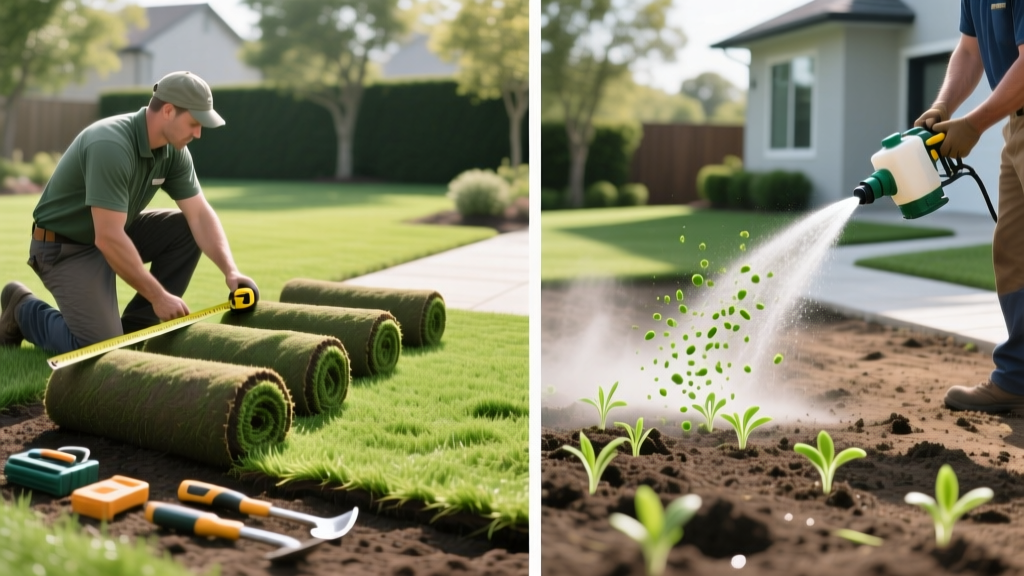
Sod Vs Hydroseeding: 2026 Cost And Timeline Guide
Robert HayesPublished
The Critical First Step: Pruning Methods & Timing for Turf Prep
Before diving into the financial and temporal investments of sod installation versus hydroseeding, we must address a frequently overlooked prerequisite: site preparation through proper pruning methods and timing. Whether you are laying down premium Kentucky Bluegrass sod or spraying a Tall Fescue hydroseed slurry, turfgrass requires a minimum of six to eight hours of direct sunlight to establish deep roots and resist disease.
If your yard is heavily shaded by mature trees or overgrown shrubs, neither sod nor hydroseed will survive long-term without strategic canopy management. In 2026, landscape architects heavily emphasize two specific pruning methods prior to turf establishment:
- Crown Thinning: This involves selectively removing interior branches to allow dappled sunlight to reach the soil surface. This method maintains the tree's health while increasing the light penetration necessary for seed germination and sod rooting.
- Crown Raising: By removing the lower branches of a tree, you increase the clearance between the ground and the canopy. This not only lets in low-angle morning and evening sun but also improves airflow, which is critical for preventing fungal diseases in newly established lawns.
Timing is everything. The optimal time for structural pruning of deciduous trees is late winter or very early spring while the plants are still dormant. This timing aligns perfectly with the prime window for spring cool-season grass establishment. Pruning just before you grade the soil for sod or hydroseed ensures that heavy branch debris won't damage your new turf later, and it prevents the stress of pruning trees during the peak summer heat when they are most vulnerable to pests.
Sod Installation: 2026 Costs and Timelines
Sod installation remains the premier choice for homeowners who need an immediate aesthetic transformation or who are dealing with severe erosion issues on steep slopes. As of 2026, supply chain stabilizations and improved local turf farming logistics have slightly moderated the wild price fluctuations seen in previous years, though labor costs remain a significant factor.
Cost Breakdown
The national average cost for professional sod installation in 2026 ranges from $1.75 to $3.50 per square foot. This price typically includes the removal of existing weeds, basic soil tilling, the sod itself, and professional labor. If you opt for a DIY approach, you can expect to pay between $0.45 and $0.95 per square foot for the sod pallets alone, plus the cost of delivery and equipment rentals. Premium drought-tolerant varieties, such as advanced RTF (Rhizomatous Tall Fescue) or specialized Zoysia cultivars, will push the material cost toward the higher end of that spectrum.
Timeline to Usability
The primary advantage of sod is speed. Once laid and properly watered, you have an "instant lawn." According to turfgrass experts at the University of Minnesota Extension, sod typically takes about 14 to 21 days to knit its roots into the underlying soil. By week four, you can generally perform light mowing, and by week six, the lawn can withstand moderate foot traffic and recreational use.
Hydroseeding: 2026 Costs and Timelines
Hydroseeding—the process of spraying a slurry of seed, water, mulch, fertilizer, and tackifiers—has evolved significantly by 2026. Modern hydroseed mixes now frequently include advanced biostimulants and moisture-retaining hydrogels that drastically improve germination rates even in challenging climates.
Cost Breakdown
Hydroseeding is substantially more cost-effective than sod, especially for large properties. In 2026, professional hydroseeding costs between $0.20 and $0.45 per square foot. For a standard 5,000-square-foot suburban lawn, you are looking at a total investment of roughly $1,000 to $2,250. DIY hydroseeding kits attached to garden hoses are available for under $150, but they lack the commercial-grade mulch and tackifiers necessary for slope stabilization and uniform coverage.
Timeline to Usability
Unlike sod, hydroseeding requires patience. You will typically see the first signs of germination within 5 to 10 days, depending on soil temperatures and moisture levels. However, the turf will be sparse and fragile for the first month. According to data from NC State Extension TurfFiles, a hydroseeded lawn generally requires 8 to 12 weeks of careful nurturing, consistent watering, and multiple mowing sessions before it is dense enough to handle regular foot traffic or children playing.
Head-to-Head Comparison Chart
To help you decide which method aligns with your 2026 landscaping budget and schedule, review the comparison table below:
| Feature | Sod Installation | Hydroseeding |
|---|---|---|
| Material & Labor Cost (per sq ft) | $1.75 - $3.50 | $0.20 - $0.45 |
| Germination / Establishment | Instant (Pre-grown) | 5 - 10 Days |
| Time to Light Foot Traffic | 3 - 4 Weeks | 8 - 12 Weeks |
| Erosion Control | Immediate | Moderate (Relies on tackifiers) |
| Grass Variety Options | Limited to local farm stock | Highly customizable seed blends |
| Watering Requirements (Weeks 1-3) | High (Must keep roots moist) | Very High (Must prevent mulch drying) |
Hidden Costs and Soil Preparation
When budgeting for your 2026 lawn project, do not ignore the hidden costs of soil preparation. Both sod and hydroseed will fail if placed over compacted clay or nutrient-deficient dirt. The Texas A&M AgriLife Extension strongly recommends conducting a comprehensive soil test before any turf establishment.
Budget an additional $0.15 to $0.30 per square foot for professional rototilling, topsoil amendment, and grading. If your soil pH is severely unbalanced, you may also need to apply pelletized lime or sulfur, which adds roughly $50 to $100 to the total project cost. Furthermore, installing an automated irrigation system prior to laying sod or spraying seed is highly recommended. In 2026, smart irrigation controllers that adjust watering schedules based on local hyper-local weather data are considered essential for conserving water while keeping new turf alive.
Final Verdict for 2026
The choice between sod and hydroseeding ultimately depends on your timeline, budget, and how you have prepared the site through proper pruning and grading. If you are hosting a major event in a month, dealing with a steep slope prone to washouts, or simply have the budget to bypass the messy seedling phase, sod installation is the undisputed champion of convenience and immediate curb appeal.
However, if you are managing a large acreage, working with a strict budget, or desire a highly specific, custom-blended grass variety tailored to your microclimate, hydroseeding offers unparalleled value. Just remember to pair your chosen turf method with diligent site preparation, proper canopy pruning for optimal sunlight, and a rigorous 2026 watering schedule to ensure your new lawn thrives for decades to come.