Lawn Care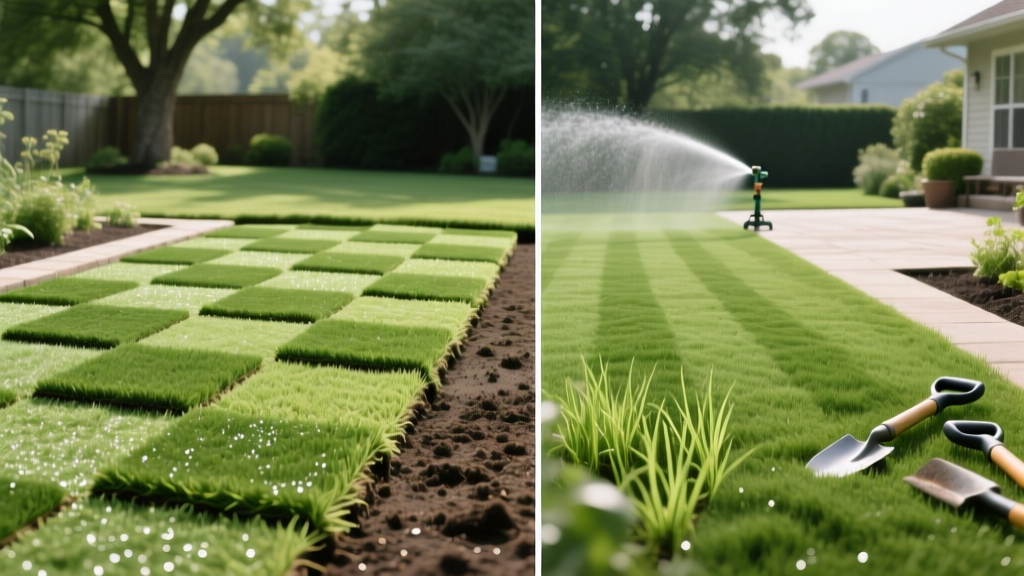
Sod vs Hydroseeding 2026: Cost, Timeline & Striping
David ParkPublished
The Foundation of Flawless Lawn Striping
Welcome to 2026, where the home lawn is no longer just a patch of green—it is a living canvas. The surge in popularity of advanced lawn striping kits, roller attachments, and precision zero-turn mowers has turned suburban backyards into miniature baseball diamonds and golf courses. However, achieving those crisp, high-contrast checkerboards, waves, and diamonds requires much more than just bending grass blades with a roller. It demands a dense, uniform, and deeply rooted turf canopy. If you are starting from bare soil or undertaking a major lawn renovation, you face a critical decision that will dictate your aesthetic potential: sod installation versus hydroseeding. While both methods will eventually yield a green lawn, their timelines, costs, and ultimate suitability for pristine aesthetic patterns differ drastically.
The Physics of Striping: Why Uniformity Matters
Before comparing costs, it is essential to understand how lawn striping actually works. Striping is an optical illusion created by the way light reflects off grass blades. When you push grass away from you, the top of the blade faces the sun, appearing light green or silver. When you pull grass toward you, you see the underside of the blade, which casts a shadow and appears dark green. For a stripe to look sharp and professional, the grass canopy must be incredibly uniform. Variations in blade width, growth speed, and turf density will scatter light unevenly, resulting in muddy, blurred, or patchy patterns. This is where your choice between sod and hydroseeding in 2026 will make or break your aesthetic goals.
Sod Installation 2026: The Fast Track to Aesthetic Patterns
Sod is the undisputed champion for homeowners who demand immediate results and a flawless canvas for striping. Because sod is grown on professional turf farms, it is harvested as a mature, dense monoculture or highly controlled blend. This means every single blade of grass in a roll of Kentucky Bluegrass or Tall Fescue shares the exact same genetic traits, blade width, and growth habit. When you run a striper over a sod lawn, the light reflects uniformly, creating razor-sharp lines.
2026 Sod Costs and Market Realities
In 2026, the cost of sod reflects ongoing fluctuations in agricultural fuel, water management, and specialized turf fertilizers. On average, homeowners can expect to pay between $0.55 and $0.95 per square foot for the sod material itself. Professional installation labor typically adds another $0.60 to $1.10 per square foot. For a standard 5,000-square-foot backyard, a fully installed sod lawn will cost between $5,750 and $10,250. While this is a premium investment, you are paying for instant maturity, immediate erosion control, and a weed-free starting point.
Timeline to Your First Stripe
The timeline for striping a sod lawn is remarkably short. After installation, the sod requires about three to four weeks of consistent, shallow watering to knit its roots into the native soil. Once the turf resists a gentle upward tug, it is ready for its first mow. By week five or six, the root system is robust enough to withstand the lateral friction of a lawn striper kit or roller without uprooting. You can begin laying down your first checkerboard patterns in just over a month.
Hydroseeding: The Budget-Friendly but Patient Route
Hydroseeding involves spraying a slurry of grass seed, water, tackifiers, and mulch (often wood fiber or bonded fiber matrix) over prepared soil. It is an excellent method for covering large, sloped, or difficult-to-reach areas where laying sod would be cost-prohibitive or physically impossible. However, when viewed through the lens of aesthetic lawn patterns, hydroseeding presents unique challenges that require immense patience.
2026 Hydroseeding Costs and Market Realities
The financial appeal of hydroseeding is undeniable. In 2026, professional hydroseeding services average between $0.18 and $0.35 per square foot, depending on the seed mix, mulch type, and site accessibility. For that same 5,000-square-foot yard, you are looking at a total investment of just $900 to $1,750. This massive cost savings allows homeowners to reallocate funds toward high-end mowing equipment, irrigation systems, or premium striping attachments.
Timeline to Your First Stripe
While hydroseed germinates quickly—often showing green fuzz within 7 to 14 days—establishing a turf canopy dense enough for striping takes significant time. According to the University of Minnesota Extension, newly seeded lawns require months of careful nurturing to develop the deep root systems and rhizome networks necessary for turf maturity. If you attempt to drag a striping roller over a first-year hydroseeded lawn, the shallow roots will tear right out of the soil, ruining the turf and your patterns. You must wait until the second full growing season before the grass is mature enough to safely bend and hold a stripe.
Head-to-Head Comparison Chart
To help you visualize the investment and timeline required for your aesthetic lawn goals, review the 2026 comparison data below:
| Feature | Sod Installation | Hydroseeding |
|---|---|---|
| 2026 Avg Cost (5,000 sq ft) | $5,750 - $10,250 | $900 - $1,750 |
| Time to First Mow | 3 - 4 Weeks | 6 - 8 Weeks |
| Time to Safe Striping | 5 - 6 Weeks | 12 - 18 Months |
| Grass Uniformity | Excellent (Monoculture) | Variable (Blends/Mixes) |
| Weed Competition | Very Low | High in Year One |
| Erosion Control | Instant | Effective after 14 days |
Grass Uniformity: The Secret to Crisp Lines
As mentioned earlier, uniformity is the secret ingredient to professional-grade striping. Sod farms in 2026 utilize advanced GPS-guided harvesting and precision planting to offer pure stands of highly strippable grasses. For cool-season lawns, pure Kentucky Bluegrass (KBG) or pure Tall Fescue sod provides a flawless, uniform blade structure that bends predictably. Warm-season options like pure Bermuda or Zoysia sod offer incredible density that holds intricate diamond patterns beautifully.
Hydroseeding, on the other hand, rarely utilizes pure monocultures. To ensure successful germination across varying microclimates, soil types, and sun exposures in your yard, hydroseed contractors typically use complex seed blends. A standard hydroseed mix might contain 40% Perennial Ryegrass, 40% Creeping Red Fescue, and 20% Kentucky Bluegrass. While this ensures a green lawn, it creates a nightmare for striping. Ryegrass grows vertically and resists bending, Fescue has a fine, wispy blade, and Bluegrass bends flat. When you roll over this blended canopy, the different grasses react differently to the pressure, resulting in a mottled, inconsistent stripe that lacks visual contrast.
Expert Soil Preparation for Pattern Perfection
Regardless of whether you choose the premium route of sod or the economical route of hydroseeding, the soil beneath your turf dictates how well your grass will eventually stripe. A lawn grown in compacted, nutrient-poor soil will be thin and weak, snapping under the weight of a striper rather than bending gracefully. The Penn State Extension emphasizes that rigorous soil preparation is the most critical step in any turf establishment project.
Before laying sod or spraying hydroseed, you must grade the yard to eliminate bumps and dips. A perfectly level surface is not just important for drainage; it is vital for mowing aesthetics. If your mower deck dips into a slight depression, the cutting height changes, leaving uneven swaths that disrupt the visual flow of your stripes. Furthermore, incorporating organic compost and conducting a comprehensive soil test in early 2026 will ensure your pH and phosphorus levels are optimized for explosive root growth. Deep roots anchor the grass firmly, allowing you to apply the necessary pressure with a heavy steel or poly lawn roller to create dark, dramatic bends without damaging the plant crown.
Final Verdict for the Aesthetic Perfectionist
If your primary goal in 2026 is to achieve breathtaking, golf-course-quality lawn patterns as quickly as possible, sod installation is the only logical choice. The higher upfront cost is offset by the immediate gratification, the weed-free environment, and the genetic uniformity required for light-reflecting stripes. However, if you are working with a massive property, a steep slope, or a strict budget, hydroseeding remains a viable option—provided you possess the patience to nurture the turf through its vulnerable first year and accept the visual quirks of a blended seed mix. Whichever path you choose, pair your new lawn with a high-quality striping kit, sharp mower blades, and a consistent fertilization schedule to turn your yard into a neighborhood masterpiece.