Pest Control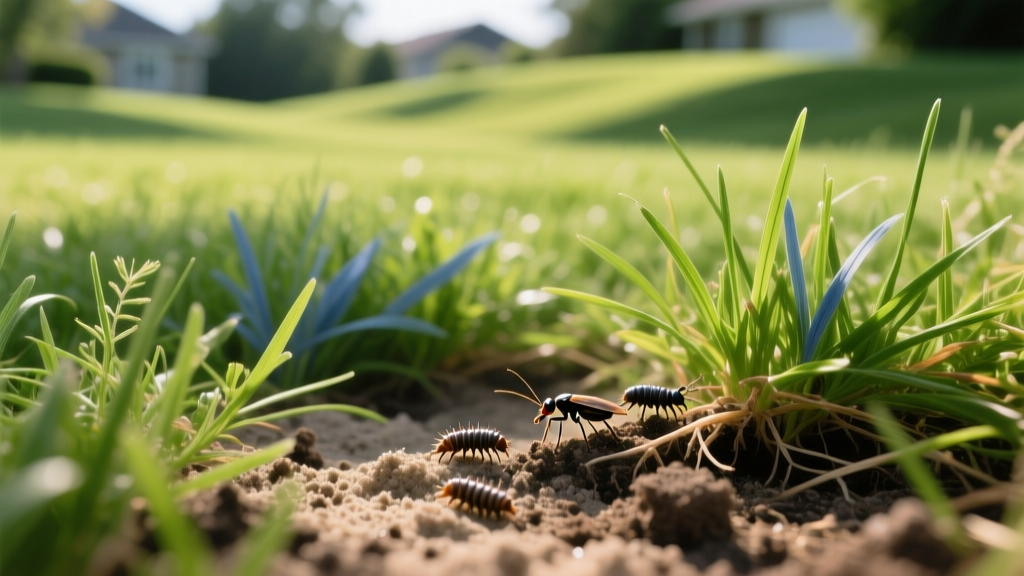
How Soil Types and Grass Matching Affect Lawn Pests
Mike RodriguezPublished
The Foundation of Pest Control: Soil and Grass Synergy
When homeowners spot yellowing patches, chewed grass blades, or spongy turf, the immediate reaction is often to reach for a broad-spectrum insecticide. However, as any seasoned turfgrass manager knows, effective pest control begins long before an infestation occurs. It starts beneath the surface with the critical relationship between your soil type and your chosen grass species. This concept, known as soil-grass matching, is the cornerstone of proactive Integrated Pest Management (IPM).
When a grass species is planted in an incompatible soil type, it experiences chronic abiotic stress. This stress weakens the plant's natural defenses, alters its root exudates, and makes it highly attractive to biotic threats like insects and nematodes. According to the Environmental Protection Agency (EPA), the first principle of IPM is to identify the root cause of pest issues and modify the environment to make it less hospitable to pests. By understanding your soil profile, you can select the right grass and deploy highly targeted, soil-specific pest control strategies.
Sandy Soils: Drainage, Drought, and Surface Pests
Sandy soils are characterized by large particle sizes, resulting in rapid drainage, low nutrient retention, and a tendency to dry out quickly. While this prevents waterlogging, it creates a harsh environment for cool-season grasses and shallow-rooted species.
Ideal Grass Matches
Warm-season grasses with deep root systems and high drought tolerance thrive here. Bermudagrass, Zoysiagrass, and Centipedegrass are excellent choices. In coastal sandy regions, Seashore Paspalum is also highly effective.
Common Pests in Sandy Soils
- Southern Chinch Bugs: These pests thrive in hot, dry, and sandy conditions, particularly when St. Augustinegrass or Bermudagrass becomes drought-stressed. They pierce the grass blades and inject a toxin that causes rapid yellowing and death.
- Mole Crickets: Sandy, loose soils are incredibly easy for mole crickets to tunnel through. They sever grass roots and push soil to the surface, creating raised, spongy ridges that destroy turf integrity.
- Sting Nematodes: Microscopic roundworms that flourish in sandy soils, feeding on grass roots and causing stunted, yellowed turf that mimics drought stress.
Targeted Management Strategies
For chinch bugs in sandy soils, maintaining adequate moisture is your first line of defense. If chemical intervention is required, bifenthrin-based products can be used, but they must be watered in lightly to reach the thatch layer where the bugs hide. For mole crickets, biological control is highly effective. Applying Steinernema scapterisci (a beneficial nematode) in late summer costs approximately $45 to $60 per 10 million nematodes and specifically targets mole cricket nymphs before they cause severe tunneling damage. For detailed identification and thresholds, refer to the Clemson University Home & Garden Information Center.
Clay Soils: Compaction, Moisture Retention, and Root Feeders
Clay soils consist of microscopic particles that pack tightly together. They hold water and nutrients exceptionally well but suffer from poor drainage, low oxygen levels, and severe compaction. Turfgrass roots often struggle to penetrate deep into heavy clay, leading to shallow root systems that are highly susceptible to environmental fluctuations.
Ideal Grass Matches
Cool-season grasses with aggressive, fibrous root systems are best suited for clay. Tall Fescue and Kentucky Bluegrass can handle the density and moisture fluctuations of clay soils. In southern regions, St. Augustinegrass can tolerate clay if drainage is moderately managed.
Common Pests in Clay Soils
- White Grubs: The larvae of Japanese beetles, June bugs, and masked chafers love the thatch-to-soil interface in clay lawns. The moisture retention in clay keeps the grub larvae hydrated and feeding aggressively on grassroots from late summer through fall.
- Armyworms and Cutworms: While these are surface feeders, they often lay eggs in the thick, moist thatch layers that develop on poorly aerated clay soils.
- Fungus Gnats and Crane Flies: The persistent surface moisture and poor drainage of heavy clay create the perfect breeding ground for these nuisance insects, whose larvae can feed on tender grass seedlings and roots.
Targeted Management Strategies
The primary defense against pests in clay soil is relieving compaction. Annual core aeration in the fall (costing $50 to $150 depending on lawn size) allows oxygen to reach the roots and promotes deeper growth, making the grass more resilient to grub feeding. For grub prevention, apply a product containing Chlorantraniliprole (such as Scotts GrubEx) in late May or early June at a rate of 2.87 lbs per 1,000 square feet. This active ingredient is highly effective, safe for pollinators, and degrades slowly in heavy clay soils. According to the University of Kentucky Entomology Department, timing preventative treatments before the eggs hatch in mid-summer is vastly more effective than trying to kill mature, deep-burrowing grubs in the fall.
Loam Soils: The Ideal Balance and Maintenance Pests
Loam is the horticultural gold standard, offering a balanced mix of sand, silt, and clay. It provides excellent drainage while retaining sufficient moisture and nutrients. Because loam supports vigorous, deep-rooted turf, abiotic stress is rare, meaning pest issues are usually tied to maintenance practices rather than soil limitations.
Ideal Grass Matches
Almost any grass thrives in loam, but Perennial Ryegrass, Fine Fescues, and Zoysiagrass will form incredibly dense, competitive sods that naturally choke out weeds and resist minor pest pressures.
Common Pests in Loam Soils
- Sod Webworms: These caterpillars feed on the blades of lush, fast-growing grasses found in nutrient-rich loam.
- Billbugs: They attack the stems and crowns of thick, healthy turf, particularly Kentucky Bluegrass and Zoysia.
Targeted Management Strategies
Because the grass is naturally vigorous, IPM in loam soils focuses on monitoring and spot-treating. Use the "tug test" for billbugs: if grass pulls up easily with sawdust-like frass at the base, apply a systemic insecticide like Imidacloprid in early spring. For sod webworms, a biological spray containing Bacillus thuringiensis (Bt) kurstaki is highly effective and preserves the beneficial insect population that loam soils naturally support.
Soil-Grass-Pest Matching Chart
Use the table below to quickly diagnose your lawn's baseline vulnerability and plan your seasonal pest control calendar.
| Soil Type | Ideal Grass Match | High-Risk Pests | Primary Preventative Strategy |
|---|---|---|---|
| Sandy | Bermuda, Zoysia, Centipede | Chinch Bugs, Mole Crickets, Sting Nematodes | Frequent, light irrigation; Beneficial nematodes (Steinernema) |
| Clay | Tall Fescue, Kentucky Bluegrass | White Grubs, Armyworms, Fungus Gnats | Annual core aeration; Preventative Chlorantraniliprole |
| Loam | Perennial Ryegrass, Fine Fescue | Sod Webworms, Billbugs | Regular scouting; Spot-treatment with Bt or Imidacloprid |
| Silty | Kentucky Bluegrass, Tall Fescue | Chinch Bugs, Cutworms | Topdressing with sand to improve drainage; Thatch management |
Actionable IPM Strategies Based on Soil Modification
If you have identified a mismatch between your soil and your grass, or if you are battling chronic pest issues, consider these soil-modification techniques to restore balance and natural pest resistance:
1. Topdressing to Alter Soil Texture
If you are dealing with sandy soil that dries out too fast (inviting chinch bugs), topdress your lawn with a 1/4-inch layer of screened compost in the spring and fall. This increases the soil's cation exchange capacity (CEC), allowing it to hold water and nutrients longer, reducing drought stress. Conversely, if you have heavy clay prone to grub-harboring thatch, topdress with coarse sand and organic matter to improve drainage and encourage deeper root growth.
2. pH Management for Pest Deterrence
Soil pH dictates nutrient availability, which in turn affects the thickness of the grass cell walls. Most turfgrasses prefer a pH of 6.0 to 7.0. If your soil is too acidic (below 5.5), the grass becomes weak and susceptible to piercing-sucking insects like aphids and chinch bugs. Apply pelletized lime at a rate of 50 lbs per 1,000 square feet to raise the pH. If the soil is too alkaline (above 7.5), apply elemental sulfur to lower it, ensuring the grass can uptake iron and maintain robust cellular defenses.
3. Strategic Use of Beneficial Nematodes
Beneficial nematodes are microscopic worms that hunt and kill soil-dwelling pests. However, their efficacy is entirely dependent on soil type:
- In Clay Soils: Use Heterorhabditis bacteriophora. They are active seekers that can navigate the dense, moisture-rich environment of clay to find white grubs.
- In Sandy Soils: Use Steinernema carpocapsae or Steinernema scapterisci. These are "ambush" nematodes that wait near the surface of loose soils for hosts like mole crickets and caterpillars to pass by.
Application Tip: Always apply nematodes in the late afternoon or on a cloudy day, and water the lawn immediately with 0.25 to 0.5 inches of water to wash them into the soil profile before UV rays can destroy them.
Conclusion
Pest control is not merely a reactive battle against insects; it is a proactive exercise in environmental management. By understanding the unique physical and chemical properties of your soil, you can select a grass species that thrives rather than merely survives. A well-matched, vigorously growing lawn is the most powerful, cost-effective, and environmentally sound pesticide available. Before you spend hundreds of dollars on chemical curatives, test your soil, evaluate your grass match, and build a resilient foundation that naturally repels pests.