Pest Control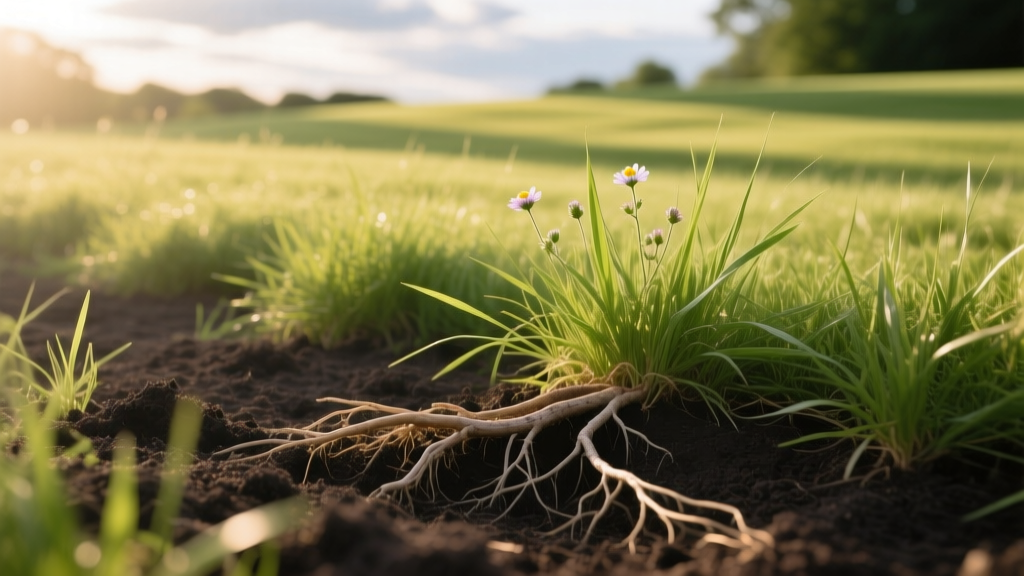
Soil & Grass Matching: The Secret to Pest-Resistant Lawns
Emily WatsonPublished
The Hidden Link Between Soil, Grass Selection, and Pest Outbreaks
When most homeowners notice an influx of white grubs, chinch bugs, or armyworms, their first instinct is to reach for a chemical pesticide. However, in the realm of Integrated Pest Management (IPM), treating the symptom without addressing the root cause is a losing battle. The true foundation of a pest-resistant lawn lies beneath the surface. Matching your grass species to your native soil type is one of the most effective, yet frequently overlooked, pest prevention strategies available to turf managers and homeowners alike.
According to the Environmental Protection Agency (EPA), the core philosophy of IPM emphasizes prevention as the first line of defense. In lawn care, prevention begins with proper plant and soil matching. When a grass species is planted in an incompatible soil type, it experiences chronic abiotic stress. This stress leads to shallow root systems, nutrient deficiencies, and drought vulnerability. More importantly, stressed turfgrass emits specific volatile organic compounds (VOCs) that act as a beacon, signaling to destructive insects that the plant is weak and susceptible to attack.
By understanding your soil profile and selecting a turfgrass cultivar adapted to those exact conditions, you cultivate a vigorous lawn with thick cell walls, deep roots, and natural chemical defenses that make it highly unpalatable to common lawn pests.
Identifying Your Native Soil Type
Before you can match your grass to your soil to deter pests, you must accurately identify your soil's texture and chemistry. The USDA Natural Resources Conservation Service emphasizes that healthy, undisturbed soils foster robust root systems capable of outcompeting weeds and recovering rapidly from insect damage. Soil texture is determined by the ratio of sand, silt, and clay particles, which dictates drainage, aeration, and nutrient-holding capacity.
The Mason Jar Soil Test
You can determine your soil texture at home with a simple mason jar test:
- Fill a clear mason jar one-third full with a soil sample taken from the top 4 inches of your lawn.
- Add water until the jar is nearly full, along with a teaspoon of liquid dish soap to separate the particles.
- Shake vigorously for 3 minutes, then let it sit undisturbed for 24 hours.
- The Results: Sand will settle at the bottom within a minute. Silt will settle in the middle over a few hours. Clay will remain suspended and settle at the top after 24 hours. Measure the layers to determine your soil's dominant composition.
Additionally, invest $20 to $30 in a professional soil test through your local university extension office to determine your soil pH and organic matter percentage, both of which dictate grass selection and pest susceptibility.
Matching Grass to Soil for Natural Pest Resistance
As noted by the University of Minnesota Extension, selecting a grass species adapted to your specific site conditions, including soil texture and drainage, is the most critical step in reducing long-term pest and disease pressure. Below is a strategic guide to matching grass types with soil profiles to minimize pest habitats.
| Soil Type | Ideal Grass Match | Grass to Avoid | Primary Pest Threats When Stressed |
|---|---|---|---|
| Heavy Clay | Tall Fescue, Bermudagrass | Kentucky Bluegrass, Centipede | White Grubs, Sod Webworms |
| Sandy Soil | Zoysiagrass, Bahiagrass | Ryegrass, Fine Fescue | Root-Knot Nematodes, Chinch Bugs |
| Acidic (pH < 5.5) | Centipedegrass, Fescue | Bermudagrass, St. Augustine | Ground Pearls, Dollar Spot |
| Alkaline (pH > 7.5) | Bermudagrass, Buffalograss | Centipedegrass, Zoysia | Iron Chlorosis-induced Borers |
Managing Heavy Clay Soils
Clay soils retain moisture and nutrients but suffer from severe compaction and poor drainage. Planting shallow-rooted grasses like Kentucky Bluegrass in heavy clay leads to rapid thatch buildup and suffocated roots, creating an ideal breeding ground for white grubs and sod webworms. Tall Fescue (specifically turf-type cultivars like 'Titan Ultra' or 'Falcon IV') is the superior choice for clay. Its deep, extensive root system breaks up compaction naturally and accesses deep-water reserves, keeping the grass vigorously growing and highly resistant to surface-feeding insects even during mid-summer heat.
Managing Sandy Soils
Sandy soils drain rapidly and leach essential nutrients, leading to weak turf with thin cell walls that are easily pierced by sucking insects like chinch bugs and microscopic root-knot nematodes. Zoysiagrass and Bahiagrass thrive in sandy profiles due to their exceptional drought tolerance and dense, wiry growth habits. The high silica content in Zoysiagrass leaf blades makes them physically difficult for chewing insects to consume, acting as a natural mechanical barrier against armyworms and billbugs.
Actionable Steps for Soil Amendment and Pest Prevention
If your existing lawn is suffering from a soil-grass mismatch, complete renovation is not always necessary. You can alter the soil environment to favor your grass and deter pests using targeted cultural practices.
Core Aeration and Topdressing
For clay-heavy lawns plagued by grub damage, annual core aeration is mandatory. Aerate in early fall (for cool-season grasses) or late spring (for warm-season grasses), pulling plugs that are 2 to 3 inches deep and 0.5 inches in diameter. Immediately follow aeration with a compost topdressing. Apply a 1/4-inch layer of screened, organic compost across the lawn. The compost introduces beneficial microbes that outcompete pathogenic fungi and decompose thatch, removing the protective canopy that surface insects use to hide from predators and sunlight.
Utilizing Endophyte-Enhanced Grasses
When overseeding to thicken a damaged lawn, select seed blends that are "endophyte-enhanced." Endophytes are beneficial fungi (such as Epichloë species) that live symbiotically within the tissues of Tall Fescue, Fine Fescue, and Perennial Ryegrass. These fungi produce alkaloids that are highly toxic to surface-feeding insects like billbugs, sod webworms, and armyworms, but are completely harmless to the grass itself. Note: Endophytic grasses are toxic to grazing livestock, so they should only be used in ornamental lawns, not pastures.
How Soil Texture Affects Pest Control Treatments
When pest populations exceed the economic threshold and active intervention is required, your soil type will dictate the efficacy of your chosen control method. Ignoring soil chemistry and texture when applying treatments leads to wasted money and environmental contamination.
Applying Beneficial Nematodes
Beneficial nematodes (such as Heterorhabditis bacteriophora for grub control) are a cornerstone of organic IPM. However, soil texture heavily influences their mobility. In heavy clay soils, the microscopic pore spaces are too small for nematodes to navigate effectively, reducing their pest-hunting success rate. To counter this, clay soils must be deeply irrigated prior to application to open soil fissures, and the soil must be kept consistently moist for 14 days post-application. Conversely, in sandy soils, nematodes move freely but are highly susceptible to being leached below the root zone by heavy rainfall or over-irrigation.
Chemical Pesticide Binding and Leaching
If a severe infestation requires a targeted chemical insecticide, understand that clay particles possess a high cation exchange capacity (CEC) and will tightly bind to certain chemical molecules, potentially rendering them unavailable to target soil-dwelling pests. Sandy soils, with their low CEC, will not bind these chemicals, increasing the risk of the active ingredient leaching into the groundwater. Always read the product label for soil-specific application rates, and consider using systemic insecticides like chlorantraniliprole, which are taken up by the grass roots regardless of soil binding, providing superior protection with a lower environmental footprint.
Conclusion
Pest control in the home lawn is not merely about reacting to damage; it is about cultivating an ecosystem where pests cannot easily establish themselves. By testing your soil, selecting a grass species uniquely adapted to your native earth, and employing soil-specific cultural and biological treatments, you build a living fortress. A lawn rooted in the correct soil profile is naturally resilient, drastically reducing your reliance on chemical interventions and ensuring a lush, vibrant landscape for years to come.