Home & Garden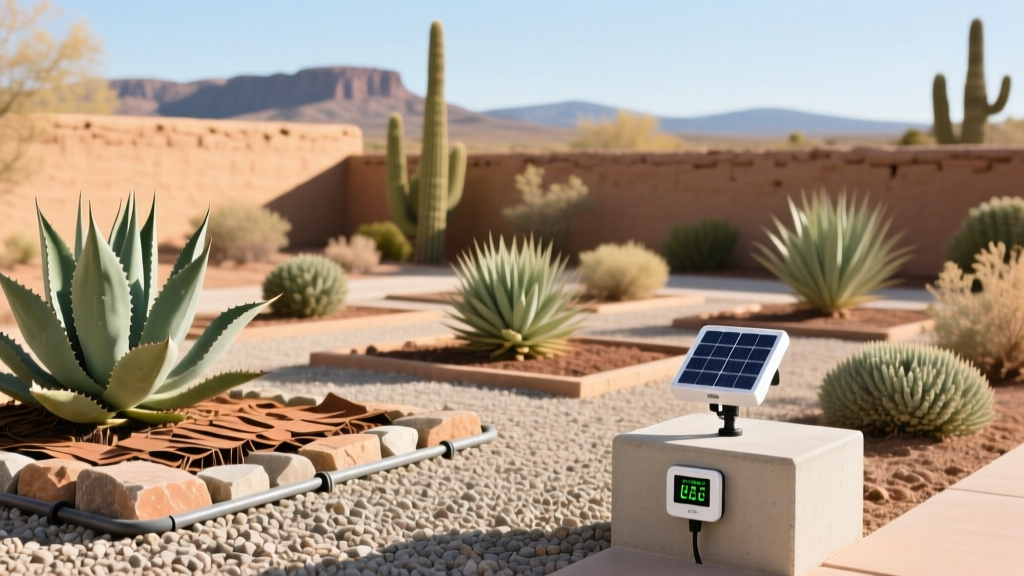
The Southwest Guide to Xeriscaping and Smart Irrigation
Anna KowalskiPublished
Embracing the Arid Aesthetic: Southwest Outdoor Living
The American Southwest presents a unique paradox for homeowners and garden enthusiasts. It is a region defined by its breathtaking, rugged beauty and abundant sunshine, yet it is simultaneously constrained by extreme heat, low annual rainfall, and stringent water conservation mandates. Bridging the gap between a lush, inviting outdoor living space and the harsh realities of USDA Hardiness Zones 8 through 10 requires a strategic shift in how we approach landscaping. Gone are the days of sprawling, water-thirsty turf grasses that demand thousands of gallons of water weekly. Today, the focus is on xeriscaping, hydrozoning, and integrating smart home irrigation technology to create sustainable, garden-to-table paradises that thrive in arid climates.
Whether you are designing a shaded courtyard in Scottsdale, a drought-tolerant front yard in Las Vegas, or a water-wise patio garden in Albuquerque, understanding your specific microclimate is the first step toward a thriving outdoor space. This comprehensive guide will walk you through the actionable steps of soil preparation, plant selection, and smart irrigation integration tailored specifically for the Southwest region.
Understanding Southwest Microclimates and Soil Profiles
Before purchasing a single plant or installing a drip line, you must understand the ground beneath your feet. Southwest soils are notoriously challenging. They are often heavy in clay, highly alkaline (with pH levels frequently ranging from 7.5 to 8.5), and plagued by caliche—a rock-hard layer of calcium carbonate that restricts root growth and prevents water drainage.
To combat poor drainage and nutrient lockout, soil amendment is critical. For raised garden beds and planting berms, incorporate 2 to 3 inches of high-quality organic compost into the top 6 to 8 inches of native soil. This improves soil structure and introduces vital microbial life. However, for large-scale xeriscape planting, many regional experts recommend planting directly in native soil and allowing the plants to adapt, as amending the soil in individual holes can create a 'bathtub effect' where water pools and rots the roots of desert-adapted plants.
Xeriscaping: Beyond Rocks and Cacti
Xeriscaping is often misunderstood as simply replacing grass with gravel and a few cacti. True xeriscaping is about creating a diverse, layered, and ecologically resilient landscape that requires minimal supplemental water once established. The cornerstone of this approach is hydrozoning—grouping plants with similar water and sunlight requirements together to eliminate overwatering and underwatering.
When selecting plants, consult authoritative regional databases. The UC ANR WUCOLS (Water Use Classification of Landscape Species) database is an invaluable tool for determining the exact water needs of thousands of plant species across different climatic zones. For the low-desert and high-desert regions of the Southwest, focus on 'Very Low' and 'Low' water use categories.
Top Southwest Plant Recommendations
- Trees: Desert Willow (Chilopsis linearis) and Palo Verde (Parkinsonia) provide excellent, dappled shade without the massive water footprint of traditional shade trees.
- Shrubs: Texas Ranger (Leucophyllum frutescens) and Hopbush (Dodonaea viscosa) offer vibrant seasonal color and extreme heat tolerance.
- Groundcovers: Trailing Rosemary (Salvia rosmarinus) and Lippia (Phyla nodiflora) serve as excellent, walkable alternatives to turf grass.
- Accents: Agave and Aloe species provide striking architectural focal points that require almost zero maintenance.
Cost Estimate: A professional xeriscape conversion typically costs between $5.00 and $15.00 per square foot, depending on hardscaping elements and plant maturity. However, many local water municipalities offer rebates of up to $3.00 per square foot for removing turf grass.
Smart Irrigation: The Brain of Your Desert Garden
Even the most drought-tolerant landscape requires precise watering during its establishment phase and the peak of summer. This is where smart home integration becomes essential. According to the EPA WaterSense program, weather-based irrigation controllers (WBICs) can save the average home nearly 7,600 gallons of water annually by adjusting watering schedules based on local evapotranspiration (ET) data, soil moisture, and real-time weather forecasts.
In the Southwest, where summer temperatures routinely exceed 105°F and monsoon rains can arrive unpredictably in July and August, a static timer is a recipe for water waste and root rot. Smart controllers use local Wi-Fi to pull hyper-local weather data, automatically skipping watering cycles when rain is imminent and increasing run times during extreme heat waves.
Smart Controller Comparison for Arid Climates
| Smart Controller Model | Best Feature for Southwest | Data Source & Sensors | Approx. Cost |
|---|---|---|---|
| Rachio 3 Smart Sprinkler Controller | Hyper-local weather intelligence and easy app-based zone management. | Local weather stations; supports soil moisture sensors. | $170 - $230 |
| Hunter Pro-HC with Hydrawise | Advanced flow metering to detect leaks in drip lines instantly. | Global weather data; optional solar sync and flow sensors. | $250 - $350 |
| Orbit B-hyve XR | Weather-resistant outdoor casing, ideal for Southwest patio mounts. | Weather Intelligence Plus; supports rain/freeze sensors. | $180 - $220 |
Drip Irrigation: The Gold Standard for the Desert
Never use overhead spray heads for desert landscaping. High winds and extreme heat cause massive evaporation losses before water even hits the soil. Instead, install a sub-surface or surface drip irrigation system. Use 0.5 GPH (gallons per hour) emitters for small shrubs and perennials, 1.0 GPH for medium trees, and 2.0 GPH for large, established canopy trees. Run the drip lines under a layer of mulch to further reduce evaporation and protect the tubing from UV degradation.
Soil Protection: Mulching Strategies for Extreme Heat
Mulch is the unsung hero of the Southwest garden. It regulates soil temperature, keeping root zones up to 15°F cooler than the ambient air, and drastically reduces surface evaporation. However, not all mulches are created equal in arid climates. The Arizona Municipal Water Users Association (AMWUA) provides excellent guidelines on matching mulch to plant type.
- Inorganic Mulch (Decomposed Granite, River Rock): Best for desert natives, cacti, and succulents. Apply a 1 to 2-inch layer. It does not blow away in monsoon winds and reflects heat, which many desert plants prefer. Keep rocks at least 6 inches away from the base of woody trunks to prevent collar rot.
- Organic Mulch (Shredded Hardwood, Bark Chips): Best for non-native, water-loving plants, fruit trees, and garden-to-table raised beds. Apply a 2 to 3-inch layer. Organic mulch breaks down over time, improving soil biology, but it will require annual topping off as it decomposes or blows away.
Garden-to-Table: Growing Edibles in the Arid Heat
Bridging indoor and outdoor living often involves harvesting fresh produce right from your patio. Growing edibles in the Southwest requires timing and protection. The traditional summer growing season in the rest of the country is actually the dormant season for many desert crops due to extreme heat.
Focus on heat-tolerant edibles like Armenian cucumbers, tepary beans, okra, and amaranth during the summer months. For delicate crops like tomatoes and peppers, install a structural frame draped with 30% to 50% shade cloth to protect the plants from the intense afternoon sun (from 2:00 PM to sunset). Utilize self-watering raised beds or ollas (unglazed clay pots buried in the soil and filled with water) to provide a slow, consistent seep of moisture directly to the root zone, minimizing water waste and preventing blossom end rot caused by irregular watering.
Seasonal Maintenance Calendar for the Southwest
Maintaining a Southwest landscape is less about constant mowing and more about strategic, seasonal interventions.
Spring (March - April)
- Prune winter-damaged branches from frost-tender shrubs like Bougainvillea and Lantana.
- Apply a slow-release, low-nitrogen fertilizer to native plants; use a balanced organic fertilizer for fruit trees and edibles.
- Flush drip lines and check emitters for clogs caused by hard water mineral buildup.
Summer (May - August)
- Adjust smart controller settings to account for peak evapotranspiration rates.
- Deep water established trees once a month using a soaker hose placed at the drip line (the outer edge of the canopy).
- Monitor for agave weevils and treat preventatively with systemic insecticides if your area is prone to infestations.
Fall (September - October)
- Plant new trees, shrubs, and wildflower seeds. Fall planting allows roots to establish in the warm soil before the mild winter.
- Reduce irrigation run times as daylight hours shorten and temperatures drop.
Winter (November - February)
- Protect sensitive citrus and succulents from occasional freezing temperatures using frost cloth and outdoor-rated holiday lights for ambient heat.
- Prune deciduous fruit trees and grapevines while they are fully dormant.
Conclusion
Creating a stunning, functional outdoor living space in the Southwest does not require fighting the natural environment. By embracing xeriscaping principles, selecting regionally appropriate flora, and leveraging smart irrigation technology, you can cultivate a vibrant garden that respects local water resources. Whether you are lounging under the dappled shade of a Desert Willow or harvesting fresh tepary beans from your shaded patio garden, the Southwest landscape offers a unique, sustainable beauty that is entirely its own.
