Home & Garden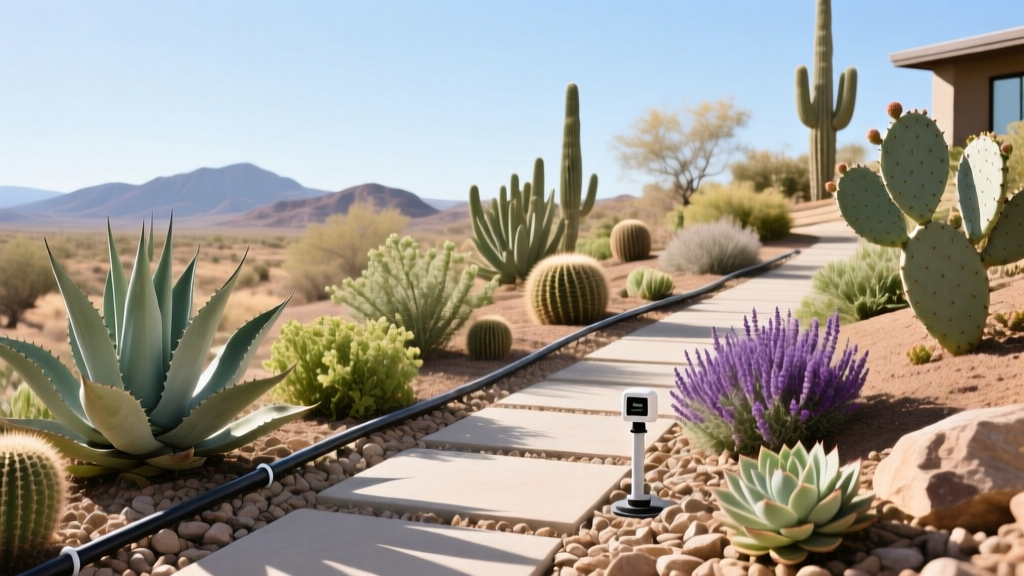
Southwest Xeriscaping: Smart Irrigation and Drought Edibles
Lisa ThompsonPublished
Rethinking the Southwest Landscape
The American Southwest is renowned for its breathtaking desert vistas, relentless sunshine, and soaring summer temperatures. However, maintaining a lush, functional outdoor living space in regions like Arizona, Nevada, and West Texas presents unique challenges. Traditional turf lawns and water-intensive garden beds are increasingly unsustainable in the face of prolonged droughts and strict municipal water restrictions. For homeowners looking to bridge the gap between indoor comfort and outdoor beauty, the solution lies in regional, climate-specific care.
By embracing xeriscaping principles, integrating smart home irrigation, and cultivating drought-tolerant edible gardens, you can create a stunning, low-maintenance oasis that thrives in arid conditions. This guide explores how to transform your Southwest property into an energy-efficient, garden-to-table haven without wasting a single drop of water.
The Foundation of Hydrozoning
Hydrozoning is the cornerstone of any successful desert landscape. This practice involves grouping plants with similar water, sunlight, and soil requirements into distinct zones. By doing so, you eliminate the common mistake of overwatering drought-tolerant succulents just to keep a nearby thirsty annual alive. The Water Use It Wisely campaign, a leading authority on desert water conservation, emphasizes that up to 70% of household water use occurs outdoors, much of it wasted due to poor landscape planning.
In the Southwest, you should divide your yard into at least three primary hydrozones:
- The Oasis Zone: Located near patios and entryways, this zone utilizes slightly higher-water plants to create a lush, cooling microclimate. This is where you might place your outdoor furniture and a small, high-yield edible garden.
- The Transition Zone: Moving away from the home, this area relies on low-water-use native shrubs and ornamental grasses that require only occasional deep watering.
- The Desert Zone: The outermost edges of your property should feature ultra-low-water succulents, cacti, and native desert trees that survive almost entirely on natural rainfall once established.
Garden-to-Table: Arid-Adapted Edibles
The garden-to-table movement is not limited to temperate climates with abundant rainfall. The Southwest offers a unique microclimate that is perfectly suited for a variety of heat-loving, drought-resilient edibles. When preparing your soil, it is crucial to address the region's typical caliche (hardpan clay) or excessively sandy soils. As noted by the Texas A&M AgriLife Extension, incorporating organic matter into heavy clay or sandy desert soils increases water retention and provides essential nutrients, reducing the need for frequent irrigation.
Top Drought-Tolerant Edibles for the Southwest
- Pomegranates (Punica granatum): Thriving in intense heat and poor soils, pomegranate bushes require minimal water once established. They provide stunning red blooms and antioxidant-rich fruit.
- Black Mission Figs (Ficus carica): Fig trees love the long, hot Southwest summers. Plant them in a location that receives morning sun and partial afternoon shade to prevent fruit sunburn.
- Prickly Pear Cactus (Opuntia): A true dual-purpose desert staple. The pads (nopales) can be grilled or pickled, and the late-summer tunas (fruits) make excellent jams and syrups. They require virtually zero supplemental water.
- Rosemary and Lavender: These Mediterranean herbs act as excellent border plants, repelling pests while providing fresh culinary seasonings. They prefer well-draining soil and infrequent, deep watering.
Pro Tip: Apply a 3- to 4-inch layer of organic wood mulch around your edibles to reduce soil surface evaporation by up to 50% and keep root zones cool during 110°F summer days.
Smart Home Irrigation Integration
Watering efficiently is just as important as choosing the right plants. Upgrading to a Weather-Based Irrigation Controller (WBIC) is one of the most impactful smart home upgrades for Southwest homeowners. According to the EPA WaterSense program, weather-based irrigation controllers can save the average home nearly 7,600 gallons of water annually by adjusting watering schedules based on local evapotranspiration (ET) rates and real-time weather data.
Recommended Smart Irrigation Setup
Replace outdated timer-based sprinklers with a smart hub like the Rachio 3 Smart Sprinkler Controller (retailing between $150 and $230). Pair this controller with a localized soil moisture sensor to prevent the system from running if the ground is already saturated from a sudden monsoon downpour.
For the actual water delivery, abandon broadcast spray heads entirely. Instead, install Netafim 1/2-inch drip tubing with 0.9 Gallons Per Hour (GPH) emitters. Drip irrigation delivers water directly to the root zone at a slow rate, eliminating wind drift and evaporative losses that plague traditional sprinklers in the arid Southwest.
Southwest Hydrozoning & Irrigation Matrix
| Hydrozone | Plant Types | Water Needs | Irrigation Method | Watering Timing |
|---|---|---|---|---|
| Oasis (Patio) | Edibles, Citrus, Annual Color | Moderate (15-30 gal/week) | Point-source Drip (1-2 GPH) | Every 2-3 days (Summer) |
| Transition | Native Shrubs, Lantana, Agave | Low (5-10 gal/week) | In-line Drip Tubing (0.9 GPH) | Every 7-10 days (Summer) |
| Desert (Perimeter) | Saguaro, Ocotillo, Desert Willow | Very Low (Rainfall only) | Bubbler / Deep Soak Hose | Once a month (Established) |
Outdoor Furniture and Shade Structures
The Southwest sun can degrade standard outdoor furniture in a single season. UV radiation and extreme heat demand specialized materials for your outdoor living spaces. When selecting patio sets, opt for High-Density Polyethylene (HDPE) lumber, such as Polywood, which is fabricated from recycled plastics and will not crack, peel, or fade under intense UV exposure. For cushions and umbrellas, insist on solution-dyed acrylic fabrics like Sunbrella, which resist UV degradation and mold.
To protect both your plants and your patio, integrate passive cooling structures. Tensioned shade sails (costing $50 to $150 depending on size) can be anchored to your home's fascia and nearby pergolas to block up to 95% of harmful UV rays while still allowing cooling breezes to pass through. Positioning shade sails over your Oasis Zone edibles during the peak of July and August can prevent heat stress and sunscald on delicate fruits like tomatoes and peppers.
Seasonal Maintenance Calendar
Maintaining a Southwest landscape requires a different rhythm than other parts of the country. Follow this seasonal checklist to keep your outdoor spaces pristine:
- Spring (March - April): Prune winter-damaged branches from citrus and pomegranates. Refresh your mulch layers to 3 inches before the summer heat sets in. Program your smart controller to increase run times gradually as temperatures climb.
- Summer (May - August): Water deeply and infrequently to encourage deep root growth. Schedule all drip irrigation to run between 4:00 AM and 6:00 AM to minimize evaporation. Harvest nopales and prickly pears early in the morning when they are most hydrated.
- Fall (September - October): Plant new drought-tolerant trees and shrubs; the cooling air and warm soil promote rapid root establishment. Reduce irrigation run times on your smart controller as ET rates drop.
- Winter (November - February): Protect tender citrus trees with frost cloths during unexpected cold snaps. Clean out drip emitter filters and flush irrigation lines to prevent mineral buildup from hard desert water.
Conclusion
Embracing the regional realities of the Southwest does not mean sacrificing a beautiful, functional outdoor living space. By implementing strategic hydrozoning, cultivating resilient garden-to-table edibles, and leveraging smart irrigation technology, you can design a landscape that is as sustainable as it is stunning. This climate-specific approach not only conserves vital water resources and lowers utility bills but also creates a vibrant, desert-adapted sanctuary that you can enjoy year-round.
