Pest Control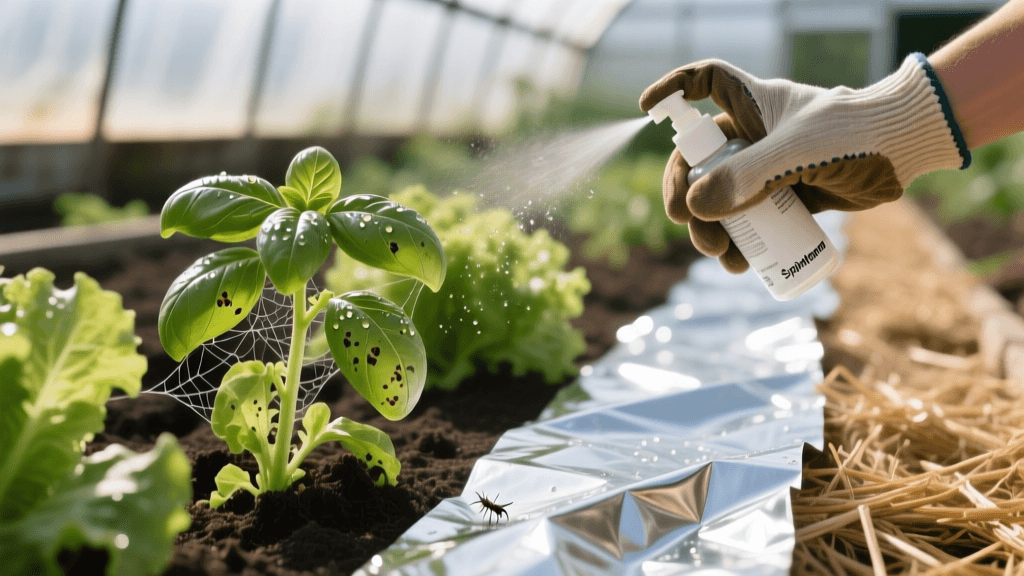
2026 Thrips Control: Spinetoram Treatment & Mulching Methods
The 2026 Thrips Threat in Landscaped Beds
As we navigate the 2026 growing season, thrips (order Thysanoptera) remain one of the most destructive and elusive pests in home lawns, ornamental gardens, and commercial landscapes. These microscopic, slender insects feed by puncturing plant cells and sucking out the contents, leaving behind devastating cosmetic and structural damage. While many gardeners focus entirely on foliar sprays to combat these pests, modern integrated pest management (IPM) dictates that we must look at the ground level. Specifically, your mulching methods and materials play a pivotal role in both harboring thrips populations and dictating the efficacy of advanced chemical controls like Spinetoram.
This comprehensive guide explores how to accurately identify thrips damage in mulched garden beds, how different mulching materials influence the thrips life cycle, and how to strategically apply Spinetoram treatments without compromising the biological integrity of your landscape beds.
Identifying Thrips Damage Above the Mulch Line
Before initiating any Spinetoram treatment, accurate identification is crucial. Thrips damage often mimics other environmental stresses, but a close inspection of the plant canopy just above the mulch line will reveal distinct signatures. According to the University of California Statewide IPM Program, thrips feeding results in characteristic tissue scarring and discoloration.
- Silvering and Stippling: The most common early sign is a silvery or bronze sheen on the leaves. This is caused by the empty, collapsed epidermal cells reflecting light.
- Black Fecal Specks: Thrips leave behind tiny, varnish-like black droplets of frass (feces) on the leaf surface, often clustered near the leaf veins or on the undersides of leaves.
- Deformed Growth: Because thrips prefer to feed on rapidly dividing cells, new shoots and emerging flower buds often emerge twisted, stunted, or fail to open entirely.
- Presence of Adults and Larvae: Tapping a suspect branch over a piece of white paper held just above the mulch bed will often dislodge the tiny, yellowish-to-black crawling insects, confirming their presence.
How Mulching Materials Dictate Thrips Life Cycles
To understand why Spinetoram applications sometimes fail, you must understand the thrips life cycle. After feeding on the plant canopy, mature thrips larvae drop from the foliage to the ground to pupate. They seek out the dark, humid microclimates provided by the top layer of soil and organic mulch. The type of mulch you use directly impacts their survival rate during this vulnerable pupal stage.
Organic Mulches (Wood Chips, Straw, Pine Needles)
Thick layers of organic mulch are excellent for soil moisture retention and weed suppression, but they provide an ideal sanctuary for pupating thrips. The complex structure of wood chips and straw allows larvae to hide from predators and environmental extremes. Furthermore, heavy organic mulch can intercept foliar pesticide sprays that wash off the plant canopy, binding the active ingredients to the organic matter before they can reach the soil-dwelling pupae.
Inorganic and Reflective Mulches
Reflective mulches, such as UV-reflective silver or metallized plastic films, are a cornerstone of physical pest control. Thrips navigate visually, using the contrast between the dark soil and the bright sky to locate host plants. Reflective mulches disorient incoming adult thrips by bouncing UV light upward, significantly reducing the initial colonization of the plant canopy. Additionally, bare soil or tightly woven landscape fabrics offer fewer hiding spots for pupating larvae compared to loose organic matter.
Mulch Material Comparison Chart for Thrips Management
The following table compares common 2026 mulching materials based on their impact on thrips pupation, adult repellency, and interaction with chemical treatments.
| Mulch Material | Pupal Harborage Risk | Adult Repellency | Spinetoram Interaction |
|---|---|---|---|
| UV-Reflective Plastic | Very Low | High (Disorients adults) | Runoff washes off; minimal chemical binding. |
| Bare Cultivated Soil | Low (Exposed to predators/sun) | None | Moderate soil binding; better soil penetration. |
| Straw / Hay | High (Excellent hiding spots) | None | High binding; intercepts spray runoff heavily. |
| Arborist Wood Chips | Moderate to High | None | Very High binding; lignin absorbs active ingredients. |
| Gravel / River Rock | Low (No moisture retention) | Low | Low binding; runoff pools in soil beneath. |
Spinetoram Treatment: Overcoming the Organic Matter Bind
Why Spinetoram?
Spinetoram is a highly effective, next-generation spinosyn insecticide. Classified by the Insecticide Resistance Action Committee (IRAC) as a Group 5 mode of action (nicotinic acetylcholine receptor allosteric activators), it provides excellent control of thrips, leafminers, and caterpillars while maintaining a relatively favorable profile for beneficial insects once dried. In 2026, Spinetoram remains a top-tier choice for landscape professionals managing severe thrips infestations that have developed resistance to pyrethroids and neonicotinoids.
The Mulch-Application Conflict
The primary challenge when using Spinetoram in heavily mulched beds is the "organic matter bind." Spinetoram molecules have a high affinity for organic carbon. If you attempt to use a soil drench or if heavy spray runoff lands on a thick bed of wood chips or straw, the mulch acts as a sponge, locking up the active ingredient. The Spinetoram becomes biologically unavailable, failing to kill the pupating thrips hiding just millimeters below the mulch surface.
2026 IPM Best Practice: Never rely on spray runoff to treat the mulch layer for thrips pupae. Spinetoram must be applied as a targeted foliar spray to the plant canopy where feeding adults and larvae reside, while the mulch layer must be managed mechanically to disrupt the pupal stage.
Step-by-Step 2026 Protocol: Integrating Spinetoram with Mulch
To achieve maximum efficacy against thrips without wasting expensive Spinetoram concentrates, follow this integrated mulch and chemical protocol recommended by modern extension specialists, such as those at the University of Minnesota Extension.
Step 1: Canopy Inspection and Mulch Raking
Before mixing your Spinetoram solution, take a steel bow rake and gently disturb the top 1 to 2 inches of the organic mulch bed beneath the infested plants. This exposes the pupating thrips to desiccation, UV radiation, and ground-dwelling predators like rove beetles. If you are using reflective plastic mulch, inspect the edges and planting holes where organic debris may have accumulated, as thrips will exploit these small gaps to pupate.
Step 2: Targeted Foliar Application
Mix Spinetoram according to the 2026 label rates for your specific ornamental or vegetable crop (typically ranging from 2.5 to 5.0 fluid ounces per acre for commercial formulations, scaled down appropriately for landscape sprayers). Apply the spray using a fine mist nozzle, ensuring thorough coverage of the undersides of the leaves. Use a non-ionic surfactant to help the spray adhere to the waxy leaf cuticles, minimizing the amount of product that drips down onto the mulch below.
Step 3: Post-Treatment Mulch Management
Allow the Spinetoram foliar spray to dry completely. Once dry, the residue is rainfast and safe for pollinators visiting the blooms. If your organic mulch layer is excessively thick (over 4 inches), consider pulling it back slightly from the base of the plant stems. This creates a dry, exposed soil ring that discourages thrips from dropping into a hospitable pupation zone, forcing them to pupate in the open where they are highly vulnerable.
Step 4: Incorporating Biologicals into the Mulch
Because Spinetoram is relatively soft on soil-dwelling beneficials once it degrades, you can follow up your chemical treatment two weeks later by applying entomopathogenic nematodes (such as Steinernema feltiae) directly into the mulch layer. Water the nematodes deeply into the organic matter. They will actively hunt down and parasitize any surviving thrips pupae that the Spinetoram foliar spray missed, creating a dual-layered defense system.
Conclusion
Effective thrips control in 2026 requires looking beyond the plant canopy and addressing the microenvironment at the soil surface. By accurately identifying thrips damage, understanding how organic and reflective mulches influence their life cycle, and applying Spinetoram with an awareness of organic matter binding, you can protect your landscape investments. Proper mulching methods not only conserve water and suppress weeds but, when managed correctly, serve as a critical frontline defense in your integrated pest management strategy.