Pest Control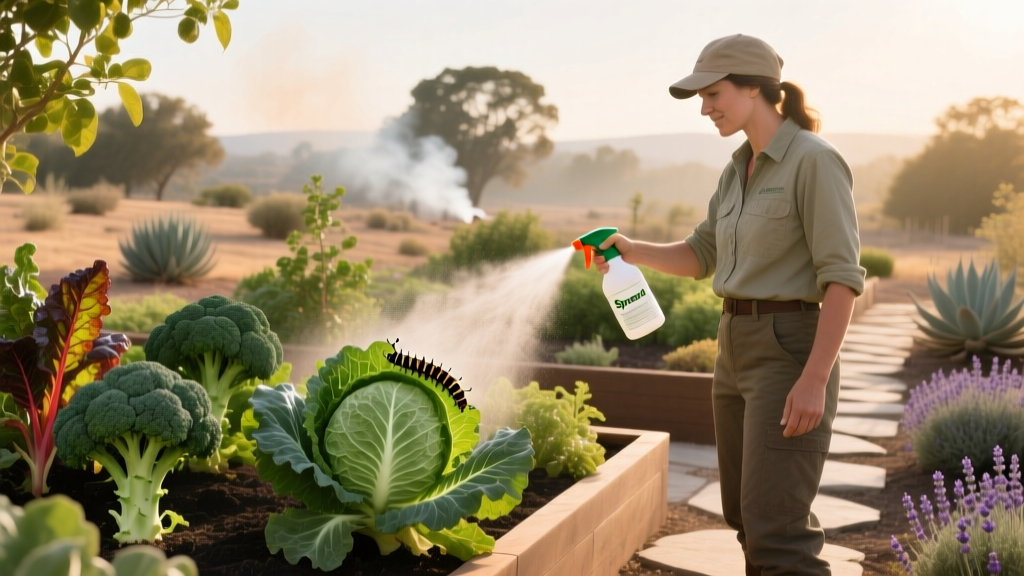
Spinosad For Vegetable Caterpillars: 2026 Fire-Safe Guide
David ParkPublished
The Intersection of Pest Control and Fire-Resistant Landscaping
As wildfire seasons grow more unpredictable and severe in 2026, homeowners in fire-prone regions are increasingly turning to fire-resistant landscaping to protect their properties. A core component of this strategy is creating 'defensible space'—a carefully managed buffer zone around your home designed to slow the spread of flames. While many gardeners assume that fire-safe landscaping means replacing lush gardens with sterile hardscaping or drought-tolerant succulents, edible vegetable gardens actually play a vital role in modern defensible space design when properly maintained.
Vegetables are naturally high-moisture plants. When placed in the heavily irrigated 'Zone 1' (the first 30 feet immediately surrounding your home), a thriving vegetable garden acts as a green, fire-retardant barrier. However, this fire-safe strategy completely falls apart if your crops are decimated by pests. Caterpillars, such as the tomato hornworm and the cabbage looper, can skeletonize a plant in a matter of days. What was once a lush, moisture-rich firebreak is quickly reduced to dry, brittle stems and highly combustible frass (insect feces). To maintain the fire-resistant integrity of your edible landscape, effective and organic pest control is not just an agricultural preference; it is a critical wildfire mitigation strategy.
Why Spinosad is the 2026 Standard for Organic Caterpillar Control
When managing pests in a fire-safe landscape, the products you use matter. Synthetic chemical pesticides can sometimes harm the broader ecosystem, including the beneficial soil microbes that help retain moisture in your defensible space. Furthermore, some organic alternatives, like heavy horticultural oils, can leave flammable residues on foliage if misapplied during peak summer heat.
Enter Spinosad. Derived from the naturally occurring soil bacterium Saccharopolyspora spinosa, Spinosad has become the gold standard for organic caterpillar control in 2026. It works by overstimulating the insect's nervous system, causing paralysis and death within 48 hours. It is highly effective against a wide range of leaf-eating larvae, including:
- Tomato and Tobacco Hornworms: Notorious for stripping solanaceous crops down to bare, dry stems.
- Cabbage Loopers and Imported Cabbageworms: Pests that decimate brassicas, turning moisture-rich leaves into lace-like, flammable debris.
- Armyworms and Cutworms: Ground-dwelling caterpillars that sever young plant stems, killing the plant and instantly creating dry ground fuel.
According to the University of California Statewide Integrated Pest Management Program, Spinosad is prized for its low toxicity to mammals and its rapid breakdown in sunlight, making it an exceptionally safe choice for residential zones where children and pets play.
How to Apply Spinosad in Your Fire-Safe Vegetable Garden
Applying Spinosad correctly ensures that your vegetable canopy remains dense, green, and full of the water content necessary to resist ember ignition. In 2026, popular and highly refined formulations like Captain Jack's Deadbug Brew and Monterey Garden Insect Spray are widely available and optimized for home garden use.
Step 1: Timing is Everything
Spinosad is highly toxic to bees when wet, but once it dries (usually within 3 hours), it is virtually harmless to pollinators. To protect the beneficial insects that keep your garden ecosystem balanced, always apply Spinosad in the late evening or at dusk. This also prevents the liquid from evaporating too quickly in the hot afternoon sun, ensuring the caterpillars ingest a lethal dose when they resume feeding at night.
Step 2: Mixing and Application Rates
For most liquid concentrate formulations in 2026, the standard dilution rate for heavy caterpillar infestations is 4 tablespoons (2 fluid ounces) per gallon of water. Always read the specific label of your chosen product. Use a pump sprayer to apply a fine mist, ensuring you thoroughly coat the undersides of the leaves, where caterpillars prefer to hide and feed.
Step 3: Reapplication and Rainfastness
Spinosad is rainfast once dry, but in an irrigated Zone 1 defensible space, you are likely watering your vegetables frequently. Reapply every 7 to 10 days during peak caterpillar season, or immediately after heavy overhead irrigation. Do not exceed six applications per season to prevent pest resistance.
2026 Caterpillar Control Comparison Chart
When designing a fire-resistant landscape, every input must be evaluated for both pest efficacy and fire safety. Below is a comparison of common organic caterpillar controls and how they interact with fire-safe landscaping principles.
| Treatment | Target Pests | Fire-Safe Compatibility | Pollinator Safety (When Dry) | Residual Effect |
|---|---|---|---|---|
| Spinosad | Hornworms, Loopers, Armyworms | Excellent: Water-based, leaves no flammable residue on foliage. | High | 7-10 Days |
| Bt (Bacillus thuringiensis) | Small caterpillars, Loopers | Excellent: Biological bacteria, zero fire risk. | High | 3-5 Days (UV degrades quickly) |
| Neem Oil | Aphids, Mites, some Caterpillars | Moderate: Oil-based. Can increase foliage burn risk in extreme heat if misapplied. | Moderate | 5-7 Days |
| Pyrethrin | Broad spectrum insects | Good: Botanical extract, but highly toxic to beneficial aquatic life and bees. | Low (Highly toxic to bees) | 1-2 Days |
As the chart illustrates, Spinosad offers the best balance of aggressive caterpillar control and safety for your high-moisture, fire-resistant plant canopy. While Bt is also excellent, it degrades rapidly in UV light and often fails against larger, older caterpillars like mature hornworms. Neem oil, while a fantastic fungicide, introduces oils to the leaf surface that can theoretically lower the ignition point of the foliage during extreme, dry wind events if not properly emulsified and absorbed.
Maintaining Moisture and Minimizing Fuel Loads
Using Spinosad to stop caterpillars is only half the battle. To truly align your vegetable garden with the defensible space guidelines recommended by wildfire preparedness organizations, you must manage the physical environment around your plants.
Strategic Mulching for Fire Resistance
Caterpillars often drop to the soil to pupate, and gardeners traditionally use thick layers of straw or wood chips to retain moisture and disrupt their life cycle. However, in a fire-resistant landscape, dry straw and pine bark are considered highly flammable 'fine fuels.' Instead, use compost, pea gravel, or crushed rock as mulch in your Zone 1 vegetable beds. These materials retain soil moisture, deny caterpillars a fluffy place to hide, and will not ignite if a stray ember lands in your garden bed.
Sanitation: Removing the Tinder
Even with Spinosad applications, some foliage damage is inevitable. Caterpillar frass and dead, skeletonized leaves accumulate on the soil surface. In a traditional garden, this is just compost. In a fire-safe landscape, this is dry tinder. Practice rigorous garden sanitation by raking up dead plant matter and frass weekly. Dispose of it in a sealed green waste bin rather than letting it dry out in open compost piles near your home.
Protecting Pollinators in the Fire-Safe Garden
A healthy, fire-resistant landscape relies on a robust local ecosystem. Pollinators are essential for the fruiting of many vegetables, and their presence indicates a thriving, biodiverse environment. The Xerces Society for Invertebrate Conservation heavily advocates for the careful, targeted use of Spinosad to minimize non-target impacts. By restricting your spraying to the evening hours and avoiding the treatment of plants that are currently in full bloom (or by pinching off the flowers of brassicas and leafy greens before spraying), you can eliminate destructive caterpillars without harming the native bees that sustain your local environment.
Conclusion: A Green, Safe, and Productive 2026
Integrating a vegetable garden into your fire-resistant landscape is a brilliant way to utilize your irrigated defensible space productively. However, the fire-retardant qualities of your edible plants are entirely dependent on their health and moisture content. By utilizing Spinosad spray as your primary defense against caterpillars in 2026, you ensure that your tomatoes, peppers, and brassicas remain lush, green, and full of water. Combined with non-flammable mulching and diligent garden sanitation, your vegetable patch will serve as a beautiful, productive, and highly effective barrier against the threat of wildfire.