Pest Control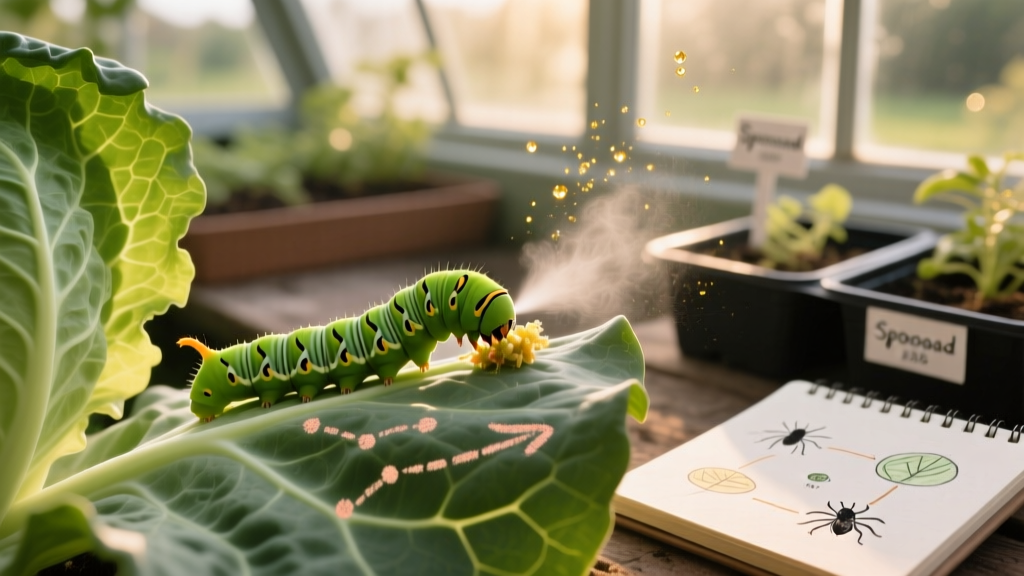
Documenting Spinosad Caterpillar Control in 2026: A Visual Guide
James MillerPublished
The Intersection of Pest Management and Garden Photography
Welcome to 2026, where the modern vegetable garden is as much a data-gathering laboratory as it is a food source. For the meticulous gardener, pest control is no longer just about spraying and hoping for the best; it is about rigorous documentation, visual tracking, and integrated pest management (IPM). When dealing with voracious vegetable caterpillars, combining macro photography with targeted organic treatments like Spinosad creates a powerful feedback loop. By visually documenting pest damage and treatment efficacy, you build a personalized garden archive that informs your planting and spraying strategies for years to come.
In this comprehensive guide, we will explore how to leverage garden photography to identify caterpillar infestations, properly apply Spinosad-based sprays, and track the recovery of your vegetable crops through a structured visual journal.
Gear Up: Macro Photography for Pest Identification
Before you can treat a pest, you must accurately identify it. Caterpillars often hide on the undersides of leaves or blend in with stems, making high-quality macro photography an essential scouting tool. In 2026, high-resolution mirrorless sensors (ranging from 45MP to 61MP) allow for extreme cropping, meaning you can capture a wide shot of a damaged tomato plant and crop in to count the exact number of hornworms present.
- Lenses: A dedicated 90mm to 105mm macro lens is ideal. It provides a 1:1 magnification ratio and enough working distance so your shadow does not fall over the subject.
- Lighting: Caterpillars are often found in dense foliage where natural light is scarce. Use a portable LED ring light or a dual-point macro flash system. A polarizing filter is also crucial to cut the harsh glare off waxy cabbage and pepper leaves, revealing the true color and texture of the pest and its frass (droppings).
- Focus Stacking: To ensure the entire caterpillar is sharp against a blurred background, use in-camera focus bracketing. This is especially useful for documenting the intricate setae (hairs) on armyworms or the distinct V-shaped markings on tomato hornworms.
Identifying the Culprits: A Visual Damage Chart
Different caterpillars leave distinct feeding signatures. Documenting these signatures helps you confirm the pest before mixing your Spinosad spray. Below is a reference chart for common vegetable garden caterpillars in 2026:
| Caterpillar Species | Visual Identification Traits | Leaf Damage Signature | Spinosad Efficacy |
|---|---|---|---|
| Cabbage Looper | Pale green with white longitudinal stripes; moves in a looping arch. | Large, irregular holes in the center of brassica leaves. | High |
| Tomato Hornworm | Massive green body, white V-shaped lateral marks, posterior horn. | Severe defoliation; entire leaflets missing; chewed green fruit. | High |
| Armyworm | Dark green to brown with distinct lateral striping; smooth skin. | Skeletonized leaves; surface scraping on turf and low crops. | Moderate-High |
| Imported Cabbageworm | Velvety green with a faint yellow dorsal stripe; slow-moving. | Ragged holes starting from leaf edges; heavy, wet frass deposits. | High |
Why Spinosad is the 2026 Standard for Organic Control
Spinosad is a naturally derived substance produced by the soil-dwelling bacterium Saccharopolyspora spinosa. According to the National Pesticide Information Center, Spinosad targets the insect's nervous system, causing involuntary muscle contractions, paralysis, and eventual death within 24 to 48 hours. It is highly effective against leaf-eating caterpillars while remaining remarkably safe for mammals, birds, and most beneficial insects once it has dried.
For organic vegetable gardeners, Spinosad bridges the gap between harsh synthetic chemicals and ineffective home remedies. It is OMRI-listed, meaning it complies with organic standards, and breaks down rapidly in sunlight, usually within a few days.
Top Spinosad Products for the 2026 Season
When purchasing Spinosad, you will typically find it in liquid concentrate form. Two of the most reliable and widely available brands this year include:
- Monterey Garden Insect Spray: Contains 0.5% Spinosad. A 16-ounce bottle retails for approximately $22 to $26 in 2026 and treats a massive area. The standard mixing rate for caterpillars is 4 tablespoons per gallon of water.
- Bonide Captain Jack's Deadbug Brew: Another excellent concentrate featuring Spinosad. It is widely favored for its ease of use and clear labeling for vegetable crops, including tomatoes, peppers, and brassicas.
Documenting the Application: A Step-by-Step Visual Journal
To truly master IPM, you must track your interventions. Here is how to structure your 7-day Spinosad photo journal.
Day 1: Baseline Documentation and Application
The Photo: Capture wide shots of the affected plant, followed by macro shots of the specific caterpillar damage and the frass. Note the date, time, and weather conditions in your photo metadata or a physical garden notebook.
The Mix: Fill a 1-gallon pump sprayer with water. Add 4 tablespoons of your chosen Spinosad concentrate. Pro Tip: Add a few drops of a non-ionic surfactant or horticultural oil (if the product label permits) to help the spray stick to waxy leaves like cabbage and kale.
The Spray: Apply the Spinosad thoroughly, ensuring you coat the undersides of the leaves where caterpillars hide and lay eggs. Photograph your spray setup and the freshly coated leaves to document coverage.
Pro Tip: Always apply Spinosad in the late evening or at dusk. While Spinosad is highly toxic to bees when wet, it becomes safe for pollinators once it dries. Evening application ensures the spray dries overnight, protecting your local bee populations while targeting nocturnal feeders.
Day 3: The Efficacy Check
The Photo: Return to the plants with your macro lens. You are looking for the "hook" pose—a classic sign of Spinosad poisoning where the caterpillar curls into a tight C-shape, paralyzed and hanging off the leaf edge. Document these paralyzed pests. If you see active, healthy caterpillars, note them; a second application may be required in 5 to 7 days depending on the severity of the infestation.
Day 7: Recovery and New Growth
The Photo: Capture the new, unblemished foliage emerging from the plant's growing tips. Compare these images side-by-side with your Day 1 baseline photos. This visual evidence is incredibly rewarding and helps you calculate the exact return on investment for your pest control efforts.
Protecting Pollinators and Beneficial Insects
A core tenet of IPM, as outlined by Cornell University's Integrated Pest Management program, is minimizing harm to non-target organisms. While documenting your garden, you will likely photograph beneficial insects like parasitic wasps (which lay eggs inside hornworms) and ladybugs. Spinosad is generally safe for these predators once dry, but direct spraying must be avoided. By using your camera to scout for beneficial insect activity first, you can spot-treat only the heavily infested areas rather than blanket-spraying the entire garden.
Furthermore, always consult EPA's botanical pesticide guidelines to ensure you are handling and storing organic concentrates safely, keeping them out of direct sunlight and extreme heat to maintain their biological efficacy.
Building Your 2026 Garden Pest Archive
By the end of the growing season, your camera roll will be more than just a collection of pretty garden photos; it will be a scientific archive of your local micro-ecosystem. You will know exactly which weeks the cabbage loopers arrive, how quickly Spinosad halts their damage, and how your soil and plant health respond over time. In 2026, the most successful gardeners are those who observe closely, document relentlessly, and treat intelligently. Grab your camera, mix your Spinosad, and start building your visual pest management journal today.