Pest Control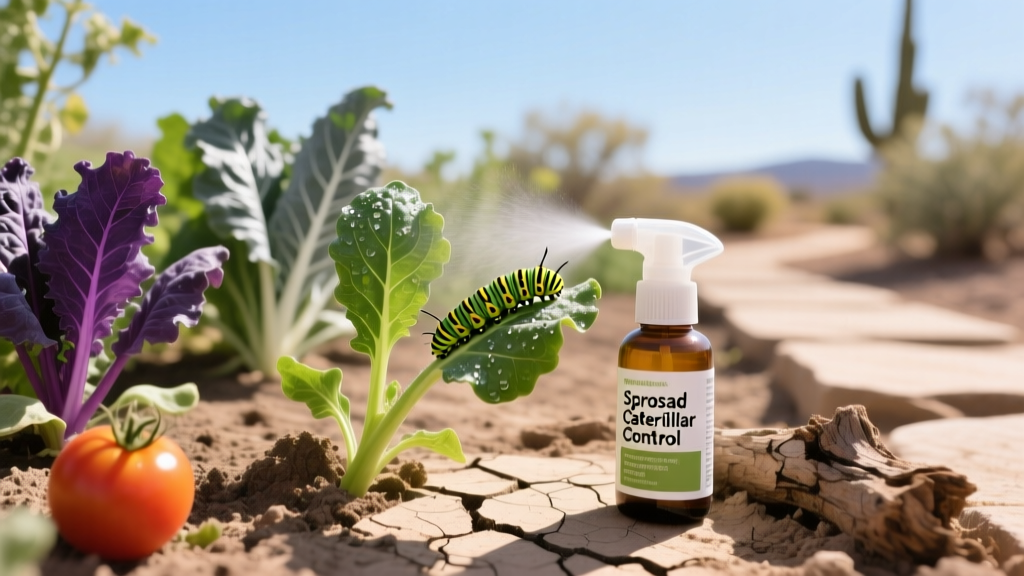
2026 Spinosad Guide: Caterpillar Control on Dryland Veggies
Mike RodriguezPublished
The Rise of the Xeriscape Vegetable Garden in 2026
As we navigate the prolonged drought cycles and stringent municipal water restrictions of 2026, xeriscaping has evolved far beyond ornamental succulents and gravel gardens. Today, the frontier of low-water landscaping is the xeriscape vegetable garden. By utilizing dryland farming techniques, deep mulching, and drought-tolerant crop varieties, home gardeners are successfully harvesting yields while drastically reducing their water footprint. However, growing vegetables in low-water environments presents a unique set of pest management challenges, particularly when it comes to voracious leaf-munching caterpillars.
When plants like Swiss chard, globe artichokes, kale, and certain heirloom tomatoes are grown in water-wise settings, they can experience mild, controlled drought stress. While this stress concentrates flavors and sugars—making your vegetables taste incredible—it also makes the foliage highly attractive to specific caterpillar species. To protect your low-water harvest without resorting to harsh synthetic chemicals that disrupt the fragile dryland soil microbiome, spinosad spray has emerged as the gold standard for organic integrated pest management (IPM) in 2026.
What is Spinosad and Why It Fits Low-Water Gardens
Spinosad is a naturally occurring substance derived from the soil-dwelling bacterium Saccharopolyspora spinosa. Discovered in an abandoned rum distillery, this organic compound acts as a potent neurotoxin to target insects upon ingestion and contact. According to the National Pesticide Information Research Center (NPIC), spinosad causes involuntary muscle contractions and paralysis in susceptible insects, leading to death within 24 to 48 hours.
For the xeriscape gardener, spinosad is a revelation. Dryland soils rely heavily on a robust, undisturbed fungal and bacterial microbiome to help plant roots access deep moisture and nutrients. Broad-spectrum synthetic pesticides can decimate these beneficial soil organisms. Because spinosad is OMRI-listed (Organic Materials Review Institute) and breaks down rapidly in the soil without leaving toxic residues, it preserves the delicate biological balance required for successful low-water landscaping.
The Synergy: Spinosad and Drip Irrigation
One of the most significant advantages of combining spinosad with xeriscape principles lies in your irrigation method. Traditional vegetable gardens often rely on overhead sprinklers, which wash foliar pesticide sprays off the leaves, rendering them useless and forcing gardeners to reapply frequently. This wastes both the product and precious water.
Xeriscape vegetable gardens, however, rely almost exclusively on sub-surface drip irrigation or targeted soaker hoses. As highlighted by water conservation experts at Texas A&M Water University, drip irrigation delivers moisture directly to the root zone, keeping the foliage completely dry. When you apply a spinosad foliar spray to a drip-irrigated xeriscape garden, the residue remains intact on the leaves for up to 14 days, providing extended caterpillar control without the risk of being washed away by overhead watering. This synergy makes spinosad incredibly cost-effective and efficient for the water-wise gardener.
Target Caterpillars in the Xeriscape Vegetable Garden
Not all vegetables thrive in low-water conditions, and the ones that do are often targeted by specific caterpillar pests. Below is a breakdown of the most common drought-tolerant vegetables and the caterpillars that threaten them in 2026.
| Drought-Tolerant Crop | Primary Caterpillar Pest | Damage Profile | Spinosad Efficacy |
|---|---|---|---|
| Globe Artichoke | Artichoke Plume Moth Larvae | Bore into developing buds, ruining the edible portion. | High (Apply at first sign of bud formation) |
| Swiss Chard & Kale | Cabbage Looper / Imported Cabbageworm | Create large, ragged holes in broad leaves. | Very High (Ingestion stops feeding immediately) |
| Dryland Tomatoes | Tomato Hornworm | Defoliate branches rapidly; scar green fruit. | Moderate to High (Best for smaller instars) |
| Amaranth & Quinoa | Beet Armyworm | Skeletonize leaves and bore into seed heads. | High (Requires thorough leaf coverage) |
Step-by-Step Application Guide for 2026
To maximize the effectiveness of spinosad in your low-water garden while minimizing environmental impact, follow this precise application protocol:
- Timing is Everything: Spinosad is highly toxic to bees when wet, but safe once dry. Always apply your spray at dusk or in the early evening after foraging pollinators have returned to their hives. By morning, the spray will be dry and pose minimal risk to bees.
- Mixing the Solution: Most liquid spinosad concentrates (such as Monterey Garden Insect Spray) require a mix rate of 4 tablespoons (2 fl oz) per gallon of water. Use a dedicated pump sprayer to ensure an even, fine mist.
- Foliar Coverage: Caterpillars often hide on the undersides of leaves. Spray until the foliage is thoroughly wet, paying special attention to the leaf undersides and the inner whorls of plants like artichokes and chard.
- Reapplication Schedule: In a drip-irrigated xeriscape, spinosad residue can last up to 14 days. Reapply only if you notice new caterpillar hatching or after heavy, unseasonal rainfall. Do not apply more than six times per growing season to prevent pest resistance.
Top Spinosad Products for the 2026 Season
The market for organic pest control has stabilized in 2026, offering several highly effective, OMRI-listed spinosad formulations. Here are the top choices for xeriscape vegetable gardeners:
- Monterey Garden Insect Spray (Spinosad 0.5%): The industry standard for home gardeners. A 16 oz bottle retails for approximately $24.99 in 2026 and yields enough mixed solution to treat a large dryland vegetable plot multiple times. It contains no extra surfactants, making it safe for sensitive xeriscape herbs.
- Bonide Captain Jack's Deadbug Brew: Available in both concentrate and ready-to-spray formats. The 32 oz ready-to-spray hose-end attachment is excellent for large artichoke or chard patches where pump-spraying is tedious. Expect to pay around $18.50 for the ready-to-spray version.
- Espoma Organic Insect Control: A newer formulation that combines spinosad with a natural horticultural oil base, providing dual-action control against both caterpillars and soft-bodied insects like aphids that may attack drought-stressed plants. Priced at $21.99 for a 16 oz concentrate.
Protecting Dryland Pollinators and Beneficials
In xeriscape environments, every drop of water and every beneficial insect counts. Dryland gardens often rely on native pollinators, such as mason bees and sweat bees, which are crucial for fruit set in crops like tomatoes and peppers. The Environmental Protection Agency (EPA) emphasizes that while spinosad is an organic compound, it must be used judiciously to protect non-target organisms.
Once spinosad dries on the leaf surface (usually within 1 to 2 hours), it becomes practically non-toxic to bees and most beneficial predatory insects like ladybugs and lacewings. However, it remains toxic to aquatic invertebrates. If your xeriscape features a dry creek bed that occasionally channels rainwater to a pond or water feature, take care to avoid spray drift into those areas.
Furthermore, to support a holistic IPM approach, plant drought-tolerant insectary borders around your vegetable beds. Herbs like yarrow, lavender, and Russian sage require almost no supplemental water once established, yet they provide vital nectar for parasitic wasps—the natural predators of caterpillars. By combining these beneficial habitats with targeted, evening applications of spinosad, you create a resilient, self-regulating ecosystem.
Conclusion
Growing a productive vegetable garden in a low-water, xeriscaped environment is one of the most rewarding challenges a modern gardener can undertake. By leveraging the natural synergy between drip irrigation and organic foliar sprays, you can effectively manage devastating caterpillar populations without compromising your water conservation goals. Spinosad remains a vital tool in the 2026 gardener's arsenal, offering powerful, OMRI-listed protection that respects the delicate balance of dryland soils and native pollinators. Apply it wisely, time your sprays with the setting sun, and enjoy a bountiful, water-wise harvest.