Pest Control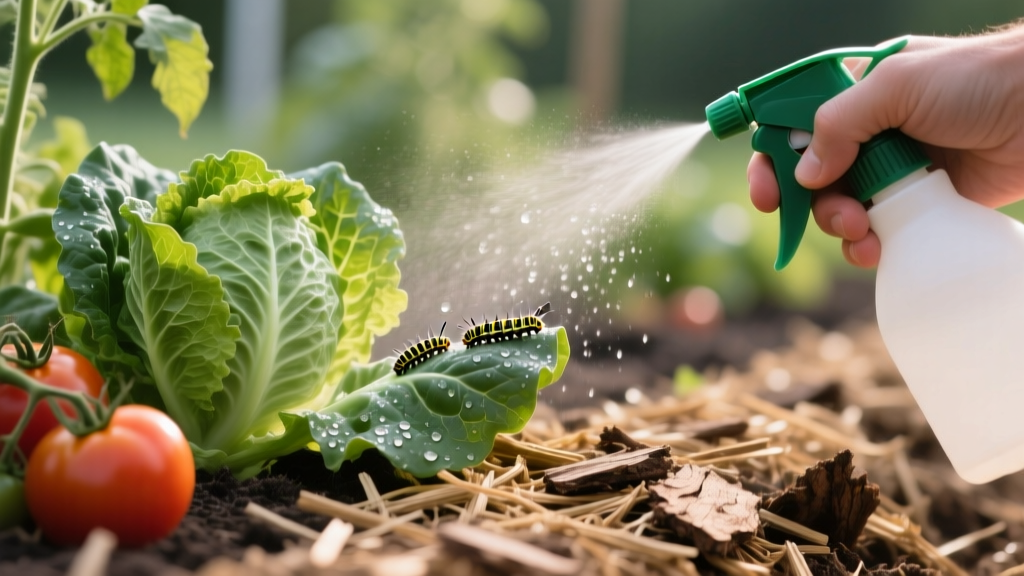
Spinosad Spray And Mulch: 2026 Caterpillar Control Guide
Sarah ChenPublished
Introduction to 2026 Caterpillar Management
As we navigate the 2026 growing season, home gardeners and small-scale farmers continue to face relentless pressure from defoliating caterpillars. Whether you are battling the insatiable tomato hornworm, the elusive cabbage looper, or the devastating fall armyworm, protecting your vegetable crops requires a strategic, multi-layered approach. Integrated Pest Management (IPM) emphasizes combining biological, cultural, and chemical controls to minimize crop damage while preserving ecological balance. One of the most effective organic-approved chemical controls available today is Spinosad. However, the efficacy of Spinosad spray is deeply intertwined with your cultural practices—specifically, your mulching methods and materials.
Mulch is a cornerstone of vegetable garden health, regulating soil temperature, retaining moisture, and suppressing weeds. Yet, the type of mulch you choose can either harbor caterpillar pupae or act as a physical barrier against their life cycle. Furthermore, mulch materials can intercept foliar sprays, alter microclimate humidity, and influence how long Spinosad remains active on plant foliage. In this comprehensive guide, we will explore how to seamlessly integrate Spinosad applications with the best mulching strategies for 2026 to achieve unparalleled caterpillar control.
The Science of Spinosad: A Brief Overview
Spinosad is a natural substance derived from the soil-dwelling bacterium Saccharopolyspora spinosa, which was originally discovered in a Caribbean rum distillery in the 1980s. According to the National Pesticide Information Center (NPIC), Spinosad works by overstimulating the nervous system of target insects, leading to paralysis and death. It is highly effective against caterpillars (Lepidoptera larvae), leafminers, and thrips, while remaining relatively safe for most beneficial insects once it has dried on the leaf surface.
Because Spinosad must be ingested or contacted by the pest, thorough coverage of the plant canopy is essential. Caterpillars often feed on the undersides of leaves or hide deep within the whorls of crops like corn and cabbage. If your mulching strategy creates a dense, humid microclimate or physically blocks your spray from reaching the lower canopy, you will see a significant drop in pest mortality rates.
How Mulching Materials Influence Caterpillar Populations
To understand how mulch interacts with pest control, we must first look at the caterpillar life cycle. Many common garden pests, including the tomato hornworm (Manduca quinquemaculata) and the tobacco hornworm (Manduca sexta), drop to the soil to pupate. They burrow into the top few inches of soil, overwinter or rest, and eventually emerge as large sphinx moths to lay the next generation of eggs on your crops. The EPA's Integrated Pest Management Principles highlight that disrupting the pest's life cycle through cultural controls—like mulching and tillage—is a primary defense mechanism.
Straw and Hay Mulch
Straw is a traditional, affordable mulch that excels at moisture retention and keeping low-hanging fruit clean. However, straw provides excellent cover for caterpillars that drop to the soil to pupate. The loose structure of straw allows hornworms and armyworm pupae to hide safely from predatory birds and ground beetles. When using straw, you must be vigilant about pulling back the mulch near the base of heavily infested plants to manually remove pupae or apply targeted soil treatments.
Reflective Plastic Mulch
Reflective plastic mulch (often silver or aluminum-colored) is a game-changer for caterpillar management in 2026. Not only does it create an impenetrable physical barrier that prevents caterpillars from burrowing into the soil to pupate, but it also repels incoming egg-laying moths. The disorienting reflection of UV light confuses flying insects, significantly reducing the number of eggs laid on your crops. When paired with Spinosad foliar sprays, plastic mulch ensures that no chemical is wasted by absorbing into organic matter, and it allows for easy cleanup of fallen, diseased leaves.
Wood Chips and Bark
While wood chips are excellent for perennial garden beds and pathways, they are generally not recommended for annual vegetable crops. Wood chips can tie up soil nitrogen as they decompose and create a thick, spongy layer that intercepts Spinosad spray if you are attempting to treat the lower stems or soil line. Furthermore, the deep crevices in bark mulch provide ideal hiding spots for pests and can harbor fungal diseases that weaken plants, making them more susceptible to caterpillar feeding.
Living Mulch (Cover Crops)
Living mulches, such as white clover or creeping thyme planted between vegetable rows, offer incredible soil health benefits. However, they increase ambient humidity around the lower canopy of your crops. Spinosad is susceptible to rapid degradation under high UV light, but excessive moisture and high humidity can also wash the product off the leaves or promote fungal issues that complicate pest identification.
Mulch Materials Comparison Chart
| Mulch Material | Pupation Barrier | Moisture Retention | Spinosad Compatibility |
|---|---|---|---|
| Straw / Hay | Low | High | Moderate (Can intercept lower canopy spray) |
| Reflective Plastic | High | N/A (Impermeable) | Excellent (No absorption, repels moths) |
| Wood Chips / Bark | Moderate | Moderate | Low (Absorbs spray, not ideal for annuals) |
| Living Mulch (Clover) | Low | High | Moderate (High humidity may affect drying time) |
| Compost / Leaf Mold | Low | High | High (Breaks down into soil, minimal spray interference) |
Top Spinosad Formulations for 2026 Vegetable Gardens
The market for organic pest control has expanded, and several highly refined Spinosad products are available for the 2026 season. When purchasing, look for the OMRI (Organic Materials Review Institute) listed seal if you are growing certified organic vegetables.
- Monterey Garden Insect Spray: A staple for home gardeners, containing 0.5% Spinosad. It is highly effective against hornworms and loopers. Current 2026 pricing averages around $18 to $22 per 16 oz bottle, which makes dozens of gallons of spray.
- Bonide Captain Jack's Deadbug Brew: Another excellent OMRI-listed option, widely available in ready-to-spray and concentrate forms. It includes a built-in surfactant in some formulations, helping the spray adhere to the waxy leaves of brassicas (cabbage, broccoli, kale).
- Ferti-lome Borer, Bagworm, Leafminer & Tent Caterpillar Killer: A slightly more concentrated formulation that is excellent for heavy infestations and larger garden perimeters.
Step-by-Step Application: Combining Mulch and Spray
To maximize the efficacy of your Spinosad spray while utilizing organic mulches like straw or compost, follow this IPM-aligned protocol:
- Prep the Mulch Layer: Before spraying, pull the mulch back 3 to 4 inches from the main stem of your vegetable plants. This creates a 'mulch-free zone' that allows you to inspect the soil for burrowing pupae and prevents the mulch from absorbing the spray runoff.
- Prune Lower Foliage: Remove the bottom 6 inches of leaves on indeterminate tomatoes and peppers. This eliminates the 'splash zone' where soil-borne diseases and mulch-dwelling pests initiate contact with the plant, and it ensures your spray reaches the active feeding zones.
- Mix with a Spreader-Sticker: Caterpillars feeding on waxy crops like kale and cabbage are protected by the leaf's natural cuticle. Adding an organic non-ionic surfactant or spreader-sticker to your Spinosad mix ensures the product coats the leaf evenly rather than beading up and rolling off into the mulch below.
- Target the Undersides: Use a pump sprayer with an adjustable nozzle set to a fine mist. Spray upward from the base of the plant, ensuring the undersides of the leaves—where cabbage loopers and hornworms prefer to feed and hide—are thoroughly coated.
- Replace the Mulch: Once the spray has completely dried on the foliage (usually 1 to 2 hours), gently push your straw or compost mulch back into place around the base of the plant to resume moisture retention.
Irrigation Synergy: Drip Lines Under Mulch
One of the most critical mistakes gardeners make is using overhead sprinklers after applying a foliar insecticide. Water degrades Spinosad and washes it off the leaves, rendering it useless and pushing the chemical down into your mulch layer where it can affect non-target ground organisms. In 2026, the gold standard for vegetable garden IPM is running drip irrigation lines beneath your mulch layer. This delivers water directly to the root zone, keeps the foliage completely dry, preserves the Spinosad residue on the leaves for up to 14 days, and drastically reduces the humidity that fosters powdery mildew and blight.
Protecting Pollinators and Beneficial Insects
While Spinosad is a naturally derived product, it is highly toxic to bees and other pollinators when wet. The EPA and various university extension programs strictly advise against spraying Spinosad during the heat of the day or when crops are in full bloom and bees are actively foraging. Always apply your Spinosad spray in the late evening or at dusk. By the time the sun rises and pollinators return to your vegetable garden, the spray will have dried into the leaf tissue, making it virtually safe for bees, ladybugs, and lacewings. Furthermore, by maintaining a diverse garden with flowering trap crops planted away from your main vegetable beds, you can support a robust population of parasitic wasps (Trichogramma species), which naturally lay their eggs inside caterpillar eggs, providing a powerful biological control that works in tandem with your chemical and mulching strategies.
Conclusion
Mastering caterpillar control in the 2026 vegetable garden requires looking beyond the spray bottle. By understanding how your chosen mulch materials interact with the life cycle of pests and the physical properties of Spinosad, you can create a hostile environment for hornworms and loopers while maintaining a thriving, moisture-rich soil ecosystem. Whether you opt for the impenetrable barrier of reflective plastic or the soil-building benefits of compost paired with strategic mulch-pulling, combining these cultural practices with targeted, evening applications of Spinosad will ensure your harvest remains abundant, healthy, and pest-free.