Pest Control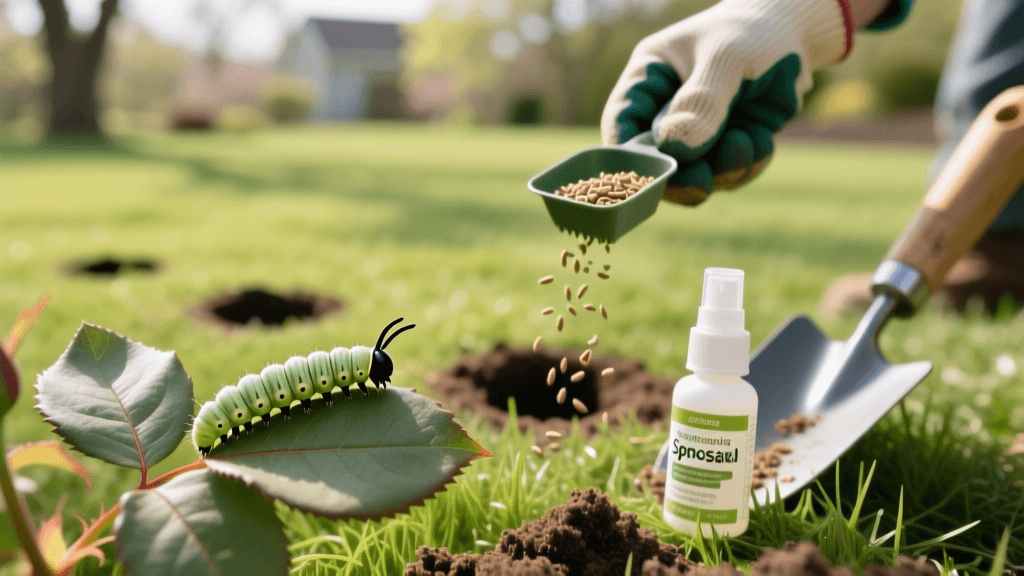
2026 Rose Sawfly & Spinosad Guide: Lawn Aeration Tips
The Intersection of Rose Care and Lawn Aeration in 2026
As a dedicated lawn care enthusiast, you might wonder why a guide focused on turf aeration and seeding is discussing the intricacies of rose sawfly management. The answer lies in the holistic ecology of your landscape. In 2026, modern integrated pest management (IPM) and turfgrass science recognize that your yard is a single, interconnected ecosystem. When you core aerate and overseed your lawn in the spring or fall, you drastically alter the watering schedule, soil hydrology, and microbial dynamics of your entire property.
Roses bordering these lawns are directly impacted by the increased irrigation required for seed germination. This constant moisture can trigger pest outbreaks or cause pesticide runoff into your newly prepared seedbed. Managing rose sawflies with Spinosad requires precise timing to ensure your newly seeded lawn thrives without disrupting the delicate soil food web you are trying to establish through aeration. By understanding how to coordinate your ornamental pest control with your turf establishment schedule, you protect both your prized roses and your investment in a thick, healthy lawn.
Identifying Rose Sawfly Larvae (Rose Slugs)
Before you can treat a pest, you must accurately identify it. The "rose slug" is not actually a slug or a true caterpillar; it is the larval stage of a primitive wasp known as a sawfly (Hymenoptera). This distinction is critical for IPM. Many gardeners mistakenly apply Bacillus thuringiensis (Bt), a common organic caterpillar control, only to find it completely ineffective against sawflies. According to the University of Minnesota Extension, sawfly larvae possess six or more pairs of prolegs, whereas true caterpillars have a maximum of five pairs.
Rose sawfly larvae feed by skeletonizing the leaves, consuming the soft tissue between the veins and leaving behind a lace-like, translucent skeleton. If left unchecked, this damage severely reduces the plant's ability to photosynthesize, weakening the rose bush and making it more susceptible to fungal diseases like black spot, which thrive in the damp conditions often created by lawn irrigation systems.
| Feature | Rose Sawfly (Rose Slug) | Common Caterpillars (Lepidoptera) |
|---|---|---|
| Classification | Hymenoptera (Primitive Wasp) | Lepidoptera (Moth/Butterfly) |
| Prolegs | 6 or more pairs | Maximum of 5 pairs |
| Bt Susceptibility | Immune to Bacillus thuringiensis | Highly susceptible to Bt |
| Damage Pattern | Skeletonizing (leaves veins intact) | Chewing large holes or defoliating |
Why Spinosad is the Gold Standard in 2026
Once you have confirmed the presence of rose sawfly larvae, Spinosad is the most effective and ecologically responsible treatment available. Spinosad is a natural substance derived from the soil-dwelling bacterium Saccharopolyspora spinosa. It acts on the insect's nervous system, causing paralysis and death within one to two days of ingestion or contact. The National Pesticide Information Center (NPIC) notes that Spinosad is highly effective against chewing insects like sawflies while remaining relatively safe for mammals, birds, and most beneficial predatory insects once it has dried on the foliage.
For 2026 formulations, liquid Spinosad concentrates are preferred for rapid knockdown of active infestations. The standard mixing rate is typically 2 fluid ounces per gallon of water, but always verify the label instructions of your specific brand. Apply the spray in the early evening to minimize impact on foraging bees, as Spinosad is toxic to bees when wet but poses minimal risk once the foliar residue has completely dried.
Coordinating Spinosad with Lawn Aeration and Seeding
This is where the intersection of turf management and ornamental pest control becomes vital. Core aeration involves extracting 2-to-3-inch soil plugs to alleviate compaction, followed by overseeding to fill in bare patches. To ensure seed germination, you must water the lawn lightly two to three times a day for the first two weeks. This intense watering schedule creates a high risk for surface runoff.
If you apply Spinosad to your rose beds immediately before your lawn irrigation cycle, the excess water can wash the active ingredient off the rose foliage and into the freshly aerated seedbed. While Spinosad binds tightly to soil and is generally safe for earthworms—a crucial ally in maintaining aerated soil structure—concentrated runoff into a shallow seedbed can disrupt the delicate microbial inoculants and mycorrhizal fungi you may have applied to boost grass seed germination. Furthermore, Spinosad is highly toxic to aquatic invertebrates; if your lawn slopes toward a water feature or drainage ditch, runoff must be strictly avoided.
To prevent this, schedule your Spinosad applications for the late evening, after your final lawn watering cycle of the day has completed. This gives the product 8 to 12 hours to dry and bind to the waxy cuticle of the rose leaves before the morning irrigation cycle begins. Additionally, maintain a 12-inch buffer zone of mulch around your rose beds to absorb any incidental drip or runoff before it reaches the newly seeded turf.
Step-by-Step Integrated Management Plan
To successfully manage rose sawflies without compromising your lawn aeration and seeding efforts, follow this integrated schedule:
- Step 1: Aerate and Seed First. Complete your core aeration and overseeding while the soil is moist but not saturated. Apply your starter fertilizer and soil amendments.
- Step 2: Monitor the Roses. As you increase irrigation for the grass seed, inspect the undersides of your rose leaves for the small, green, slug-like sawfly larvae.
- Step 3: Time the Spray. Mix your Spinosad solution and apply it to the roses in the late evening, ensuring thorough coverage of the leaf undersides. Ensure no lawn irrigation is scheduled for the next 12 hours.
- Step 4: Manage the Mulch Buffer. Check the mulch ring around your roses. If it has washed away due to heavy sprinkler overlap, replenish it to a depth of 2 inches to filter any potential runoff away from the grass seed.
- Step 5: Evaluate and Repeat. Spinosad breaks down in sunlight over 7 to 14 days. If a second generation of sawflies emerges, reapply, but continue to coordinate with your lawn's transitioning watering schedule as the grass seed matures and requires deeper, less frequent watering.
By treating your lawn and garden as a unified system, you ensure that your aeration and seeding efforts yield a lush, resilient turf, while your roses remain vibrant and free from the devastating effects of sawfly larvae. For more information on maintaining optimal soil health during turf establishment, refer to the University of Minnesota Extension's guide on core aeration, which provides excellent foundational practices that complement a robust IPM strategy.