Pest Control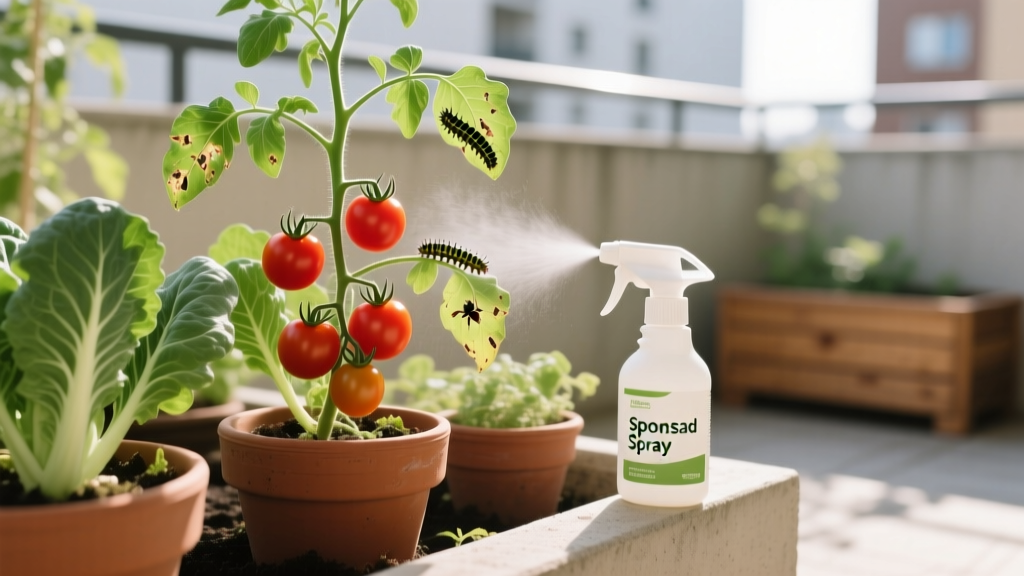
Spinosad Spray for Caterpillar Control on Potted Veggies 2026
Emily WatsonPublished
The Caterpillar Threat in Container Gardens
Container and pot gardening has seen a massive resurgence in 2026, with urban balconies, small patios, and rooftop spaces yielding impressive vegetable harvests. However, a common misconception among container growers is that elevation and isolation protect potted plants from severe pest infestations. In reality, moths are prolific fliers and can easily navigate up to high-rise balconies or across fenced patios to lay their eggs on your prized potted tomatoes, peppers, and brassicas. Once those eggs hatch, caterpillars like the tomato hornworm, cabbage looper, and armyworm can decimate a small container garden in a matter of days. Because container plants have a finite amount of soil and foliage, losing even 20% of a plant's leaf area can severely stunt its growth and reduce yields. This makes rapid, effective, and safe caterpillar control absolutely essential for pot growers.
What is Spinosad and Why is it the 2026 Standard?
Spinosad is a naturally derived insecticide produced by the soil-dwelling bacterium Saccharopolyspora spinosa. First discovered in a Caribbean rum distillery, it has become a cornerstone of organic pest management. According to the United States Environmental Protection Agency (EPA), Spinosad works by overstimulating the insect's nervous system, leading to paralysis and death. It is highly effective against leaf-eating caterpillars, thrips, and leafminers, while remaining relatively safe for mammals, birds, and most beneficial predatory insects when used as directed.
For the 2026 growing season, Spinosad remains the gold standard for organic container gardeners because it offers a unique dual-action mechanism: it kills caterpillars both through ingestion (when they eat treated leaves) and through direct contact. Furthermore, it is rainfast once dried, which is crucial for container gardens that may be subjected to frequent overhead watering or sudden balcony wind-blown rain.
Top Spinosad Products for Potted Vegetables in 2026
When shopping for Spinosad, you will notice that most consumer-grade liquid concentrates contain a 0.5% active ingredient concentration. This is perfectly suited for the small-scale mixing required for container gardens. Below is a comparison of the top-rated Spinosad products available in 2026, tailored for small-space growers.
| Product Name | Concentration | 2026 Avg. Price (8 oz) | Best Container Use Case |
|---|---|---|---|
| Monterey Garden Insect Spray | 0.5% Spinosad | $16.00 - $19.00 | Heavy infestations on potted tomatoes and peppers |
| Bonide Captain Jack's Deadbug Brew | 0.5% Spinosad | $13.00 - $16.00 | General caterpillar control on balcony brassicas |
| Ferti-lome Borer & Bagworm Spray | 0.5% Spinosad | $18.00 - $22.00 | Tough chewing pests on potted fruit trees and vines |
Note: Always check for the OMRI (Organic Materials Review Institute) listed seal on the bottle if you are strictly maintaining an organic container garden.
Step-by-Step Application Guide for Containers
Applying Spinosad in a container garden requires a different approach than treating a massive in-ground farm. You are dealing with microclimates, proximity to living spaces, and a high density of plants. Here is how to properly mix and apply Spinosad to your potted vegetables.
Step 1: Choose the Right Sprayer
For most balcony and patio gardens, a 1-gallon or 2-gallon pump-action tank sprayer is ideal. Hose-end sprayers are generally wasteful and create too much runoff for small container setups. A dedicated pump sprayer allows for precise targeting of the foliage without soaking your patio furniture or the surrounding soil.
Step 2: Precision Mixing
The standard mixing ratio for most 0.5% Spinosad concentrates is 2 fluid ounces per gallon of water. For a small container garden with only 5 to 10 pots, you likely only need half a gallon of mixed solution. In this case, mix 1 fluid ounce of Spinosad into 0.5 gallons of water. Always add the water to the tank first, then add the Spinosad concentrate to prevent excessive foaming. Shake the tank gently to ensure the solution is well-mixed.
Step 3: Targeted Spraying Technique
Caterpillars, particularly cabbage loopers and hornworms, tend to hide on the undersides of leaves or near the main stem of the plant. Spray the potted vegetables thoroughly until the foliage is wet but not dripping. Pay special attention to the lower canopy and the undersides of the leaves. Because container plants are often placed close together, ensure you are treating all susceptible plants in the vicinity, even if they do not yet show visible damage.
Step 4: Post-Application Care
Spinosad needs about 30 to 60 minutes to dry and become rainfast. Avoid watering your potted vegetables from above immediately after application. If you use a drip irrigation system in your pots, you can water the soil immediately without disturbing the foliar spray. Once dried, the residue will remain effective against chewing caterpillars for up to 7 to 10 days.
Pollinator Safety: Crucial for Balcony and Patio Growers
One of the most critical aspects of using Spinosad is understanding its relationship with pollinators. The National Pesticide Information Center (NPIC) notes that Spinosad is highly toxic to bees and other pollinators when the spray is still wet. However, once the spray has completely dried on the foliage (usually within 3 hours), the toxicity to bees drops to practically zero.
To protect the vital pollinators visiting your potted squash, tomatoes, and peppers, always apply Spinosad in the late evening or at dusk. By spraying after the sun has gone down and bee activity has ceased, the spray will have ample time to dry overnight. By the time the sun rises and the bees return to your balcony the next morning, the treated foliage is safe for them to visit. Never spray Spinosad directly onto open blossoms if it can be avoided; focus the application on the vegetative foliage where the caterpillars are actually feeding.
Spinosad vs. Bt (Bacillus thuringiensis) for Pots
Container gardeners often debate whether to use Spinosad or Bt (specifically Bt kurstaki) for caterpillar control. Both are organic, but they behave differently in a potted environment.
- Speed of Kill: Spinosad acts much faster. Caterpillars will stop feeding within hours and die within 1 to 2 days. Bt can take 3 to 5 days to kill the caterpillar, during which time the pest may continue to chew on your limited container foliage.
- UV Degradation: Bt breaks down very rapidly in direct sunlight, often losing effectiveness within 24 to 48 hours on exposed balcony plants. Spinosad has better residual activity and can remain effective on the leaf surface for up to a week, even in sunny patio conditions.
- Pest Spectrum: Bt only targets caterpillars. Spinosad targets caterpillars but will also eliminate thrips, leafminers, and spider mites, which are notorious for plaguing stressed potted plants during hot summer months.
For most container growers dealing with an active, damaging caterpillar infestation in 2026, Spinosad is the superior choice due to its speed and residual protection.
Troubleshooting: Why Caterpillars Might Survive
If you have applied Spinosad and still see active caterpillars 48 hours later, consider the following container-specific issues:
- Improper Coverage: Hornworms are masters of camouflage and often hide deep within the inner canopy of potted tomato plants. If the spray did not reach their hiding spot, they will not ingest the toxin.
- Alkaline Water: Spinosad can degrade rapidly if mixed with highly alkaline water (pH above 8.0). If your municipal tap water is very hard or alkaline, consider using filtered water or adding a mild pH buffer to your spray tank.
- Expired Product: Liquid Spinosad has a shelf life of about 1 to 2 years once opened. If you are using a leftover bottle from a previous season that was stored in a hot garage, the active bacteria may have degraded.
Integrated Pest Management (IPM) for Container Veggies
While Spinosad is an incredibly effective tool, the University of California Statewide Integrated Pest Management Program (UC IPM) emphasizes that chemical controls should be just one part of a broader strategy. For container gardens, IPM is highly manageable due to the small scale of the environment.
- Daily Scouting: Make it a habit to inspect the undersides of leaves every morning while checking soil moisture. Handpicking a single hornworm or crushing a cluster of cabbage white butterfly eggs takes seconds and prevents the need for spraying altogether.
- Physical Barriers: For small potted brassicas like kale or broccoli, using lightweight floating row covers secured with elastic bands around the pot rim can physically prevent moths from landing and laying eggs.
- Soil Management: Caterpillars like the tomato hornworm often drop to the soil to pupate. In container gardening, you have the distinct advantage of being able to completely replace the potting medium. At the end of the 2026 season, empty your pots, discard the old soil (or hot-compost it), and sanitize the containers with a 10% bleach solution to destroy any overwintering pupae before planting next year.
Harvest Intervals and Food Safety
One of the greatest benefits of Spinosad for home vegetable growers is its short Pre-Harvest Interval (PHI). Depending on the specific crop and the product label, you can typically harvest and eat your vegetables just 1 to 3 days after a Spinosad application. Always wash your harvested potted veggies thoroughly under running water before consumption. Because container gardens are often harvested continuously (such as picking individual cherry tomatoes or outer kale leaves), this short PHI ensures you do not have to halt your harvest for weeks at a time while waiting for a pesticide to clear the plant system.
Conclusion
Managing caterpillars in a container garden requires a balance of rapid intervention and environmental mindfulness. By utilizing Spinosad spray responsibly, mixing it accurately for small-batch applications, and timing your sprays to protect local pollinators, you can keep your potted vegetables thriving throughout the 2026 season. Combine this organic spray with diligent handpicking and end-of-season soil replacement, and your balcony or patio garden will remain a highly productive, pest-resistant oasis.