Pest Control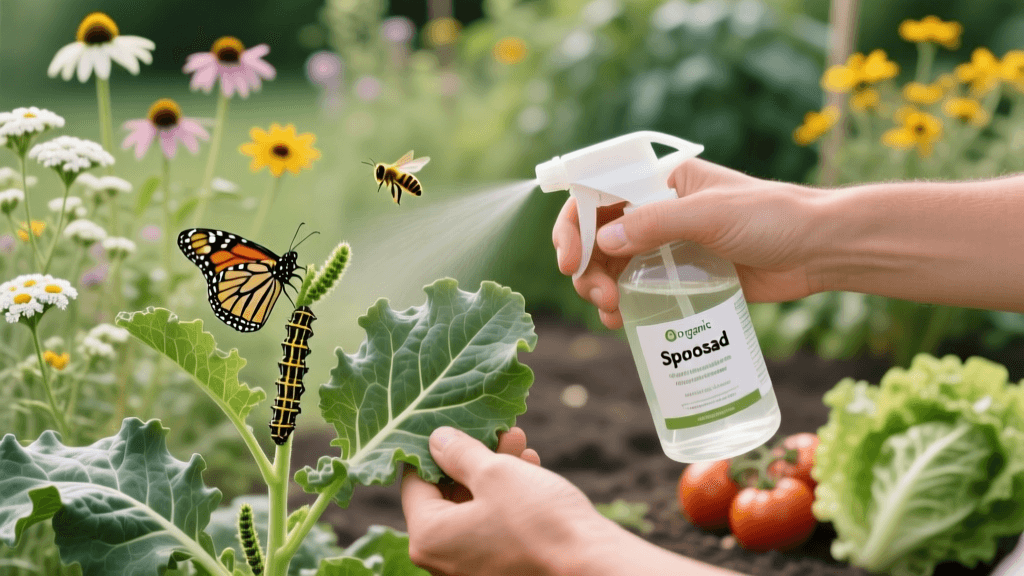
2026 Spinosad Caterpillar Control: Pollinator-Safe Tips
The Pollinator's Paradox: Caterpillars vs. Bees in 2026
Designing a thriving, pollinator-friendly vegetable garden requires a delicate balancing act. On one hand, you need robust populations of native bees, bumblebees, and butterflies to ensure your tomatoes, squash, and peppers produce a bountiful harvest. On the other hand, those same lush, leafy greens act as a magnet for destructive chewing pests like cabbage loopers, tomato hornworms, and imported cabbageworms. When hand-picking fails and your brassicas are being reduced to lace, organic gardeners often turn to Spinosad. However, as we navigate the 2026 growing season, understanding the nuanced relationship between Spinosad and pollinators is more critical than ever.
Spinosad is widely celebrated in organic gardening circles for its devastating efficacy against caterpillars and thrips. Yet, it harbors a hidden danger: it is highly toxic to bees and other beneficial insects when wet. The secret to integrating Spinosad into a pollinator-friendly garden design lies not in avoiding the product entirely, but in mastering the science of application timing, garden zoning, and integrated pest management (IPM). In this comprehensive guide, we will explore how to eradicate caterpillar infestations on your vegetables without sacrificing the pollinator corridors you have worked so hard to establish.
Understanding Spinosad: Nature’s Caterpillar Assassin
Spinosad is a natural substance derived from the soil-dwelling bacterium Saccharopolyspora spinosa, which was originally discovered in an abandoned rum distillery in the Caribbean. It works by overstimulating the nervous system of target insects, leading to paralysis and death within one to two days. It is particularly lethal to pests that consume treated foliage, making it the ultimate weapon against leaf-munching caterpillars.
According to the National Pesticide Information Center (NPIC), Spinosad is highly effective against a broad spectrum of lepidopteran larvae, including the notorious diamondback moth, armyworms, and corn earworms. Because it is a naturally derived compound, it is approved by the Organic Materials Review Institute (OMRI) for use in certified organic agriculture. However, 'organic' does not automatically mean 'harmless to all beneficial insects,' which brings us to the most important rule of using this compound in a pollinator-centric landscape.
The Golden Rule: Wet Toxicity vs. Dry Safety
The cornerstone of using Spinosad in a pollinator-friendly garden is understanding its toxicity profile regarding moisture. When Spinosad is sprayed and still wet on the leaf surface, it is acutely toxic to bees, wasps, and other pollinators that might land on the flowers or foliage. If a foraging bumblebee contacts wet Spinosad residue, the neurotoxin can be fatal.
However, once the spray has completely dried and the UV light begins to break down the surface residue, Spinosad becomes virtually non-toxic to adult pollinators. The Xerces Society for Invertebrate Conservation emphasizes that organic-approved pesticides like Spinosad must be applied with strict adherence to drying times to protect vulnerable bee populations. In the moderate temperatures and humidity levels typical of the 2026 summer season, Spinosad sprays generally require a minimum of three hours to dry completely and become safe for pollinator visitation.
2026 Caterpillar Control Comparison Chart
How does Spinosad stack up against other common organic controls? Below is a comparison of the top caterpillar treatments used in pollinator-friendly gardens this year.
| Treatment | Target Pests | Pollinator Impact (Wet) | Pollinator Impact (Dry) | Residual Effectiveness |
|---|---|---|---|---|
| Spinosad Spray | Caterpillars, Thrips, Leafminers | Highly Toxic | Safe | 7-14 Days |
| Bt (Bacillus thuringiensis) | Caterpillars only | Non-Toxic | Safe | 3-5 Days |
| Neem Oil | Soft-bodied insects, eggs | Moderately Toxic | Safe | 2-4 Days |
| Pyrethrin | Broad-spectrum insects | Highly Toxic | Moderately Toxic | 12-24 Hours |
As the chart illustrates, while Bt kurstaki is safer for pollinators even when wet, it degrades rapidly in sunlight and requires frequent reapplication. Spinosad offers a much longer residual effect, penetrating the leaf tissue slightly (translaminar movement), which protects it from being washed away by light rain and provides up to two weeks of caterpillar control.
Designing a Pollinator-Safe Garden Layout
A true pollinator-friendly garden design in 2026 goes beyond simply planting milkweed and borage; it involves strategic spatial planning to mitigate pesticide drift. If you know you will need to use Spinosad on your vegetable crops, you must design your garden with 'buffer zones' and 'pollinator sanctuaries.'
1. Establish Pollinator Sanctuaries
Dedicate specific beds or borders strictly for pollinator attractants—such as echinacea, zinnias, and native asters—and locate them upwind from your vegetable plots. These areas should never be treated with Spinosad or any other broad-spectrum organic spray. They serve as safe harbors where bees can forage without the risk of encountering chemical residues.
2. Implement Physical Buffers
Use physical barriers like trellises, tall ornamental grasses, or shade cloth between your vegetable beds and your pollinator borders. These structures help block wind-borne spray drift during evening applications, ensuring the Spinosad stays exactly where you intend it to go: on the cabbage and tomato leaves.
3. Separate Host Plants from Nectar Plants
Keep in mind that some pollinators, like the Monarch or Black Swallowtail, require specific host plants for their caterpillars. Never plant butterfly host plants (like dill, fennel, or milkweed) in the same bed as vegetables you intend to treat with Spinosad, as the spray will kill the beneficial butterfly larvae alongside the pest caterpillars.
Step-by-Step Evening Application Protocol
To protect the pollinator populations highlighted by the EPA, timing your Spinosad application is non-negotiable. Follow this strict evening protocol to ensure maximum pest control and zero pollinator harm.
- Monitor the Weather: Check your local 2026 forecast. Ensure there is no rain expected for at least 24 hours and that wind speeds will remain below 5 mph during the evening.
- Wait for Dusk: Do not spray until the sun has set and foraging bees have returned to their hives or nests. Late evening, just as the light fades, is the optimal window.
- Mix Accurately: Follow the 2026 label instructions precisely. For most liquid concentrates (like Bonide Captain Jack's Deadbug Brew), the standard rate is 2 fluid ounces per gallon of water. Agitate the sprayer tank continuously to keep the suspension mixed.
- Target the Foliage: Spray the upper and lower surfaces of the vegetable leaves where caterpillars hide and feed. Avoid spraying open blossoms whenever possible, even at night, to minimize residual buildup on the parts of the plant pollinators directly contact.
- Allow for the Drying Window: Ensure the plants have at least 3 to 4 hours of darkness and dry air before morning dew forms. By the time the sun rises and the bees begin their morning foraging flights, the Spinosad will be dry and safe.
Top Spinosad Formulations for 2026 Home Gardens
When shopping for Spinosad this season, you will encounter several trusted brands. Pricing in 2026 has stabilized, making these products highly accessible for home gardeners.
- Bonide Captain Jack's Deadbug Brew (16 oz): Retailing for approximately $17.99, this is the most popular ready-to-spray concentrate for home vegetable gardens. It includes a surfactant that helps the spray stick to waxy leaves like cabbage and kale.
- Monterey Garden Insect Spray (16 oz): Priced around $22.50, this formulation is highly concentrated and favored by gardeners with larger plots. It is OMRI-listed and excellent for severe hornworm and armyworm outbreaks.
- Ferti-lome Borer, Bagworm, Leafminer & Tent Caterpillar Spray: A great alternative for those who also need to protect nearby ornamental trees and shrubs that border the vegetable garden without harming the root-zone soil microbiome.
Integrating Spinosad into a Broader IPM Strategy
Even with pollinator-safe application methods, Spinosad should not be your first line of defense. A robust Integrated Pest Management (IPM) strategy prioritizes cultural and biological controls before reaching for the spray bottle. Begin your 2026 season by using floating row covers over your brassicas immediately after planting to physically block the white cabbage moth from laying eggs. Encourage beneficial predatory insects by allowing herbs like cilantro and dill to bolt and flower in your pollinator sanctuaries; these tiny blossoms attract parasitic wasps that naturally hunt caterpillars.
When you do spot the first signs of frass (caterpillar droppings) or chewed leaves, start with manual removal. Hand-picking hornworms and dropping them into soapy water is highly effective and carries zero risk to your garden's ecosystem. Reserve your Spinosad spray for moments when the infestation threatens to decimate your entire crop, and always apply it with the pollinator-safe evening protocol in mind.
Conclusion
Protecting your vegetable harvest from voracious caterpillars does not mean you have to sacrifice the health of your local bee and butterfly populations. By understanding the unique wet-to-dry toxicity profile of Spinosad, designing intentional buffer zones, and committing to strict dusk application protocols, you can maintain a highly productive, organic vegetable garden in 2026. Remember that a truly pollinator-friendly garden is a managed ecosystem where every intervention, from the plants you choose to the sprays you apply, is executed with the broader web of life in mind.