Home & Garden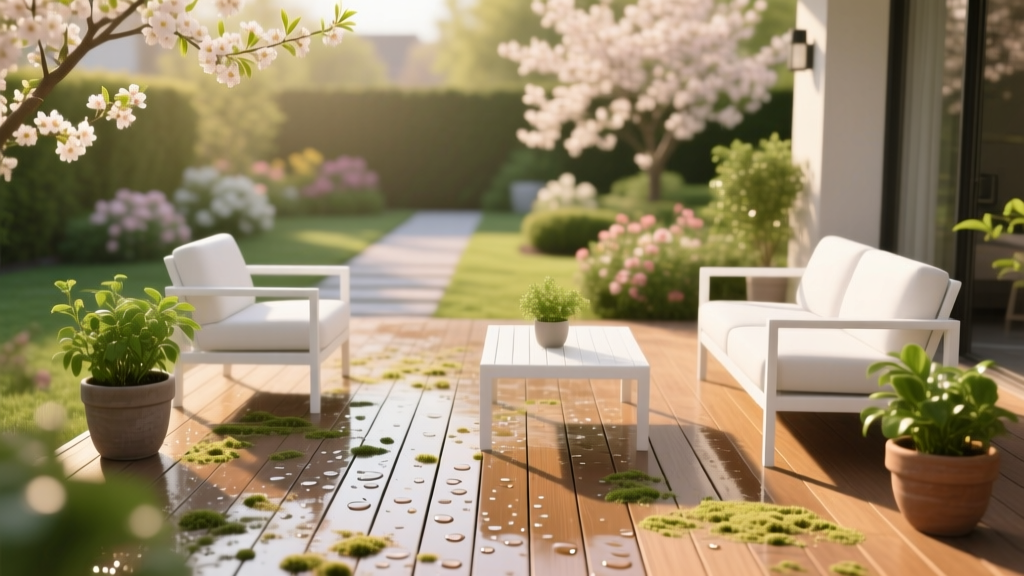
Spring Allergy-Proofing: Clean Decks and Patios for Health
Mike RodriguezPublished
The Hidden Health Risks of Neglected Outdoor Spaces
As the frost thaws and temperatures rise, homeowners eagerly anticipate returning to their decks, patios, and outdoor living areas. However, the transition from winter to spring brings more than just blooming flowers; it unveils a hidden layer of allergens, mold, and mildew that accumulated over the colder, damper months. Bridging the gap between indoor and outdoor living means recognizing that the health of your exterior spaces directly impacts your interior air quality and your family's respiratory well-being.
Outdoor mold spores, particularly Cladosporium and Alternaria, thrive in the damp, shaded crevices of wooden decks, concrete pavers, and patio furniture. When left untreated, these spores are easily tracked indoors on shoes and pet paws, or blown through open windows, compromising your indoor air quality. Furthermore, pollen grains settle deeply into the porous surfaces of unsealed wood and the woven fibers of outdoor rugs, creating a persistent trigger for seasonal allergies.
According to the Asthma and Allergy Foundation of America (AAFA), outdoor mold spores are a primary trigger for seasonal allergic rhinitis. The Environmental Protection Agency (EPA) also emphasizes that controlling moisture and eliminating mold reservoirs near your home's entryways and outdoor living spaces is a critical step in comprehensive allergy and asthma management.
Essential Tools and Eco-Friendly Cleaning Solutions
When tackling spring maintenance, the instinct is often to reach for harsh chemicals like chlorine bleach. While chlorine bleach kills surface mold on non-porous surfaces, it is highly detrimental to your respiratory health, toxic to nearby landscaping, and can actually damage the cellular structure of wood, leading to faster decay.
Instead, opt for Oxygen Bleach (Sodium Percarbonate). Brands like OxiClean Outdoor or Stain Solver are highly effective at lifting organic stains, killing mold roots, and neutralizing pollen without releasing toxic volatile organic compounds (VOCs) into the air you breathe.
Your Spring Cleaning Arsenal
- Oxygen Bleach Powder: 4 lb tub (Approx. $18 - $25)
- Soft-Bristle Deck Brush: Synthetic bristles to avoid scratching wood or composite materials ($15)
- Garden Pump Sprayer: 2-gallon capacity for even application ($20)
- HEPA-Filter Wet/Dry Vac: For removing dry pollen and debris before wetting ($60+)
- Microfiber Cloths and Mild Dish Soap: Dawn Ultra works excellently for resin and metal furniture ($4)
Step-by-Step Deck and Patio Deep Cleaning Guide
To properly allergy-proof your hardscapes, follow this systematic approach to ensure you are removing allergens rather than just spreading them around.
Step 1: Dry Removal and HEPA Vacuuming
Before introducing any moisture, thoroughly sweep your deck or patio. Better yet, use a HEPA-filter outdoor vacuum to suck up dry pollen, dead insects, and loose mold spores from the gaps between deck boards. Wetting dry pollen turns it into a paste that is much harder to extract from porous surfaces.
Step 2: Mixing and Applying the Oxygen Bleach Solution
In your garden sprayer, mix 1/2 cup of oxygen bleach powder per 1 gallon of warm water. Warm water activates the sodium percarbonate, releasing oxygen ions that break down organic matter. Generously spray the solution onto your wood, composite, or stone surfaces. Ensure the area remains saturated; do not let the solution dry out during the cleaning process.
Step 3: Dwell Time and Agitation
Allow the solution to dwell for 15 to 20 minutes. This gives the oxygen ions time to penetrate the pores of the wood or concrete and destroy the mold roots. Afterward, use your soft-bristle brush to scrub the surface, paying special attention to high-traffic areas and shaded corners where algae and mildew thrive.
Step 4: Low-Pressure Rinsing
Rinse the area thoroughly using a standard garden hose. Avoid using a high-pressure power washer (anything above 1,500 PSI), as this can gouge wood fibers and etch concrete, creating deeper crevices for future mold and pollen to hide in.
Reviving and Sanitizing Outdoor Furniture
Your outdoor furniture is a major trap for allergens. Wicker, resin, and especially fabric cushions harbor dust mites, pollen, and mold spores that can trigger asthma attacks when disturbed by sitting or wind.
Cleaning Hard Surfaces
For resin wicker and metal frames, create a cleaning bath using 1/4 cup of mild dish soap and 1 gallon of warm water. Use a soft sponge to wipe down every crevice. For stubborn mildew spots on hard surfaces, a 50/50 mix of white vinegar and water in a spray bottle is a highly effective, non-toxic spot treatment.
Sanitizing Outdoor Fabrics
Remove all cushion covers. Most premium outdoor fabrics, like Sunbrella, can be cleaned with a mixture of 1/4 cup mild soap and 1 gallon of lukewarm water. Use a soft bristle brush to work the suds into the fabric, then rinse completely and allow to air dry in direct sunlight. UV rays act as a natural disinfectant, helping to kill remaining bacteria and mold spores.
Comparison of Outdoor Cleaning Agents
| Cleaning Agent | Best Application | Health & Environmental Impact | Estimated Cost |
|---|---|---|---|
| Oxygen Bleach (Sodium Percarbonate) | Wood decks, stone pavers, outdoor fabrics | Non-toxic fumes, safe for nearby plants and soil | $15 - $25 (4 lb tub) |
| Chlorine Bleach (Sodium Hypochlorite) | Hard, non-porous surfaces (not recommended for wood) | Harsh respiratory irritant, toxic to landscaping | $5 - $10 (1 gallon) |
| White Vinegar (Acetic Acid 5%) | Spot treatment for mildew on resin furniture | Safe, natural, but strong temporary odor | $3 - $5 (1 gallon) |
Sealing and Preventative Maintenance
Cleaning is only half the battle. To maintain a healthy outdoor environment, you must seal the pores of your hardscapes to prevent moisture intrusion and future mold growth. Unsealed concrete wicks moisture from the soil, leading to efflorescence and a perpetual damp surface that breeds algae.
For Concrete and Stone: Apply a silane/siloxane penetrating sealer, such as the SX5000 Water Repellent Sealer (Approx. $60 per gallon). This sealer penetrates deep into the pores and creates a hydrophobic barrier below the surface, preventing water absorption without altering the natural look or slip-resistance of the patio.
For Wood Decks: Use a high-quality penetrating wood stain with zinc-nano particles, like Defy Extreme Penetrating Wood Stain (Approx. $55 per gallon). Zinc acts as a natural fungicide, actively inhibiting mold and mildew growth while protecting the wood from UV degradation. Apply this in late spring when daytime temperatures are consistently between 50°F and 80°F.
Smart Home Integration for Ongoing Health
Modern home and garden care extends into smart technology. Integrating a smart weather station, such as the Ambient Weather WS-2902 (Approx. $199), allows you to monitor localized outdoor humidity and temperature in real-time via your smartphone.
Mold and mildew require humidity levels above 60% to proliferate. By setting up automated routines through platforms like IFTTT or SmartThings, you can trigger alerts when your patio's ambient humidity remains dangerously high for extended periods. This data can prompt you to deploy automated patio awnings to block rain, turn on smart exterior ventilation fans in enclosed sunrooms, or remind you to cover your outdoor furniture before a prolonged damp spell. Furthermore, integrating smart irrigation controllers ensures your lawn and garden beds are not overwatered, reducing the overall ambient moisture near your outdoor living spaces and keeping the local mosquito and mold populations in check.
Conclusion
Treating your outdoor living space as an extension of your indoor environment is vital for seasonal health and wellness. By abandoning harsh chemicals in favor of oxygen-based cleaners, systematically extracting allergens from porous surfaces, and utilizing penetrating sealers and smart home technology, you create a sanctuary that is safe, beautiful, and breathable. This spring, take the time to deep clean and allergy-proof your deck and patio, ensuring that your garden-to-table dinners and evening relaxation sessions are completely free from respiratory irritants.
