Home & Garden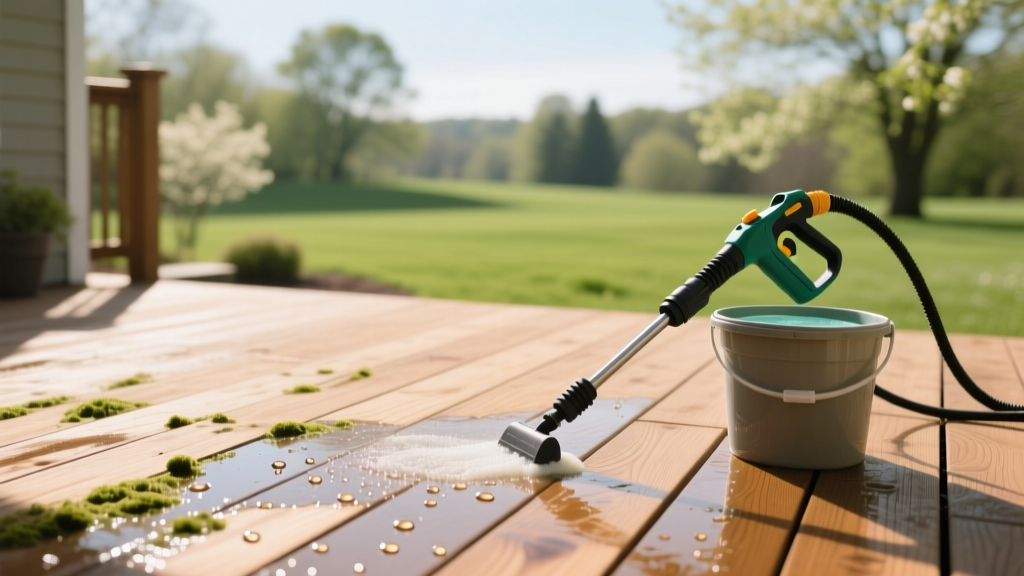
Spring Deck Deep Cleaning: Eliminating Mold and Outdoor Allergens
Robert HayesPublished
The Health Risks of Neglected Outdoor Living Spaces
As the weather warms and we transition to spending more time outdoors, your deck and patio become the bridge between your indoor sanctuary and your garden. However, after a long, damp winter, these outdoor living spaces can harbor hidden health hazards. Mold, mildew, algae, and trapped spring pollen don't just make your patio look unsightly; they pose genuine health risks and safety hazards for your family.
According to the Environmental Protection Agency (EPA), mold spores thrive in damp, shaded environments and can easily drift into your home through open doors and windows, triggering asthma attacks, allergic reactions, and respiratory irritation. Furthermore, the slick film of black algae that forms on composite and wooden decking is a leading cause of outdoor slip-and-fall injuries. A thorough spring deep clean is not merely an aesthetic chore—it is a critical seasonal maintenance task for your family's health and safety.
Step-by-Step Spring Deck and Patio Deep Cleaning
To restore your outdoor space and protect your garden-to-table planters, you must use the right techniques and products. Avoid harsh chlorine bleach, which can alter the soil pH of your nearby raised beds and harm beneficial mycorrhizal fungi.
Step 1: Clear, Sweep, and Inspect
Remove all outdoor furniture, rugs, and potted plants. Use a stiff-bristled push broom to sweep away loose debris, pine needles, and dirt. Inspect the deck for popped nails, loose screws, or rotting boards. Replace any compromised structural elements before applying water, which can seep into cracks and exacerbate wood rot.
Step 2: Apply an Eco-Friendly Oxygen Bleach Solution
For killing mold and lifting organic stains without harming your adjacent garden, oxygen bleach (sodium percarbonate) is the gold standard. Products like OxiClean Outdoor or Simple Green Oxy Solve break down into oxygen, water, and soda ash, making them safe for soil and pets.
- Mixing Ratio: 1 cup of powdered oxygen bleach per 1 gallon of warm water.
- Application: Apply with a garden sprayer or a stiff scrub brush.
- Dwell Time: Allow the solution to sit for 15 to 20 minutes. Do not let it dry on the surface.
Step 3: Safe Pressure Washing Techniques
Using too much pressure will scar wood fibers and void the warranty on composite decking. The University of Minnesota Extension recommends using the lowest pressure necessary to remove the dirt and mold.
- Softwoods (Cedar, Pine, Redwood): 500 to 800 PSI.
- Hardwoods (Ipe, Mahogany): 1200 to 1500 PSI.
- Composite Decking (Trex, TimberTech): Maximum 1500 PSI, using a 40-degree white fan tip.
- Concrete Patios: 2000 to 3000 PSI with a surface cleaner attachment.
Pro Tip: Always keep the wand moving and maintain a distance of at least 12 inches from the deck surface to prevent etching.
Deck Cleaning Agents Comparison Chart
Choosing the right cleaner depends on your decking material, the severity of the mold, and the proximity of your garden-to-table vegetable beds. Below is a comparison of common deck cleaning agents.
| Cleaner Type | Active Ingredient | Best For | Garden & Pet Safe? | Approx. Cost per Gallon |
|---|---|---|---|---|
| Oxygen Bleach | Sodium Percarbonate | Wood, Composite, Mold Removal | Yes | $10 - $15 |
| Chlorine Bleach | Sodium Hypochlorite | Concrete, Severe Algae | No (Toxic to plants) | $3 - $5 |
| Vinegar Solution | Acetic Acid (5-10%) | Light Mildew, Mineral Stains | Yes (in moderation) | $2 - $4 |
| Commercial Deck Wash | Alkyl Dimethyl Benzyl | Heavy Grime, Gray Weathering | Requires Rinsing | $15 - $25 |
Sealing and Protecting for Long-Term Health
Once your deck is clean and has dried completely (usually 48 to 72 hours of dry weather), it is vulnerable to UV damage and moisture intrusion. Sealing your deck prevents water from pooling and creating future mold breeding grounds.
Penetrating Oil vs. Film-Forming Sealers
For a healthier, low-maintenance outdoor space, opt for penetrating oil-based sealers (like Armstrong Clark or Defy Extreme). Unlike film-forming polyurethanes that peel and flake over time—requiring toxic chemical strippers to remove—oil sealers soak into the wood pores. They repel water while allowing the wood to breathe, significantly reducing the risk of trapped moisture and internal rot.
- Application Tool: High-quality synthetic brush or airless sprayer.
- Coverage: 200 to 300 square feet per gallon.
- Cost: $40 to $65 per gallon.
- Timing: Apply when temperatures are between 50°F and 85°F, and avoid direct midday sunlight to prevent flash-drying.
Deep Cleaning Outdoor Cushions and Umbrellas
Outdoor fabrics, such as Sunbrella, are treated to resist water and stains, but they still trap pollen, dust mites, and mold spores. Neglecting your cushions can reintroduce allergens to your freshly cleaned deck.
- Spot Cleaning: Mix 1/4 cup of mild liquid dish soap (like Dawn) per gallon of lukewarm water. Use a soft bristle brush to scrub the fabric, allowing the solution to soak in for 15 minutes.
- Mold Removal on Fabric: For stubborn mildew, add 1 cup of white vinegar to the soap mixture. Vinegar is a mild acid that kills 82% of mold species and is safe for most outdoor acrylics.
- Rinsing and Drying: Rinse thoroughly with a garden hose until all soap residue is gone. Soap residue attracts dirt and accelerates future mold growth. Always air-dry cushions completely in direct sunlight before placing them back on your furniture.
Managing Allergens and Pests at the Patio Perimeter
Seasonal maintenance extends beyond the deck boards. The perimeter where your hardscaping meets your garden is a prime zone for allergen accumulation and pest entry.
The 18-Inch Rule for Landscaping
To promote airflow and reduce dampness that leads to mold, maintain an 18-inch clearance between your deck and any shrubs, vines, or trees. This gap allows sunlight to reach the deck surface and prevents foliage from depositing excess moisture and decaying organic matter onto your outdoor living space.
Natural Pest Deterrents
Ants and termites are attracted to the moisture under decks. Instead of using synthetic chemical barriers that can leach into your garden soil, apply food-grade Diatomaceous Earth (DE) along the perimeter joists and foundation. DE is a natural, abrasive powder that dehydrates exoskeletons of crawling insects but remains completely safe for humans, pets, and earthworms in your garden soil.
Smart Home Integration for Moisture Control
For the modern, tech-savvy homeowner, integrating smart home devices can help maintain a healthy outdoor environment year-round.
- Smart Moisture Sensors: Place Wi-Fi-enabled moisture sensors (such as the Moen Flo or generic Zigbee water leak sensors) in enclosed under-deck storage areas or near outdoor kitchen cabinetry to receive instant smartphone alerts if humidity levels exceed 60% or if standing water is detected.
- Automated Retractable Awnings: Integrate motorized awnings with smart home weather APIs (via IFTTT or Home Assistant). Program the awning to automatically extend during light rain to protect patio furniture cushions from absorbing moisture, which is a primary catalyst for indoor/outdoor mildew transfer.
Expert Insights and Authoritative Citations
"Mold is found both indoors and outdoors... Mold spores survive harsh environmental conditions, even when they can't grow, and will begin to grow and digest whatever they are growing on when moisture is present." — United States Environmental Protection Agency (EPA), A Brief Guide to Mold, Moisture, and Your Home.
Furthermore, the University of Minnesota Extension emphasizes that improper pressure washing is the number one cause of premature deck failure. Their forestry and wood products specialists advise homeowners to "always test the pressure washer on an inconspicuous area" and to prioritize chemical cleaning agents like oxygen bleach over sheer mechanical force to preserve the structural integrity of the wood fibers.
Conclusion
Treating your spring deck and patio deep clean as a vital health and maintenance protocol transforms your outdoor space from a slippery, allergen-laden hazard into a safe, breathable extension of your home. By utilizing garden-safe oxygen bleaches, respecting material-specific pressure limits, and maintaining a healthy perimeter buffer, you protect both your family's respiratory health and your garden's delicate ecosystem. Grab your broom, mix your oxygen bleach, and reclaim your outdoor oasis this season.
