Pest Control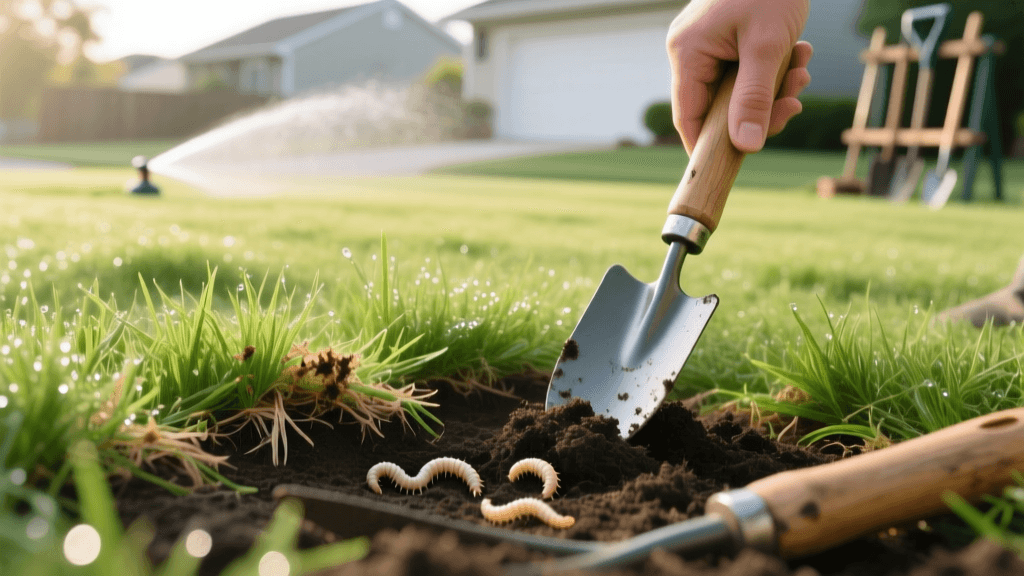
Spring Grub Control: Protect Your Lawn from Summer Damage
The Hidden Threat Beneath Your Spring Lawn
As the frost thaws and your cool-season turf begins to green up, spring lawn care becomes a top priority for homeowners. You are likely focused on pre-emergent weed control, spring aeration, and the first fertilizer application of the year. However, beneath the surface of your seemingly healthy turf, a destructive threat is waking up. White grubs—the larval stage of Japanese beetles, June bugs, and European chafers—can decimate your root system if left unchecked. While the most severe damage often manifests in late summer and early fall, spring and early summer are the most critical windows for preventative grub control. By integrating seasonal grub management into your spring maintenance routine, you can protect your lawn's root zone, save money on costly fall renovations, and maintain a dense, vigorous turf.
Identifying Grub Damage and Pest Presence
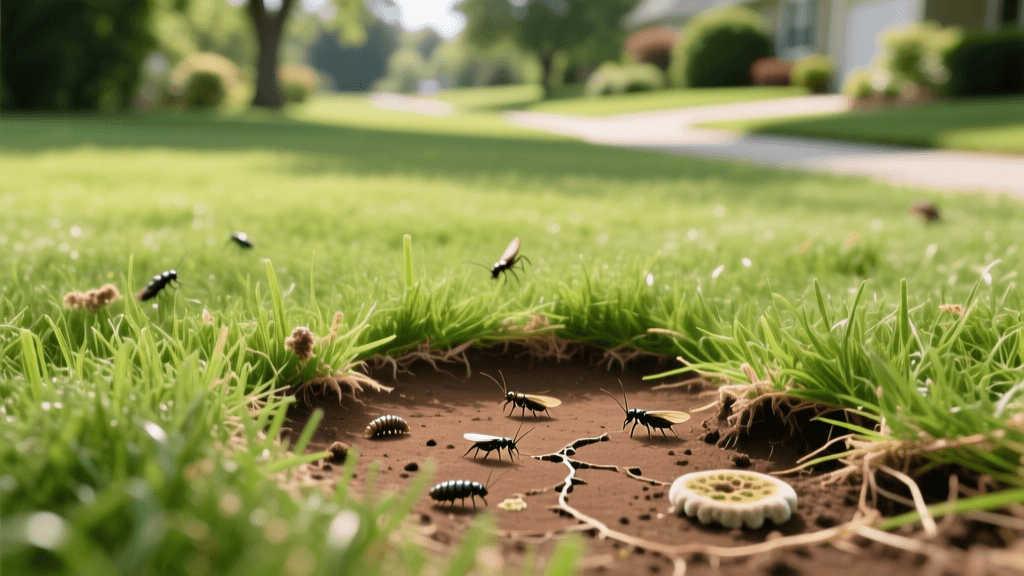
White grubs are C-shaped, cream-colored larvae with distinct brown heads and six legs near the head capsule. They feed aggressively on the roots of turfgrass, severing the plant's ability to uptake water and nutrients. Early signs of grub activity are often subtle. You might notice localized patches of turf that wilt rapidly on sunny days, even when the soil is adequately moist. As the damage progresses, the grass turns brown and dies. According to Penn State Extension, secondary signs of a grub infestation often include increased activity from foraging wildlife. Crows, starlings, skunks, and raccoons will tear up your lawn to feed on the protein-rich larvae. Moles and voles may also create extensive tunnel networks in grub-heavy areas.
The Tug Test and Soil Inspection
To confirm a grub infestation before applying any treatments, perform a simple soil inspection. Use a spade to cut three sides of a one-foot square in your turf, about two to three inches deep. Peel the sod back like a carpet and count the grubs in the top few inches of soil and the thatch layer. According to entomologists at the University of Kentucky, a healthy, well-irrigated lawn can typically tolerate up to 5 to 7 grubs per square foot without showing visible damage. However, if you count 10 or more grubs per square foot, preventative or curative treatment is highly recommended to prevent severe turf loss.
Seasonal Timing and the Grub Life Cycle
Effective Integrated Pest Management (IPM) relies heavily on timing. Grubs follow a predictable annual life cycle that dictates your seasonal maintenance schedule. Adult beetles emerge from the soil in early to mid-summer (June through August) to mate and lay eggs in the top layer of your soil. These eggs hatch in late summer, and the young grubs begin feeding voraciously on grassroots through the early fall. As winter approaches, they burrow deep below the frost line to overwinter. In the spring, they migrate back to the surface to feed briefly before pupating into adults.
Because spring grubs are mature and preparing to pupate, they are highly resistant to most insecticides. Therefore, spring curative treatments are rarely cost-effective. The optimal seasonal window for grub control is late spring to early summer (May through June) using long-residual preventative products, or late summer (August) using fast-acting curative products targeting newly hatched, vulnerable larvae.
Comparing Grub Control Methods: Organic vs. Chemical
When selecting a treatment, homeowners must weigh environmental impact, cost, and efficacy. Modern IPM strategies offer both highly effective synthetic options and scientifically backed biological controls. Below is a comparison of the most reliable grub control methods available on the market.
| Active Ingredient / Method | Type | Best Application Time | Estimated Cost (per 1,000 sq ft) | Pros & Cons |
|---|---|---|---|---|
| Chlorantraniliprole (e.g., GrubEx, Acelepryn) | Chemical Preventative | April - June | $4.00 - $6.00 | Pros: Extremely safe for pollinators; long residual. Cons: Takes 60-90 days to become fully active in the soil. |
| Imidacloprid (e.g., Merit) | Chemical Preventative | June - July | $3.00 - $5.00 | Pros: Highly effective; widely available. Cons: Toxic to bees; must be watered in immediately. |
| Trichlorfon (e.g., Dylox) | Chemical Curative | August - September | $4.50 - $7.00 | Pros: Kills active grubs in 24-48 hours. Cons: Short residual; degrades quickly in high pH soils. |
| Beneficial Nematodes (Heterorhabditis bacteriophora) | Organic Biological | August - September | $6.00 - $10.00 | Pros: 100% organic; targets only soil pests. Cons: Requires strict soil moisture; sensitive to UV light. |
| Milky Spore (Paenibacillus popilliae) | Organic Biological | Spring or Fall | $8.00 - $12.00 | Pros: Permanent establishment over 3-5 years. Cons: Only targets Japanese beetle grubs; very slow to work. |
Step-by-Step Spring and Early Summer Application Guide
If you opt for a preventative chemical approach using Chlorantraniliprole or Imidacloprid, proper application is vital for success. Follow these actionable steps during your late spring maintenance window:
- Step 1: Mow and Dethatch. Mow your lawn to its standard height and remove excessive thatch (over 0.5 inches thick). Thatch can intercept the granules and prevent them from reaching the soil.
- Step 2: Apply the Granules. Use a calibrated broadcast spreader to apply the product evenly across the lawn. Ensure you are applying the exact rate specified on the manufacturer's label to avoid chemical waste and environmental runoff.
- Step 3: Water In Immediately. This is the most critical step. Preventative grub controls must be washed off the grass blades and into the top two inches of soil where the eggs will hatch. Apply 0.25 to 0.5 inches of water via irrigation or rely on an impending rainfall.
- Step 4: Protect Pollinators. If your lawn contains flowering weeds like clover or dandelions, mow them down before applying any neonicotinoids (like Imidacloprid) to protect foraging bees. The United States Environmental Protection Agency (EPA) strongly advises following label directions regarding pollinator safety and environmental hazards.
Budgeting for Grub Control on a 5,000 Sq Ft Lawn
For a standard 5,000 square foot lawn, preventative grub control is an affordable insurance policy. A bag of Chlorantraniliprole-based granules covering 5,000 square feet typically costs between $20 and $30. If you hire a professional lawn care service, a seasonal grub control application is usually bundled into a comprehensive 6-step fertilization and weed control program, adding roughly $40 to $60 to your annual contract. Compare this relatively low preventative cost to the expense of fall lawn renovation. If grubs destroy your turf in September, you will face the costs of heavy raking, topsoil amendment, high-quality grass seed (approx. $80 for 5,000 sq ft), and increased water bills to establish a new lawn.
Protecting Pollinators and Beneficial Insects
Modern pest control is not about indiscriminate eradication; it is about targeted management. When practicing IPM, it is crucial to consider the broader ecosystem of your yard. Beneficial insects, such as ground beetles and parasitic wasps, naturally prey on grub larvae and adult scarab beetles. By maintaining a diverse landscape, reducing broad-spectrum pesticide use, and opting for targeted products like Chlorantraniliprole (which has minimal impact on beneficial arthropods and pollinators), you encourage natural biological controls. Furthermore, applying biological treatments like beneficial nematodes introduces microscopic worms that actively hunt and kill grubs without harming earthworms, which are essential for soil aeration and nutrient cycling.
Fall Recovery and Long-Term Prevention
If you missed the spring and summer windows and discover severe grub damage in early fall, you must act quickly to save your lawn. Apply a fast-acting curative insecticide like Trichlorfon to halt further root destruction. Because the root system is already compromised, the damaged turf will not recover on its own. You will need to rake away the dead grass, loosen the soil, and overseed with a turf-type tall fescue or Kentucky bluegrass blend. Keep the newly seeded areas consistently moist until germination occurs. Moving forward, make a note on your seasonal lawn care calendar to apply a preventative treatment the following May or June. Consistent seasonal maintenance, combined with proper mowing heights (keeping grass at 3 to 4 inches to shade the soil and deter egg-laying females), is the ultimate defense against the destructive cycle of lawn grubs.