Pest Control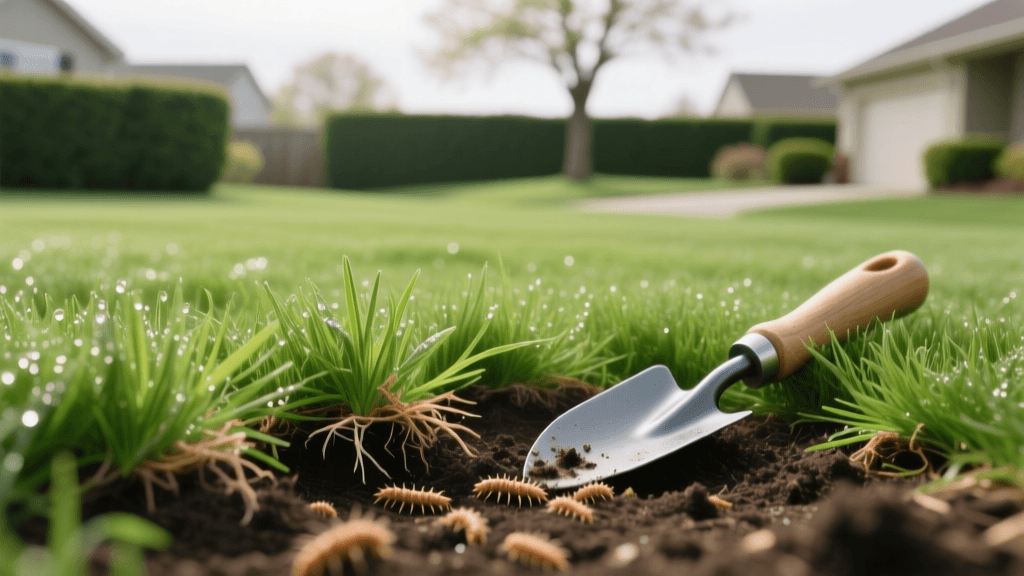
Effective Spring Grub Control and Lawn Care Guide
Introduction to Spring Grub Activity
Grubs are the immature, larval stage of various scarab beetles, including Japanese beetles, June bugs, and European chafers. While they are a natural part of the soil ecosystem, a high population can wreak havoc on a home lawn by severing the root system just below the soil surface. For homeowners focused on seasonal maintenance and care, spring presents a unique window of opportunity—and a distinct set of challenges—for managing these subterranean pests. Unlike fall treatments, which target small, actively feeding larvae, spring grub control requires a strategic approach tailored to the insect's maturing lifecycle and the lawn's emerging growth phase.
Implementing an Integrated Pest Management (IPM) strategy in the spring ensures that you are not only addressing current damage but also setting the stage for a resilient, pest-resistant lawn throughout the hot summer months. This guide will walk you through identifying spring grub activity, understanding the seasonal lifecycle, and applying the most effective organic and chemical treatments available on the market.
Identifying Grub Damage in Early Spring
As soil temperatures begin to rise in early to mid-spring, overwintering grubs migrate upward toward the root zone to feed before pupating. The damage from this feeding spree, combined with the aftermath of winter stress, often becomes highly visible in April and May. Key indicators of a grub infestation include:
- Spongy Turf: Grass that feels spongy or loose underfoot, indicating that the roots have been severed.
- Irregular Brown Patches: Areas of turf that fail to green up in the spring or turn brown and wilt rapidly during mild weather.
- Animal Foraging: Skunks, raccoons, armadillos, and crows actively tearing up the lawn to feed on the protein-rich larvae.
- The Tug Test: If you grab a handful of brown grass and pull, it should lift away from the soil easily, like a loose carpet, revealing C-shaped white grubs underneath.
According to Penn State Extension, treatment is generally only warranted if you find a threshold of five to ten or more grubs per square foot. To check, use a spade to cut a one-square-foot section of turf, peel it back, and count the larvae in the top two inches of soil.
The Grub Lifecycle: Why Spring Maintenance is Unique
Understanding the grub lifecycle is critical for seasonal lawn care. In late summer and early fall, adult beetles lay eggs that hatch into small, voracious first- and second-instar grubs. These young grubs cause the majority of lawn damage in the autumn before burrowing deep into the soil to overwinter. In the spring, these same grubs emerge as large, third-instar larvae. They feed briefly to build energy reserves before pupating into adult beetles in late May and June.
Because spring grubs are large and nearing the end of their larval stage, they are significantly more resistant to pesticides than their smaller fall counterparts. Furthermore, because they stop feeding to pupate, chemical uptake is reduced. Therefore, spring treatments are generally considered 'curative' rather than 'preventative,' and product selection must be highly specific.
Spring vs. Fall Grub Control Strategies
| Feature | Spring Grub Control | Fall Grub Control |
|---|---|---|
| Target Life Stage | Large, third-instar larvae (maturing) | Small, first/second-instar larvae (young) |
| Primary Goal | Curative (stop immediate damage & animal digging) | Preventative (protect roots before damage occurs) |
| Best Active Ingredients | Trichlorfon (fast-acting contact poison) | Chlorantraniliprole, Imidacloprid, Clothianidin |
| Application Window | April to early May | June to August (for preventative) |
| Efficacy Rate | Variable (often 60-80% due to grub size) | High (90-95% when timed with egg hatch) |
Actionable Spring Treatment Strategies
When seasonal maintenance dictates that a spring intervention is necessary to save the turf, homeowners must choose the right product and apply it with precision. The Michigan State University Extension emphasizes that timing and soil moisture are just as important as the chemical itself.
Curative Chemical Controls
If you have confirmed an active, damaging grub population in April or May, the most effective curative chemical is Trichlorfon (commonly sold under the brand name Dylox). Trichlorfon is a fast-acting insecticide that degrades rapidly in the soil, meaning it will kill active grubs within 24 to 48 hours but will not provide residual protection for the rest of the year.
- Application Rate: Typically applied at 1.5 to 2 lbs of active ingredient per 1,000 square feet. Always read the specific product label.
- Cost: Approximately $15 to $25 per bag covering 5,000 square feet.
- Crucial Step: Trichlorfon breaks down quickly in high-pH (alkaline) soils. It must be watered in immediately with at least 0.5 inches of irrigation to move the chemical into the root zone before it degrades.
Preventative Chemical Controls for Future Seasons
While you cannot use standard preventative chemicals to kill large spring grubs, late spring (mid-May to early June) is the exact time to apply Chlorantraniliprole (commonly sold as GrubEx) to protect against the next generation of grubs that will hatch in late summer. Chlorantraniliprole is highly favored in IPM programs because it is exceptionally safe for pollinators, birds, and mammals, and it targets the muscle receptors of insects specifically. It requires 60 to 90 days to fully translocate into the turf roots, making late spring the perfect application window for summer and fall protection.
Organic and Biological Controls
For homeowners dedicated to organic seasonal maintenance, biological controls offer a sustainable alternative to synthetic chemicals.
- Beneficial Nematodes (Heterorhabditis bacteriophora): These microscopic worms seek out and infect grubs with a lethal bacteria. Apply them in mid-to-late spring when soil temperatures consistently exceed 60°F. Nematodes are living organisms; they must be purchased from reputable suppliers, kept refrigerated, and applied during overcast conditions or in the evening to protect them from UV light. Cost is roughly $30 to $50 per 10 million nematodes (treating ~3,000 sq ft).
- Milky Spore (Paenibacillus popilliae): This naturally occurring bacterium specifically targets Japanese beetle grubs. While spring applications are possible, Milky Spore is a long-term investment. It takes two to three years to build up in the soil to effective levels, but once established, it can provide control for up to 15 years without reapplication.
Cultural Practices to Discourage Grubs
The University of Kentucky Entomology Department notes that a thick, vigorously growing lawn can tolerate higher grub populations without showing visible damage. Integrating cultural practices into your seasonal maintenance routine reduces the attractiveness of your yard to egg-laying beetles.
- Mowing Height: Maintain your turf at a height of 3 to 4 inches. Taller grass develops deeper, more robust root systems that can withstand minor grub feeding. Additionally, beetles prefer to lay eggs in short, sun-baked turf.
- Smart Watering: Adult beetles require moist soil to lay eggs successfully, and eggs require moisture to hatch. Avoid frequent, shallow watering in July and August. Instead, practice deep, infrequent watering (1 to 1.5 inches per week) to encourage deep roots while allowing the surface soil to dry out between sessions, naturally desiccating grub eggs.
- Overseeding and Fertilization: Repair damaged spring patches by raking out dead thatch, top-dressing with compost, and overseeding with a grub-resistant turfgrass blend, such as tall fescue, which has deeper roots and higher tolerance to insect feeding.
Seasonal Grub Maintenance Calendar
To keep your lawn pristine year-round, follow this seasonal IPM timeline:
- March - April: Monitor for animal digging and spongy turf. Perform the 'tug test.' Apply curative Trichlorfon ONLY if threshold damage is confirmed.
- May - June: Apply preventative Chlorantraniliprole to protect against the upcoming summer egg hatch. Repair spring damage with compost and overseeding.
- July - August: Limit shallow irrigation to deter egg-laying beetles. Monitor for early signs of wilting turf, which indicates young grubs are hatching and feeding.
- September - October: The optimal window for fall curative or preventative treatments if spring applications were missed. Apply beneficial nematodes while soil is still warm.
- November - February: Grubs are dormant deep in the soil. Focus on winterizing the lawn, conducting soil tests, and planning next year's IPM strategy.
Conclusion
Effective spring grub control is less about blanket chemical applications and more about targeted, informed seasonal maintenance. By correctly identifying the extent of the damage, understanding the limitations of spring curative treatments like Trichlorfon, and pivoting toward late-spring preventatives and organic soil builders, you can protect your turf without disrupting the local ecosystem. A resilient lawn, fortified by proper mowing and watering habits, remains your strongest defense against the subterranean threat of white grubs.