Home & Garden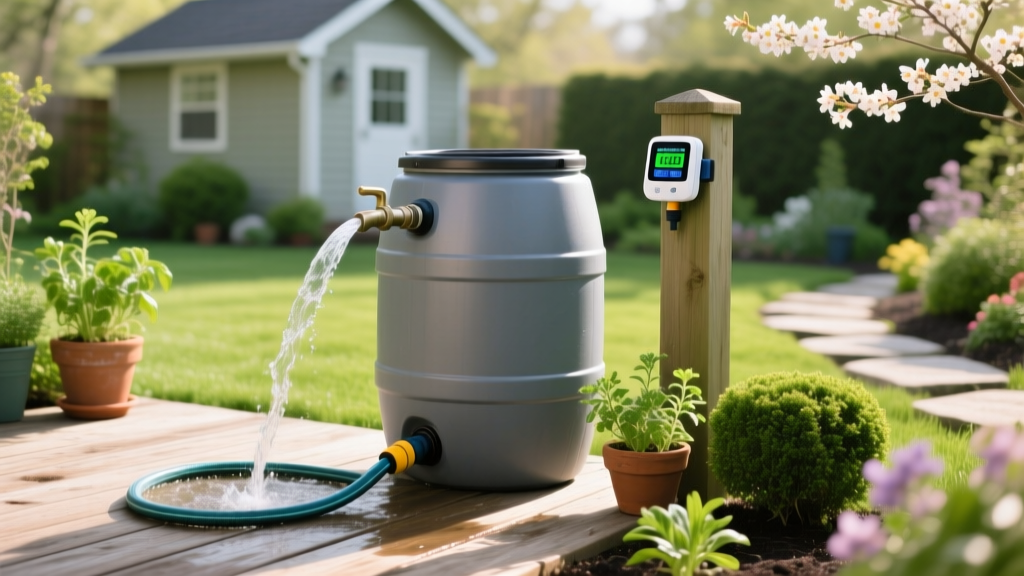
Spring Irrigation and Rain Barrel Maintenance for Pest Control
Lisa ThompsonPublished
The Hidden Health Risks Lurking in Spring Water Systems
As the winter frost thaws and temperatures begin to climb, homeowners eagerly transition back to their outdoor living spaces. However, the shift from winter dormancy to spring growth brings a unique set of health and maintenance challenges, particularly concerning water management. Standing water in neglected rain barrels and leaky smart irrigation systems are not just landscaping nuisances; they are primary breeding grounds for disease-carrying mosquitoes and catalysts for toxic mold and mildew growth. Bridging the gap between indoor health and outdoor maintenance requires a proactive approach to your garden's water systems. By dedicating a weekend to spring irrigation and rain barrel maintenance, you can safeguard your family from vector-borne illnesses, protect your respiratory health from fungal spores, and ensure your garden thrives without the threat of waterborne pathogens.
Step-by-Step Rain Barrel Sanitation and Mosquito Prevention
Rain barrels are fantastic tools for water conservation and energy-efficient landscaping, but if left unattended over the winter, they accumulate organic sludge that becomes a perfect incubator for mosquito larvae. Mosquitoes can breed in as little as half an inch of standing water, making early spring cleaning critical before the first heavy rains arrive.
1. Draining and Scrubbing the Barrel
Begin by completely draining any stagnant water from the winter months. Disconnect the barrel from your downspout and move it to a well-ventilated area. Create a cleaning solution using one tablespoon of unscented household bleach per gallon of water. Using a stiff-bristled brush, scrub the interior walls to remove algae and biofilm. Rinse thoroughly with a hose and allow it to air dry in direct sunlight, which naturally helps kill remaining bacteria.
2. Installing Physical Barriers
Prevention is always more effective than treatment. Ensure all inflow and overflow points are covered with a 1/16-inch fiberglass or stainless steel mesh screen. This specific measurement is small enough to prevent female mosquitoes from entering the barrel to lay eggs, while still allowing adequate water flow during heavy spring downpours. Replacement screens typically cost around $12 to $15 at local hardware stores and can be secured with bungee cords or heavy-duty hose clamps.
3. Applying Biological Larvicides
Even with screens, condensation and minor leaks can create small pools of water. To guarantee your rain barrel does not become a health hazard, use a biological larvicide containing Bti (Bacillus thuringiensis israelensis). Commonly sold as 'Mosquito Dunks' or 'Mosquito Bits', Bti is a naturally occurring soil bacterium that targets mosquito and black fly larvae without harming pets, birds, pollinators, or beneficial garden insects. For a standard 50-gallon rain barrel, use one-quarter of a dunk, which will remain effective for up to 30 days. A six-pack of dunks costs approximately $10, making it one of the most cost-effective health interventions for your garden.
Smart Irrigation Startup: Preventing Mold and Fungal Lawn Diseases
While rain barrels pose a mosquito risk, your smart irrigation system can inadvertently cause severe mold and fungal issues if not properly commissioned for the spring. Overwatering and misaligned sprinkler heads create the damp, humid microclimates where turf diseases like Pythium blight and dollar spot thrive, and where exterior home mold takes root.
Flushing and Inspecting Drip Lines
Drip irrigation is highly efficient, but winter freeze-thaw cycles can crack emitters and tubing. Before turning on your smart controller (such as a Rachio 3 or Hunter Hydrawise), manually open the flush valves at the end of each drip zone. Turn the water on at the main valve for two to three minutes to blow out any dirt, debris, or winter sediment that could clog your 1 GPH (gallon per hour) or 2 GPH emitters. Replace any cracked tubing and ensure emitters are placed exactly at the root zone of your plants to prevent surface moisture that encourages stem rot and fungal growth.
Adjusting Spray Patterns for Hardscapes and Siding
Mold and mildew on your home's siding, outdoor furniture, and wooden decks are often the direct result of sprinkler overspray. Walk your property while each zone is active. Adjust rotary nozzles and spray heads so they are directed entirely away from your house, patio furniture, and wooden fences. If you notice water pooling on your hardscapes, it is a sign of poor drainage or overwatering, which will quickly lead to slippery, hazardous black algae on walkways.
Comparison Chart: Water Management and Pest Control Solutions
Choosing the right products for your spring maintenance routine is vital for maintaining a healthy, eco-friendly garden. Below is a comparison of common solutions used to manage pests and mold in outdoor water systems.
| Prevention Method | Target Issue | Estimated Cost | Application Details | Plant & Pet Safety |
|---|---|---|---|---|
| Bti Larvicide Dunks | Mosquito larvae in standing water | $10 per 6-pack | 1/4 dunk per 25 gallons; lasts 30 days | 100% safe for pets, wildlife, and edible gardens |
| 1/16-inch Mesh Screens | Adult mosquito entry and debris | $12 - $18 per roll | Secure over all barrel openings with clamps | N/A (Physical barrier) |
| Oxygen Bleach (Sodium Percarbonate) | Mold, mildew, and algae on hardscapes | $20 per 5lb tub | 1 scoop per gallon of warm water; scrub and rinse | Safe for plants and soil once diluted and rinsed |
| Smart Soil Moisture Sensors | Overwatering and fungal turf diseases | $40 - $80 per sensor | Bury 2 inches deep in root zone; sync to smart hub | Promotes deeper root growth and drought tolerance |
Protecting Outdoor Living Spaces from Mildew and Rot
Your outdoor living space is an extension of your indoor environment, and the health of the air and surfaces outside directly impacts your indoor air quality when windows are open. Spring is the ideal time to deep clean patios, decks, and outdoor furniture to remove winter mold and mildew.
Avoid using harsh chlorine bleach on your decks and patios, as it can damage wood fibers, kill surrounding garden plants, and harm soil biology. Instead, opt for an oxygen bleach cleaner (sodium percarbonate). When mixed with water, oxygen bleach releases hydrogen peroxide and soda ash, which effectively lift mold stains and kill mildew spores without leaving toxic residue. Apply the solution to your composite decking or teak furniture, let it sit for 15 minutes, scrub with a soft-bristle brush, and rinse thoroughly. This not only restores the aesthetic of your outdoor furniture but also removes allergens that can trigger respiratory issues during outdoor dining and relaxation.
Integrating Soil Moisture Sensors for Optimal Garden Health
One of the most effective ways to bridge smart home technology with seasonal garden health is the installation of wireless soil moisture sensors. Traditional smart controllers rely on local weather data and evapotranspiration (ET) rates to schedule watering. While helpful, they do not account for the specific microclimates, soil compaction, or shade patterns in your unique yard.
By burying a smart soil moisture sensor, such as the Hunter Soil-Clik or a generic Zigbee-compatible probe, directly in the root zone of your most sensitive garden beds or lawn areas, you provide your irrigation controller with real-time, ground-truth data. If the soil moisture is above the optimal threshold (typically 30-40% volumetric water content for most turfgrasses), the sensor overrides the scheduled watering. This prevents the soggy soil conditions that lead to root rot, fungal infections, and the proliferation of fungus gnats, which can easily migrate from outdoor potted plants into your indoor living spaces.
Expert Guidelines and Authoritative Citations
Maintaining your garden's water systems is a matter of public health as much as it is a matter of landscaping aesthetics. Authoritative health and environmental agencies strongly advocate for proactive spring maintenance.
According to the Centers for Disease Control and Prevention (CDC), 'Mosquitoes can breed in any standing water, including rain barrels, birdbaths, and clogged gutters. Removing or treating standing water is the most effective way to reduce mosquito populations and prevent the spread of diseases like West Nile virus.'
Furthermore, the Environmental Protection Agency (EPA) endorses the use of Bti for residential water management. The EPA notes that Bti is highly specific to target pests and has no documented negative effects on non-target organisms, making it the gold standard for eco-conscious homeowners managing rain barrels and water features.
Regarding irrigation and plant health, the University of California Agriculture and Natural Resources (UC ANR) extension emphasizes that 'improper irrigation is the leading cause of plant disease in residential landscapes.' Their guidelines stress that keeping foliage dry and utilizing drip irrigation or smart moisture sensors drastically reduces the incidence of powdery mildew, rust, and blight, ensuring a healthier garden ecosystem that seamlessly supports your outdoor lifestyle.
Conclusion: A Healthier Home Starts in the Garden
Seasonal maintenance is the cornerstone of a thriving, health-conscious home and garden. By taking the time to sanitize your rain barrels, deploy Bti larvicides, flush your smart irrigation lines, and eliminate mold from your outdoor living spaces, you are doing much more than improving your curb appeal. You are actively protecting your family from vector-borne diseases, reducing environmental allergens, and fostering a vibrant, resilient landscape. Make these water management and pest control routines a staple of your spring checklist, and enjoy a safe, beautiful outdoor sanctuary all season long.
