Home & Garden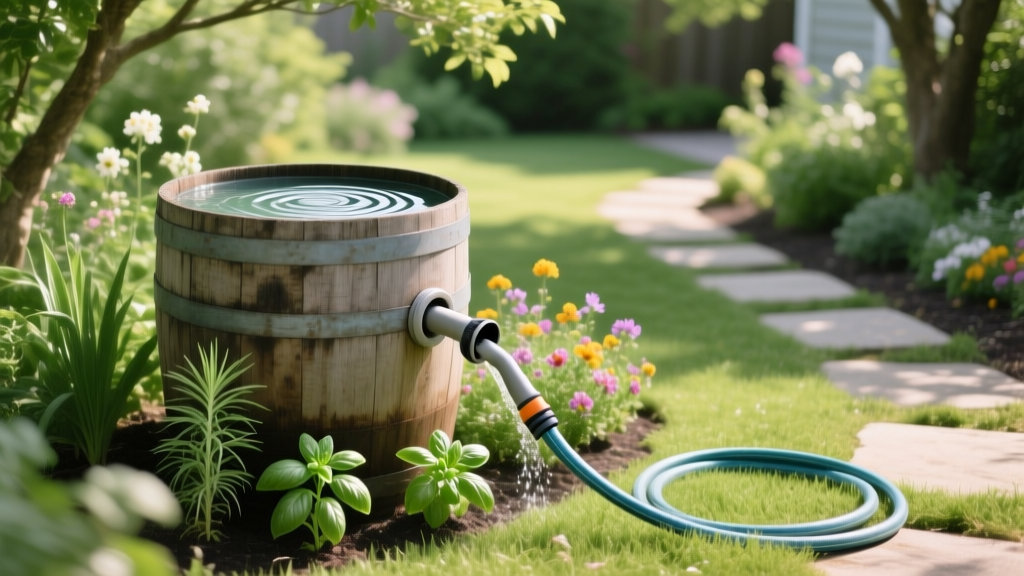
Spring Rain Barrel and Irrigation Care for Mosquito Control
Anna KowalskiPublished
The Hidden Health Hazards of Neglected Spring Water Systems
As the frost thaws and homeowners eagerly transition into the spring gardening season, the focus often lands squarely on soil preparation, seed starting, and landscape design. However, one of the most critical aspects of seasonal maintenance is frequently overlooked until it becomes a severe problem: the sanitation and maintenance of outdoor water collection and irrigation systems. From a seasonal maintenance and public health perspective, failing to properly commission your rain barrels and drip irrigation lines in early spring can inadvertently transform your backyard into a breeding ground for disease-carrying pests and a vector for plant pathogens.
According to the Centers for Disease Control and Prevention (CDC), mosquitoes can breed in any standing water that lasts for more than a week. This includes the stagnant, debris-filled water trapped in clogged rain barrel diverters, cracked irrigation hoses, and poorly drained smart-irrigation zones. Species such as the Culex mosquito, a primary vector for West Nile Virus, and the Aedes aegypti, known for transmitting Zika and Dengue, thrive in the artificial containers and puddles created by neglected garden infrastructure. By integrating rigorous water system maintenance into your spring routine, you bridge the gap between a thriving garden-to-table ecosystem and a safe, healthy outdoor living environment for your family.
Comprehensive Rain Barrel Spring Maintenance
Rain barrels are fantastic tools for energy-efficient landscaping and water conservation, but over the winter, they accumulate fallen leaves, roof grit, and algae spores. If left untreated, this organic sludge creates a nutrient-rich nursery for mosquito larvae. Here is a step-by-step guide to sanitizing your rain barrels before the heavy spring rains begin.
Step 1: Complete Drainage and Debris Removal
Before the first major spring rainstorm, open the spigot and allow the barrel to drain completely. Disconnect the downspout diverter and remove the top mesh screen. Scoop out any accumulated sediment, pine needles, or shingle grit from the bottom of the barrel using a garden trowel. This sediment not only reduces the water capacity of your barrel but also provides a food source for mosquito larvae and anaerobic bacteria that cause foul odors.
Step 2: Scrubbing and Sanitizing
Algae and biofilm will inevitably coat the interior walls of the barrel. To remove this without introducing toxic chemicals into your garden soil, use a natural sanitizing solution. Mix one cup of distilled white vinegar with one gallon of warm water. Using a stiff-bristled deck brush, scrub the interior walls thoroughly. For severe algae blooms, the Penn State Extension recommends a mild bleach solution of one-quarter cup unscented household bleach per gallon of water. If you use bleach, allow the barrel to sit in direct sunlight for a few hours to neutralize the chlorine, then rinse it completely before reconnecting it to your downspout.
Step 3: Upgrading the Mesh Screen
Adult mosquitoes can pass through surprisingly small gaps. Inspect your rain barrel’s top screen for tears or warping. Replace any damaged screens with a 1/16-inch fiberglass or aluminum mesh. This specific measurement is recommended by entomologists to physically block adult female mosquitoes from accessing the water surface to lay their eggs. Secure the mesh tightly with a bungee cord or a heavy-duty hose clamp to prevent wind from creating gaps.
Step 4: Biological Control with BTI
As a fail-safe against mosquito breeding, introduce Bacillus thuringiensis israelensis (BTI) into your rain barrel. Commonly sold under product names like Mosquito Dunks or Bits, BTI is a naturally occurring bacterium that is highly toxic to mosquito and black fly larvae but completely harmless to humans, pets, birds, and beneficial pollinators. One standard dunk treats up to 100 gallons of water for about 30 days. Drop a quarter of a dunk into your barrel at the start of each month from April through October. The cost is minimal, typically around $5 to $8 for a six-pack, making it one of the most cost-effective health interventions in your landscape.
Flushing and Sanitizing Drip Irrigation Lines
While rain barrels pose a macro-level mosquito threat, drip irrigation systems harbor micro-level health risks for your plants. Over the winter, residual water in drip lines can develop biofilm—a slimy layer of bacteria and algae. When spring watering begins, this biofilm is pushed through the emitters, potentially spreading soil-borne plant pathogens like Pythium and Phytophthora (root rot) directly to the root zones of your vulnerable spring crops and ornamentals.
The Spring Flush Protocol
- Open the End Caps: Locate the flush valves or end caps at the terminus of each drip zone. Remove them to allow an unobstructed exit for water and debris.
- High-Volume Flushing: Turn on the irrigation zone manually for 3 to 5 minutes. Watch the water exiting the lines; it will likely start brown or cloudy. Continue flushing until the water runs completely clear.
- Chemical Sanitization (Optional but Recommended): For systems with a history of emitter clogging or plant disease, inject a 3% food-grade hydrogen peroxide solution into the lines using a fertilizer injector. Hydrogen peroxide effectively breaks down biofilm and algae without leaving toxic residues in your garden beds. Allow it to sit in the lines for 15 minutes, then flush again with clean water.
- Inspect and Replace Emitters: Walk the lines and check for emitters that are weeping, clogged, or geysing. Replace clogged 1-GPH (gallon per hour) or 2-GPH drippers. A pack of 50 replacement emitters costs roughly $15 and saves you from the localized dry spots that stress plants and invite pests.
Seasonal Maintenance and Health Impact Matrix
To keep your landscape both beautiful and biologically safe, refer to this seasonal maintenance matrix. It outlines the specific tasks, timing, and associated costs to maintain a healthy outdoor environment.
| Maintenance Task | Optimal Timing | Estimated Cost | Health and Garden Benefit |
|---|---|---|---|
| Rain Barrel Scrubbing | Early Spring (March/April) | $5 (Vinegar/Brush) | Removes anaerobic bacteria and algae spores. |
| Mesh Screen Replacement | Early Spring | $10 - $15 | Physically blocks disease-vector mosquitoes. |
| BTI Dunk Application | Monthly (April - October) | $6 per 6-pack | Biological control of larvae; safe for edibles. |
| Drip Line Flushing | Mid-Spring (Before planting) | $0 (Water cost) | Prevents spread of root-rot pathogens. |
| Emitter Inspection | Monthly during growing season | $15 per 50-pack | Ensures even hydration, preventing plant stress. |
Smart Home Integration for Moisture and Pest Control
Modern seasonal maintenance is increasingly supported by smart home technology, which can drastically reduce the risk of accidental standing water. Overwatering is a common culprit for yard puddling, which creates unintended mosquito breeding habitats in lawn depressions and mulch beds.
Upgrading to a smart irrigation controller, such as the Rachio 3 or Orbit B-hyve, allows your system to integrate with local weather stations and hyper-local rain sensors. These devices automatically skip watering schedules when soil moisture is adequate or when rain is forecasted. Furthermore, integrating wireless soil moisture sensors in your garden beds ensures that your drip system only activates when the soil volume moisture (VWC) drops below a specific threshold, typically around 20% for loamy soils. By eliminating overwatering, you not only conserve municipal water and lower your utility bills, but you also keep the surface of your landscape dry and inhospitable to moisture-loving pests and fungal gnats.
Expert Insights on Landscape Hygiene
Maintaining the health of your outdoor space requires a holistic view of how water moves through your property. As noted by experts at the University of Florida IFAS Extension, ‘Source reduction is the most effective and environmentally sound method of mosquito control.’ By eliminating the sources of standing water through diligent spring maintenance of your rain barrels and irrigation infrastructure, you are practicing the highest form of preventative landscape hygiene.
Ultimately, bridging the gap between indoor comfort and outdoor living means ensuring that your patio, garden, and lawn are safe extensions of your home. A few hours spent scrubbing barrels, replacing mesh screens, and flushing drip lines in the early spring will pay dividends throughout the summer. You will enjoy a lush, disease-free garden-to-table harvest, a vibrant landscape, and most importantly, a backyard oasis where your family can relax without the threat of mosquito-borne illnesses. Make water system sanitation a non-negotiable pillar of your seasonal maintenance routine, and your garden will thrive in both beauty and health.
