Lawn Care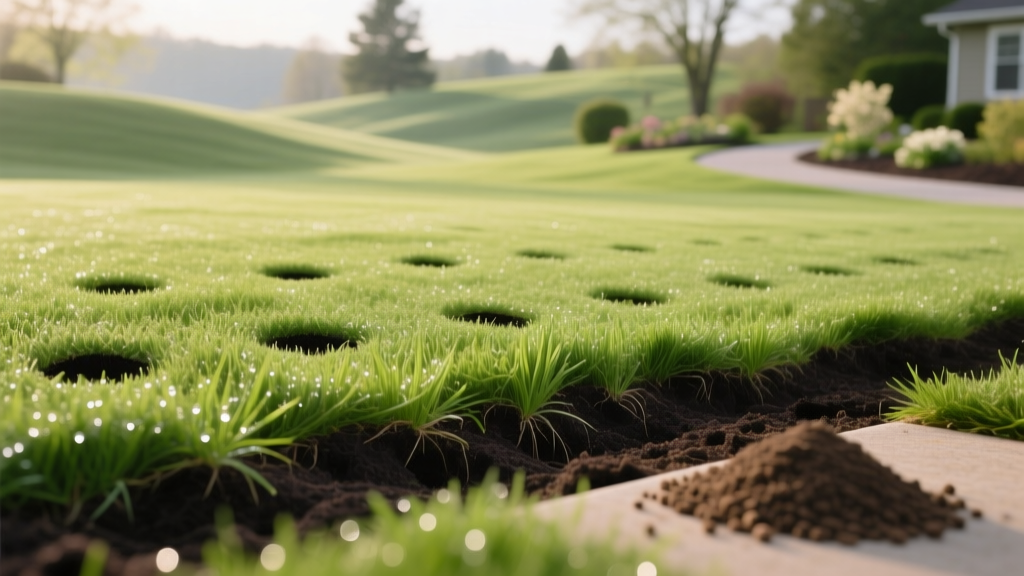
Spring Core Aeration & Milorganite Fertilization Guide 2026
Mike RodriguezPublished
The 2026 Approach to Spring Lawn Recovery
As we navigate the unpredictable spring weather patterns of 2026, lawn care professionals and homeowners alike are revisiting foundational turf management practices to ensure long-term turf health. Winter months often leave lawns with heavily compacted soil, restricted root zones, and depleted nutrient reserves. While synthetic fertilizers might offer a quick green-up, they often lead to rapid, weak top growth that is highly susceptible to late-spring diseases and summer drought stress. This is where the strategic combination of spring core aeration and Milorganite organic slow-release fertilizer becomes a game-changer for modern lawn care.
Combining mechanical soil disruption with a high-quality, organic-based nutrient source addresses both the physical and chemical needs of your soil. In this comprehensive guide, we will explore why pairing core aeration with Milorganite is one of the most effective spring lawn care routines you can implement this year, how to time it perfectly for your specific grass type, and the exact steps to achieve professional-grade results.
The Science of Core Aeration and Soil Compaction
Core aeration is the process of mechanically removing small plugs of soil and thatch—typically 2 to 3 inches deep—from your lawn. According to turfgrass experts at the University of Minnesota Extension, soil compaction is one of the leading causes of turf decline. When soil particles are pressed together, the pore spaces that hold air, water, and nutrients are drastically reduced. This suffocates the root system and prevents water infiltration, leading to increased runoff and shallow root growth.
By extracting physical cores of soil, you immediately relieve this compaction. The remaining holes act as channels for oxygen, water, and nutrients to reach the deep root zone. Furthermore, the soil cores left on the surface break down over a few weeks, effectively topdressing the lawn with native soil microbes that help break down thatch. However, aeration alone only solves the physical structure problem; it must be paired with proper nutrition to fuel the recovery and root expansion process.
Why Milorganite is the Ultimate Post-Aeration Spring Fertilizer
Milorganite is an organic, slow-release nitrogen fertilizer with an NPK ratio of 5-4-0, fortified with 2.5% iron. Unlike synthetic, water-soluble fertilizers that deliver a massive shock of nitrogen to the soil all at once, Milorganite relies on microbial activity to break down its nutrients. This means the nitrogen is released gradually over 8 to 10 weeks, perfectly matching the natural uptake rate of turfgrass.
When you apply Milorganite immediately after core aeration, a fascinating and highly beneficial interaction occurs. The small, pelletized organic matter falls directly into the freshly opened aeration holes. Instead of sitting on the surface or washing away, the nutrients and organic carbon are delivered straight to the root zone. As the official Milorganite lawn care guidelines note, this slow-release mechanism ensures that your lawn receives a steady, non-burning supply of nutrients, even if spring temperatures suddenly spike. The added iron also promotes a deep, rich green color without forcing excessive, disease-prone blade growth during the humid late-spring months.
Timing Your Spring Aeration by Grass Type
One of the most critical aspects of lawn care in 2026 is understanding that not all grasses should be aerated in the spring. Timing your aeration and subsequent Milorganite application depends entirely on whether you are managing cool-season or warm-season turf.
Warm-Season Grasses (Bermuda, Zoysia, Centipede, St. Augustine)
For warm-season grasses, spring is the absolute best time for core aeration. As these grasses break dormancy and begin their aggressive summer growth phase (typically late May through June, depending on your hardiness zone), aerating provides the perfect environment for rapid lateral spread and deep root establishment. Applying Milorganite at this time fuels this vigorous growth cycle with a steady supply of organic nitrogen, helping the turf outcompete early summer weeds.
Cool-Season Grasses (Fescue, Kentucky Bluegrass, Ryegrass)
Cool-season grasses prefer to be aerated in the early fall. Spring aeration for cool-season lawns is generally discouraged because it can disrupt pre-emergent herbicide barriers and open the soil to aggressive spring weeds like crabgrass. However, if your cool-season lawn suffers from severe compaction due to heavy winter foot traffic or construction, a light spring aeration in early April may be necessary. If you must aerate cool-season grass in the spring, Milorganite is the safest fertilizer choice because its slow-release nature will not force lush, disease-prone growth during the wet spring season.
Step-by-Step Guide: Aerating and Applying Milorganite
To maximize the synergy between core aeration and organic fertilization, follow this precise sequence:
- Step 1: Moisture Preparation. Water your lawn deeply 24 to 48 hours before aerating. The soil should be moist but not muddy. If the soil is too dry, the aerator tines will not penetrate deeply enough to pull proper cores.
- Step 2: Mark Utilities and Irrigation. Always call your local utility locating service before aerating. Additionally, mark your sprinkler heads and shallow utility lines with flags to prevent costly damage.
- Step 3: Mow Low. Mow your lawn slightly lower than your normal maintenance height. This makes it easier for the aerator to engage the soil and ensures the Milorganite pellets can easily reach the soil surface rather than getting trapped in tall grass blades.
- Step 4: Core Aerate. Run the aerator over the lawn in one direction, and then make a second pass perpendicular to the first. Aim for 20 to 40 holes per square foot. High-traffic areas may require a third pass.
- Step 5: Apply Milorganite. Immediately after aeration, use a broadcast spreader to apply Milorganite at the standard rate of 36 lbs per 2,500 square feet. The pellets will naturally fall into the aeration holes, delivering organic matter directly to the roots.
- Step 6: Water In. Apply a light watering (about 1/4 inch) to activate the microbial breakdown process and wash any remaining pellets off the grass blades and into the soil.
2026 Milorganite Coverage and Cost Breakdown
Understanding the economics of your lawn care program is essential for budgeting in 2026. Below is a breakdown of the estimated costs and materials required for combining core aeration with Milorganite, based on average 2026 retail pricing.
| Lawn Size (sq ft) | Milorganite Bags (36 lb) | Est. 2026 Fertilizer Cost | Aeration Machine Rental (Approx.) |
|---|---|---|---|
| 2,500 | 1 | $24.00 | $60.00 (Half-Day) |
| 5,000 | 2 | $48.00 | $85.00 (Full-Day) |
| 10,000 | 4 | $96.00 | $85.00 (Full-Day) |
| 15,000 | 6 | $144.00 | $120.00 (Weekend) |
Note: Prices for Milorganite may vary slightly by region and retailer. Hiring a professional lawn care service to perform both aeration and fertilization typically costs between $150 and $250 per 5,000 square feet in 2026.
Soil Microbiology and Environmental Impact
One of the most overlooked benefits of using Milorganite in conjunction with core aeration is the profound impact on soil microbiology. Healthy soil is a living ecosystem teeming with bacteria, fungi, and earthworms. Synthetic fertilizers, particularly those with high salt indexes, can harm these beneficial organisms. Milorganite, being derived from heat-dried organic matter, acts as a food source for soil microbes.
When these microbes consume the organic matter in the aeration holes, they release enzymes that further break down thatch and unlock bound nutrients in the native soil. According to research compiled by NC State TurfFiles, maintaining high levels of soil organic matter is crucial for improving water retention and drought tolerance. By physically opening the soil profile and introducing organic carbon deep into the root zone, you are essentially inoculating your lawn against the severe summer heat stresses that are becoming increasingly common.
Common Mistakes to Avoid
Even with the best products and techniques, improper execution can lead to subpar results. Avoid these common pitfalls when performing your spring aeration and Milorganite application:
- Using a Spike Aerator Instead of a Core Aerator: Spike aerators merely punch holes in the ground, which actually increases compaction along the sides of the hole. Always use a machine that pulls physical soil cores.
- Aerating When the Soil is Saturated: If your lawn is muddy, the aerator tines will clog, and the heavy machine will create deep ruts, worsening compaction rather than fixing it.
- Over-Fertilizing: Milorganite is non-burning, but applying more than the recommended rate will not make your lawn grow faster. It will simply waste money and potentially contribute to nutrient runoff.
- Ignoring Weed Control: If you are aerating a cool-season lawn in the spring, be aware that you may be breaking the soil seal of a pre-emergent herbicide. Spot-treat any weeds that emerge with a targeted post-emergent organic or selective herbicide.
Conclusion
The combination of spring core aeration and Milorganite slow-release fertilizer represents a holistic, biologically sound approach to lawn care in 2026. By addressing both the physical limitations of compacted soil and the nutritional demands of growing turfgrass, you set the stage for a lawn that is not only visually stunning but deeply resilient. Whether you are pushing a warm-season Bermuda lawn into its peak summer growth phase or rehabilitating a heavily compacted cool-season Fescue yard, this organic-first methodology ensures long-term soil health, reduced water usage, and a vibrant, lush landscape all year round.