Home & Garden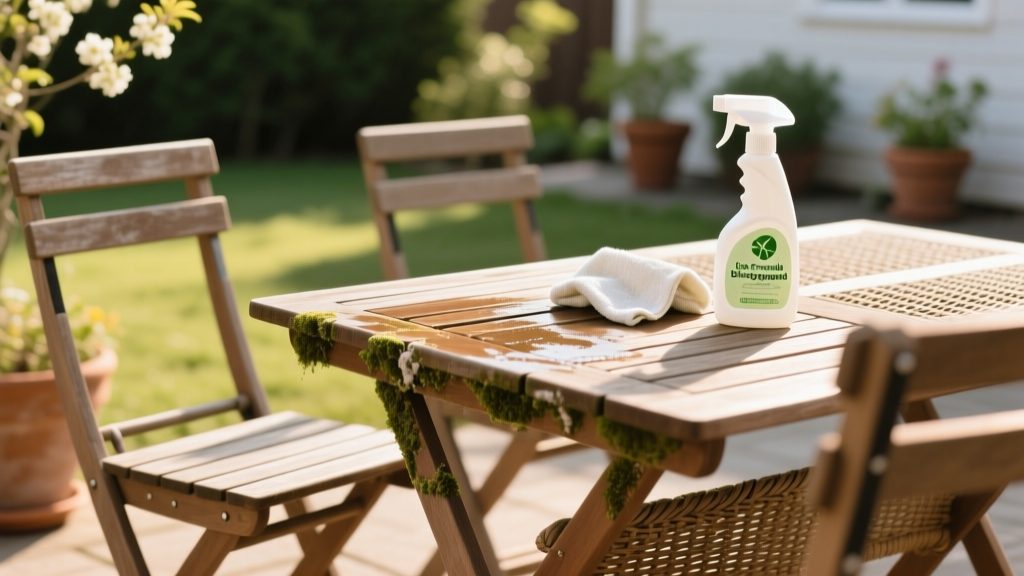
Spring Patio Furniture Cleaning to Eliminate Mold Spores
Anna KowalskiPublished
The Hidden Health Risks of Neglected Patio Furniture
As the frost thaws and temperatures rise, homeowners eagerly anticipate returning to their outdoor living spaces. However, the patio furniture that sat dormant through the damp, freezing winter months often harbors a hidden health hazard: mold, mildew, and trapped allergens. Bridging the gap between indoor comfort and outdoor living requires treating your patio with the same health-conscious rigor as your interior spaces. Neglecting your spring outdoor furniture cleaning routine can turn your relaxing backyard oasis into a hotspot for respiratory irritants.
According to the Environmental Protection Agency (EPA), outdoor mold spores such as Cladosporium and Alternaria can easily migrate indoors on clothing or be inhaled directly while you are relaxing on the patio. Exposure to these spores can trigger asthma attacks, allergic rhinitis, and chronic sinus irritation. Furthermore, pollen and dust mites become deeply embedded in outdoor cushion fabrics over the fall and winter. To protect your family's health and preserve your investment in outdoor decor, a comprehensive, material-specific deep cleaning protocol is essential before the summer season begins.
Essential Tools and Eco-Friendly Cleaning Solutions
Before you begin scrubbing, assemble the right tools to avoid damaging your furniture's protective finishes while effectively neutralizing biological contaminants. You will need a soft-bristle nylon brush, a microfiber cloth, a pump-action garden sprayer, and a vacuum with an upholstery attachment.
When it comes to cleaning agents, many homeowners mistakenly reach for harsh chlorine bleach. While bleach kills surface mold on non-porous materials, it can degrade wood fibers, corrode metal joints, and leave behind toxic residues that irritate the skin and lungs. Instead, opt for eco-friendly, health-safe alternatives that break down organic matter without compromising your outdoor air quality.
The Ultimate DIY All-Purpose Patio Cleaner
- Recipe: Mix 1 gallon of warm water, 1 cup of distilled white vinegar (a natural antifungal), and 1 tablespoon of Dawn Ultra dish soap.
- Cost: Approximately $3 per gallon.
- Best For: Routine cleaning, light mildew, and removing trapped pollen from metal and synthetic wicker.
Heavy-Duty Oxygen Bleach Solution
For stubborn black mold on porous surfaces like wood or canvas, oxygen bleach (such as OxiClean Outdoor) is vastly superior to chlorine bleach. It releases oxygen ions that lift mold roots out of the pores without toxic fumes. Mix one scoop of oxygen bleach powder per gallon of warm water. Allow it to sit for 15 minutes before scrubbing. A 3-pound tub costs around $15 and will last multiple seasons.
Step-by-Step Spring Cleaning Guide by Material
Different materials require specific maintenance techniques to ensure structural integrity and health safety. Follow these targeted steps for your patio set.
1. Wood Furniture (Teak, Cedar, and Acacia)
Wood is highly porous, making it a prime breeding ground for mold spores. If your teak or cedar furniture has developed a gray, weathered patina with dark mildew spots, a specialized cleaner is required.
- Step 1: Vacuum the crevices to remove loose spores and debris.
- Step 2: Apply a commercial wood cleaner like Star brite Premium Teak Cleaner ($25). Let it penetrate for 10 minutes.
- Step 3: Scrub gently with a soft brush in the direction of the wood grain to avoid splintering.
- Step 4: Rinse thoroughly with a garden hose (avoid high-pressure washers, which can gouge the wood).
- Step 5: Once completely dry, apply a penetrating sealer like Semco Teak Sealer ($30) to lock out moisture and prevent future mold growth.
2. Metal Furniture (Aluminum and Wrought Iron)
While metal does not harbor mold internally, the joints, screws, and woven slings attached to metal frames often trap moisture and organic debris.
- Step 1: Wash the frame using the DIY vinegar and dish soap solution.
- Step 2: Inspect for rust spots, which can harbor tetanus-causing bacteria and degrade structural health. Treat rust immediately with Naval Jelly Rust Dissolver ($12), leaving it on for 10 minutes before wiping clean.
- Step 3: Rinse and dry completely.
- Step 4: Apply a coat of automotive paste wax to aluminum frames. This creates a hydrophobic barrier that repels rain and prevents pollen from sticking to the surface.
3. Wicker and Rattan (Natural vs. Synthetic)
Natural rattan is highly susceptible to rot and mold if saturated. Synthetic resin wicker is more durable but traps dust and spores in its tight weaves.
- Natural Wicker: Never soak natural wicker. Use a barely damp microfiber cloth with a mild soap solution to wipe down the strands. Dry immediately with a towel and place in direct sunlight.
- Synthetic Resin: Use the pump sprayer to apply the oxygen bleach solution into the deep crevices. Let it sit for 10 minutes, agitate with a soft brush, and rinse thoroughly.
4. Outdoor Cushions and Fabrics (Sunbrella and Polyester)
Cushions are the biggest allergy culprits, harboring dust mites, pet dander, and mold. The University of Florida IFAS Extension recommends regular deep cleaning of outdoor textiles to prevent the degradation of fabric coatings and the buildup of allergens.
- Removable Covers: Machine wash on a gentle cycle with cold water and a mild, hypoallergenic detergent. Add half a cup of white vinegar to the rinse cycle to naturally soften the fabric and kill lingering bacteria. Air dry completely.
- Non-Removable Cushions: Spray generously with the vinegar solution. Scrub with a soft brush, then use a wet-dry vacuum to extract the dirty water and embedded spores. Prop the cushions on their edges in direct sunlight; UV rays are a natural disinfectant that helps destroy remaining mold DNA.
Cleaning Solutions Comparison Chart
Choosing the right chemical agent is crucial for both the longevity of your furniture and the health of your lungs. Refer to the table below to select the appropriate cleaner for your specific needs.
| Cleaning Agent | Best Used For | Estimated Cost | Health & Eco Safety |
|---|---|---|---|
| Distilled White Vinegar | Light mildew, pollen, routine metal wiping | $3 / gallon | High (Non-toxic, no fumes) |
| Oxygen Bleach Powder | Deep-set mold on canvas, wood, and grout | $15 / 3lb tub | High (Breaks down into oxygen and soda ash) |
| Chlorine Bleach | Non-porous surfaces only (Not recommended) | $4 / gallon | Low (Toxic fumes, skin irritant, damages plants) |
| Commercial Teak Cleaner | Restoring gray, weathered wood | $25 / bottle | Medium (Requires gloves, rinse thoroughly) |
Smart Home Integration for Preventative Maintenance
Maintaining a healthy outdoor living space extends beyond a single spring cleaning session; it requires ongoing environmental monitoring. By integrating smart home technology into your landscaping and patio maintenance routine, you can prevent mold before it starts.
Consider installing a smart weather station, such as the Ambient Weather WS-2902C ($199), which monitors localized micro-climate data, including ambient temperature and relative humidity. Using platforms like IFTTT (If This Then That) or Apple HomeKit, you can create automated alerts. For example, set a trigger that sends a push notification to your smartphone if your patio's humidity remains above 75% for more than 48 consecutive hours. This specific alert serves as your cue to deploy breathable, waterproof furniture covers, such as the Classic Accessories Veranda Collection ($40 to $90 per piece), which protect your cushions from prolonged dampness without trapping condensation underneath.
Additionally, integrating smart outdoor lighting with UV-C disinfection bulbs in your patio storage shed can help sanitize cushions and covers while they are stored during unpredictable spring rainstorms, ensuring that your outdoor textiles remain free of biological contaminants.
When to Restore vs. Replace: A Health Perspective
While deep cleaning can salvage most patio furniture, there is a threshold where restoration becomes a health hazard. If natural wicker or wooden furniture has developed soft, spongy spots indicative of dry rot, the structural integrity is compromised, and the mold has penetrated the core. Similarly, if outdoor foam cushions retain a musty odor even after a thorough washing and sun-drying, the inner foam has likely become a permanent reservoir for mold spores and dust mites.
In these cases, replacing the affected items is the only way to safeguard your respiratory health. When purchasing replacements, prioritize materials that inherently resist biological growth, such as powder-coated aluminum, high-density polyethylene (HDPE) lumber (like Trex Outdoor Furniture), and solution-dyed acrylic fabrics treated with antimicrobial coatings.
Conclusion
Treating your outdoor living space as an extension of your indoor environment is vital for year-round wellness. By dedicating a weekend to a thorough, material-specific spring cleaning, utilizing health-safe oxygen-based cleaners, and leveraging smart home humidity alerts, you can eliminate dangerous mold spores and allergens. Your patio will not only look inviting but will also serve as a safe, breathable sanctuary for you and your family to enjoy the warmer months ahead.
