Home & Garden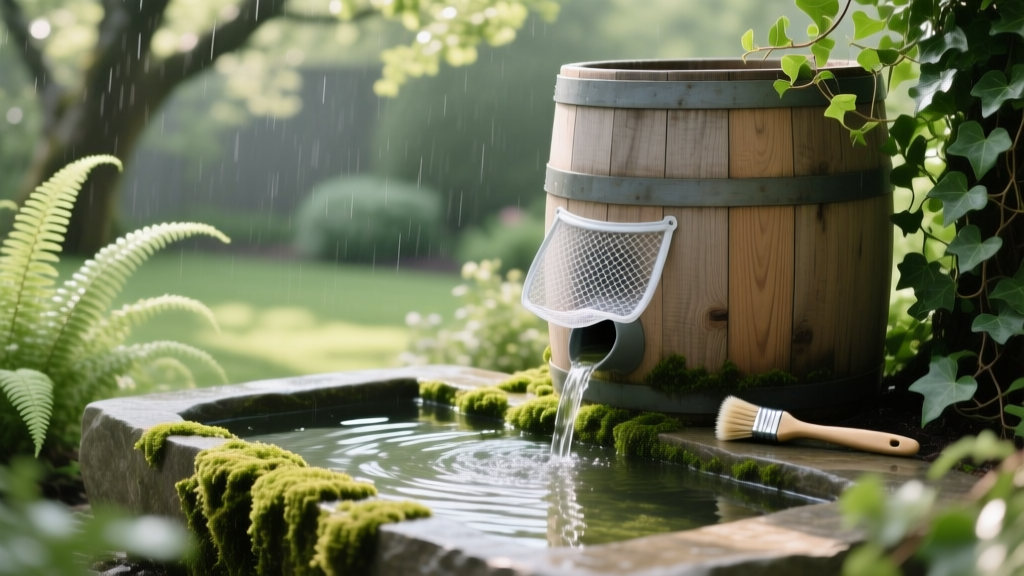
Spring Rain Barrel and Water Feature Health Maintenance
Lisa ThompsonPublished
The Hidden Health Hazards of Stagnant Spring Water
As the frost thaws and daytime temperatures consistently climb above 50°F, homeowners eagerly transition back to their outdoor living spaces. However, the shift from winter to spring brings a critical, often overlooked maintenance window that directly impacts the health and safety of your household. Standing water in neglected rain barrels, birdbaths, and decorative water features transforms into a prime breeding ground for vectors of disease and harmful pathogens.
According to the Centers for Disease Control and Prevention (CDC), mosquitoes can complete their life cycle in as little as four days in warm, stagnant water. Beyond the nuisance of bites, species like the Aedes aegypti and Culex pipiens are known carriers of West Nile Virus, Zika, and Eastern Equine Encephalitis. Furthermore, stagnant water features can harbor Legionella bacteria and toxic blue-green algae (cyanobacteria), which pose severe respiratory and neurological risks to humans and pets alike. Proactive spring maintenance is not just about aesthetics; it is a fundamental pillar of seasonal home and garden health.
Rain Barrel Rehabilitation: A Step-by-Step Guide
Rain barrels are fantastic tools for water conservation and energy-efficient landscaping, typically saving a household up to 1,300 gallons of water during peak summer months. However, after a long winter of freezing temperatures and organic debris accumulation, they require a thorough rehabilitation before being reconnected to your downspouts.
Step 1: Drain, Inspect, and Clear Debris
Begin by opening the bottom spigot and allowing any residual winter melt to drain completely. Remove the top lid and inspect the interior. You will likely find a sludge layer composed of decaying leaves, roof shingle grit, and pollen. Use a plastic putty knife to scrape out the bulk of this sludge. Avoid metal scrapers, as they can gouge the interior plastic (usually high-density polyethylene, or HDPE), creating microscopic crevices where bacteria can hide and multiply.
Step 2: Deep Cleaning and Sanitization
To eliminate overwintering pathogens and algae spores, a deep clean is mandatory. While some gardeners rely on harsh chlorine bleach, this can harm your soil microbiome if the initial flush enters your garden beds. Instead, opt for a garden-safe oxygen bleach solution or a white vinegar mix.
- Vinegar Method: Mix 1 cup of standard 5% white vinegar per gallon of warm water. Fill the barrel halfway, secure the lid, and roll it on its side across your lawn for 10 minutes to ensure all interior surfaces are coated. Let it sit for one hour before draining.
- Oxygen Bleach Method: Dissolve 2 scoops of a powdered oxygen cleaner (such as OxiClean Outdoor, approx. $12) in warm water. Fill the barrel and let it sit for four hours. This method breaks down into harmless oxygen and sodium carbonate, making it entirely safe for subsequent garden irrigation.
Step 3: Hardware and Screen Maintenance
Winter freeze-thaw cycles frequently crack plastic spigots and degrade rubber O-rings. Inspect your 3/4-inch spigot for micro-fractures. If you notice any weeping, replace it with a solid brass spigot (costing approximately $20 to $28 at most hardware stores). Wrap the threads with three layers of PTFE plumber tape to ensure a watertight seal. Next, check the top inlet screen. To prevent adult mosquitoes from entering to lay eggs, the screen must be a minimum of 18x18 mesh (roughly 1/16-inch openings). If your screen is torn, replace it with a piece of 1/4-inch hardware cloth, secured with a heavy-duty bungee cord or stainless steel hose clamp.
Reviving Decorative Water Features and Ponds
Water features, such as cascading fountains, pondless waterfalls, and koi ponds, bridge the gap between indoor tranquility and outdoor living. Yet, the pumps and basins that power them require specific seasonal attention to prevent mechanical failure and biological hazards.
Pump Servicing and Calcium Removal
Submersible pumps are the heart of any water feature. Before restarting your pump for the spring, inspect the intake grate for trapped debris. If the pump housing is coated in white, crusty calcium deposits from last season’s hard water, submerge the pump in a bucket filled with a 50/50 solution of white vinegar and distilled water for 12 hours. This gentle acid bath will dissolve mineral scale without damaging the internal magnetic drive or rubber seals. Rinse thoroughly with a garden hose before reinstalling.
Sludge Eradication and Biological Balancing
The basin of a pondless waterfall or the bottom of a decorative pond accumulates anaerobic sludge over time. This sludge releases hydrogen sulfide (the "rotten egg" smell) and fosters harmful bacteria. Use a specialized pond vacuum or a wet/dry shop vac to remove the physical sludge. Follow this by introducing beneficial bacteria to outcompete algae and break down microscopic organics. Products like Aquascape Beneficial Bacteria for Ponds (approx. $28 for a 32 oz bottle) contain concentrated strains of heterotrophic bacteria that thrive in water temperatures above 50°F. Apply the initial spring dose at double the standard rate to rapidly colonize the biological filter media.
Biological vs. Chemical Mosquito Control Strategies
Even with meticulous cleaning, temporary pooling of water in saucers, low-lying garden beds, or water feature splash zones is inevitable during heavy spring rains. Implementing a targeted larvicide strategy is crucial for long-term health and safety. Below is a comparison of the most effective treatment options available to homeowners.
| Control Method | Active Ingredient / Mechanism | Estimated Cost | Pet & Plant Safety | Effective Duration |
|---|---|---|---|---|
| BTI Dunks / Bits | Bacillus thuringiensis israelensis (Biological bacteria) | $8 - $12 (6-pack) | 100% Safe for pets, fish, birds, and edible plants | 30 Days (Dunks) / 7 Days (Bits) |
| Mosquito Fish | Gambusia affinis (Biological predator) | $15 - $30 (per dozen, local supplier) | Safe, but may eat amphibian eggs; not for small containers | Permanent (if they survive winter) |
| Horticultural Oils | Petroleum-based surface suffocant | $10 - $15 (16 oz bottle) | Unsafe for fish/ponds; can harm aquatic plants | 7 - 14 Days |
| Chemical Larvicides | Methoprene or Spinosad | $15 - $25 | Generally safe for mammals, but toxic to some aquatic invertebrates | 30 - 60 Days |
For the health-conscious homeowner maintaining a garden-to-table lifestyle, BTI (Bacillus thuringiensis israelensis) is the undisputed gold standard. BTI is a naturally occurring soil bacterium that produces proteins toxic only to the digestive systems of mosquito, black fly, and fungus gnat larvae. It has absolutely no adverse effects on humans, pets, pollinators, or the soil food web. Crushing a single BTI dunk and sprinkling the granules into rain barrel overflows, French drain catch basins, and muddy tire ruts provides a highly effective, non-toxic shield for your property.
Smart Home Integration for Water Monitoring
Modern seasonal maintenance extends beyond physical labor into the realm of smart home integration. By leveraging affordable IoT (Internet of Things) devices, you can monitor the health and functionality of your outdoor water systems remotely.
Consider installing an outdoor-rated smart plug, such as the TP-Link Kasa Outdoor Smart Plug (approx. $25), to control your water feature pump. This allows you to set automated schedules that align with your family’s outdoor living hours, reducing energy consumption and preventing the pump from running dry if a leak occurs. Pair this with a Wi-Fi-enabled water leak and freeze sensor placed near the base of your rain barrel. If an unseasonal late-spring freeze threatens to crack your barrel’s plumbing, or if a diverter hose slips off its fitting, the sensor will instantly push a notification to your smartphone, allowing you to intervene before thousands of gallons of water erode your home’s foundation or flood your landscaping.
Expert Insights and Authoritative Citations
When planning your seasonal maintenance calendar, it is vital to rely on peer-reviewed and institutionally backed data rather than anecdotal gardening myths. The Centers for Disease Control and Prevention (CDC) explicitly recommends the "Tip and Toss" method combined with BTI treatments as the primary defense against urban mosquito breeding. Furthermore, the University of California Agriculture and Natural Resources (UC ANR) provides extensive guidelines on rainwater harvesting, emphasizing that opaque, food-grade barrels equipped with tight-fitting, 1/16-inch mesh screens are essential for preventing both algae photosynthesis and vector intrusion.
"Properly maintained rain barrels and water features are assets to a sustainable landscape. Neglected ones, however, are public health liabilities. The integration of biological controls like BTI and physical barriers like fine mesh screening represents the most ecologically sound approach to water management in the home garden." — Adapted from UC ANR Pest Management Guidelines on Mosquitoes.
Conclusion
Bridging the gap between indoor comfort and outdoor vitality requires a proactive approach to seasonal maintenance. By dedicating a single weekend in early spring to deep-cleaning your rain barrels, servicing your water feature pumps, and establishing a biological mosquito control regimen, you safeguard your family’s health against waterborne pathogens and vector-borne diseases. Coupled with smart home monitoring, these actionable steps ensure your garden remains a safe, thriving, and beautiful extension of your home throughout the growing season.
