Lawn Care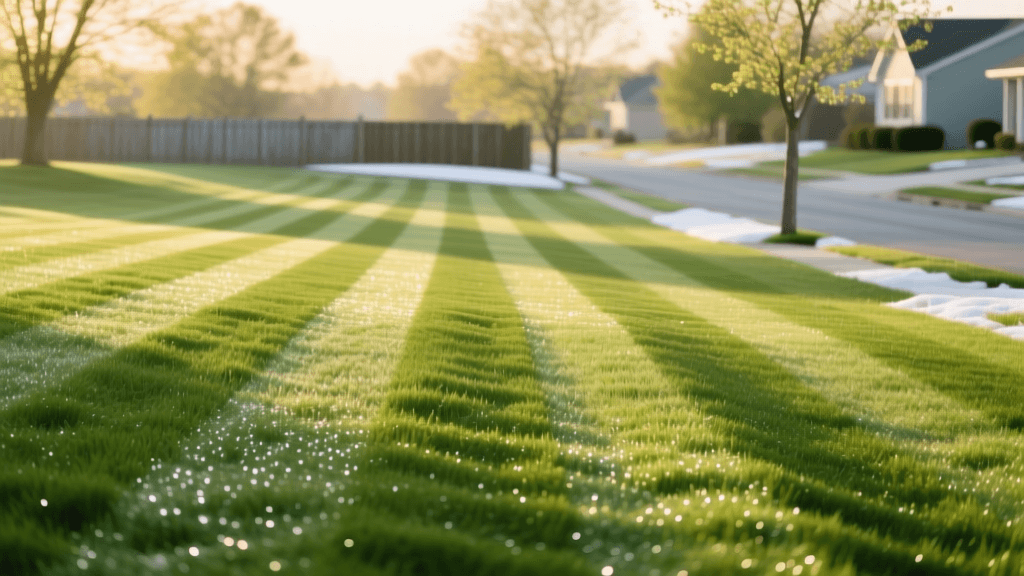
2026 Snow Mold Recovery Guide for Perfect Lawn Striping
The Intersection of Turf Health and Aesthetic Geometry
Achieving the pristine, alternating light-and-dark stripes of a professional baseball outfield or a Wimbledon tennis court is the ultimate goal for many home lawn care enthusiasts. However, the secret to flawless lawn striping is not just the mower or the roller you use; it is the underlying health, density, and structural integrity of the grass blade itself. As we navigate the 2026 growing season, one of the most significant barriers to achieving these aesthetic patterns in early spring is snow mold. This fungal disease mats down the turf, rots the crown, and destroys the very blade structure required to bend and reflect light. You simply cannot stripe a dead, matted, or diseased lawn. This comprehensive guide bridges the gap between agronomic disease management and high-end aesthetic lawn care, ensuring your turf is perfectly prepped for the roller this spring.
Understanding Snow Mold: The Enemy of Light Reflection
To understand why snow mold ruins striping patterns, we must first understand the physics of lawn stripes. Stripes are created by bending grass blades in opposite directions. When blades are bent away from you, the waxy, light-reflecting top surface is exposed, creating a light stripe. When bent toward you, the darker, shaded underside is visible. Snow mold destroys this mechanism in two primary ways:
- Gray Snow Mold (Typhula spp.): This fungus thrives under prolonged snow cover. It creates circular, matted patches of straw-colored turf. The mycelium literally glues the grass blades to the soil surface, making it impossible for a striping roller to lift and bend them uniformly.
- Pink Snow Mold (Microdochium nivale): Despite its name, this mold does not require snow and can occur in cool, wet spring conditions. It attacks the crown of the plant, thinning out the turf canopy. A sparse canopy results in weak, fragmented stripes with visible soil gaps.
According to the University of Minnesota Extension, snow mold damage is often exacerbated by excessive late-fall nitrogen and poor drainage, both of which promote lush, weak growth that collapses under winter stress. For the aesthetic-focused turf manager, preserving the rigid, upright cell structure of the blade through the winter is paramount.
Late Fall Prevention: Prepping the Canvas
The recovery process for spring striping actually begins in the late fall of the previous year. If you are dealing with snow mold in the spring of 2026, it is likely due to a misstep in your late-2025 winterization routine. To prevent future outbreaks and ensure a dense canvas for striping, follow these prevention protocols:
1. Tapering the Mowing Height
Long grass bends over under the weight of snow, creating the perfect humid microclimate for fungal spores to germinate. Gradually lower your mowing height over the last three cuts of the season. For cool-season grasses like Kentucky Bluegrass and Fescue, aim for a final winterizing height of exactly 2.0 to 2.5 inches. This keeps the blade upright and structurally sound without scalping the crown.
2. Potassium-Rich Winterizers
Avoid high-nitrogen fertilizers after early October. Nitrogen promotes soft, succulent leaf tissue that is highly susceptible to fungal penetration. Instead, apply a potassium-heavy winterizer (such as a 0-0-60 or 8-2-24 N-P-K ratio). Potassium acts as an antifreeze for the plant, thickening the cell walls of the grass blade and making it more rigid—a crucial trait for crisp striping later on.
3. Meticulous Leaf Removal
Leaves trap moisture and block sunlight, mimicking the conditions of snow cover. Use a high-powered mulching mower or a dedicated leaf vacuum to remove all organic debris before the first hard freeze.
Spring Recovery Protocol: Reviving the Blade
If you wake up to a spring lawn scarred by gray or pink snow mold, immediate aesthetic recovery is required before you can even think about attaching a striping kit to your mower. The goal is to lift the matted turf, encourage new lateral growth, and restore canopy density.
Step 1: Gentle Mechanical Lifting
Do not use a heavy power rake or dethatcher on wet, recovering turf; this will tear the weakened crowns out of the soil. Instead, use a flexible bamboo or poly-tine leaf rake to gently lift the matted snow mold patches. This introduces airflow to the soil surface and helps the surviving grass blades stand upright again. As noted by Purdue University's Turfgrass Science program, gentle raking accelerates the drying process, which naturally halts the progression of Microdochium nivale.
Step 2: Targeted Fungicide Application
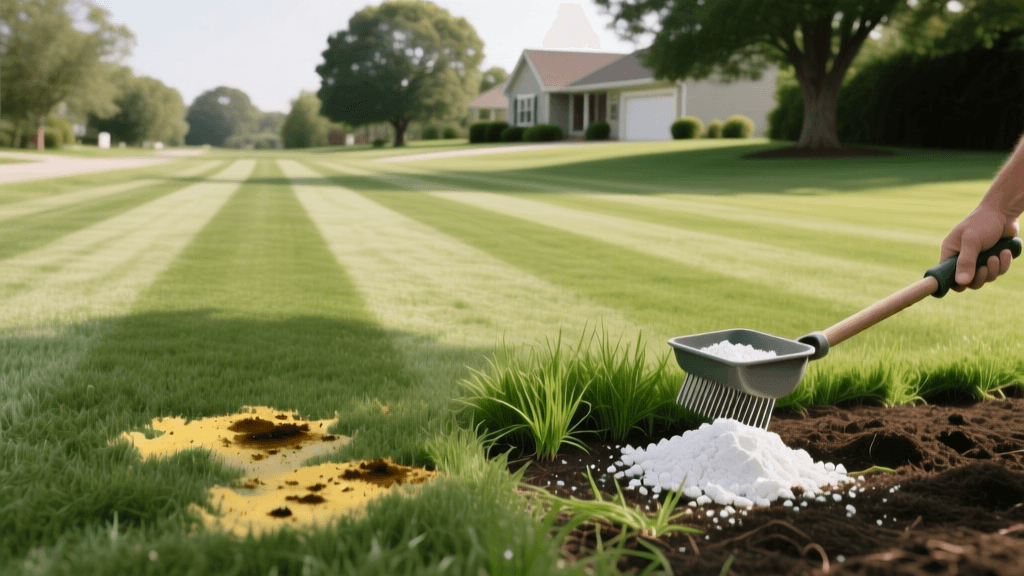
If pink snow mold is actively expanding in cool, wet spring weather, apply a curative fungicide. In 2026, products containing Azoxystrobin or Propiconazole remain the gold standard for home lawn disease control. Apply strictly according to the label rates, and wait for the turf to dry completely before attempting to mow or stripe.
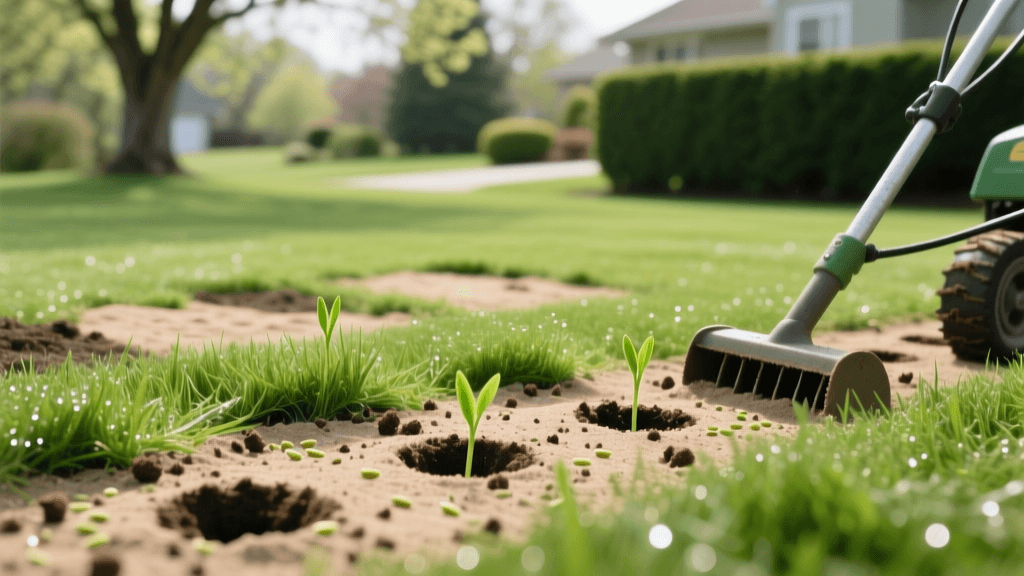
Step 3: Spot Overseeding for Canopy Density
Stripes look best when the turf is incredibly dense. Any dead patches larger than a dinner plate must be overseeded. Use a premium, disease-resistant Kentucky Bluegrass or Turf-Type Tall Fescue blend. Top-dress with a thin layer of compost to retain moisture and protect the seed.
2026 Striping Equipment Comparison
Once the snow mold is eradicated and the turf is standing upright, you need the right equipment to bend the blades without crushing the newly recovered crowns. The market for lawn striping kits has evolved, offering specialized solutions for different mower types. Below is a comparison of the top-rated striping equipment for the 2026 season:
| Equipment Model | Best Application | 2026 Est. Price | Stripe Quality on Recovered Turf |
|---|---|---|---|
| Toro 22" Recycler Stripe Kit | Standard Push Mowers | $45.00 | Good (Requires multiple passes) |
| Agri-Fab 42" Tow-Behind Roller | Lawn Tractors / Riding Mowers | $135.00 | Excellent (Deep, lasting bends) |
| Big League EZ Stripe Pro | Zero-Turn Commercial Mowers | $165.00 | Professional (Stadium-quality contrast) |
| DIY PVC Sand-Filled Roller | Custom Push Mower Setups | $25.00 | Variable (Depends on weight calibration) |
For lawns recovering from snow mold, a lighter roller or a flexible rubber flap kit (like the Toro or Big League options) is often preferred over heavy steel water-filled rollers, which can compact wet spring soils and damage fragile new root systems.
Execution: Mowing Techniques for Post-Recovery Turf
With a healthy, disease-free canopy and the right equipment, the final step is the execution of the pattern. Mowing a recovering lawn requires precision to avoid stressing the turf while maximizing visual impact.
Blade Sharpness is Non-Negotiable
A dull mower blade shreds the tip of the grass leaf, causing it to turn white and fray. This fraying destroys the smooth, waxy surface needed to reflect sunlight, resulting in dull, washed-out stripes. Sharpen your mower blades at the start of the spring season and after every 25 hours of use. A razor-sharp cut ensures the blade bends cleanly at the roller rather than snapping or creasing.
The Moisture Factor
Pro Tip: The best time to stripe a lawn is when the grass is slightly damp but not soaking wet. Morning dew or a very light irrigation provides the exact amount of turgor pressure needed for the blades to bend smoothly under the roller and hold their shape for days.
Creating the Checkerboard
To achieve a multi-dimensional checkerboard pattern, you must mow the lawn twice at perpendicular angles. First, mow parallel stripes using the edge of your driveway or a string line as a guide. Then, mow a second set of stripes at a 90-degree angle to the first. When overlapping your passes, ensure your mower wheels follow the exact same tracks to avoid creating 'wavy' lines that ruin the geometric illusion.
Conclusion: Patience Yields Perfection
Recovering a lawn from snow mold and transitioning it into a flawlessly striped masterpiece is a test of patience and agronomic knowledge. By focusing on fall prevention, executing a gentle spring recovery, and utilizing the correct 2026 striping equipment, you can transform a diseased, matted yard into a pristine, stadium-quality canvas. Remember that the health of the soil and the structural integrity of the grass blade will always dictate the quality of your stripes. Treat the turf right, and the aesthetics will naturally follow.