Gardening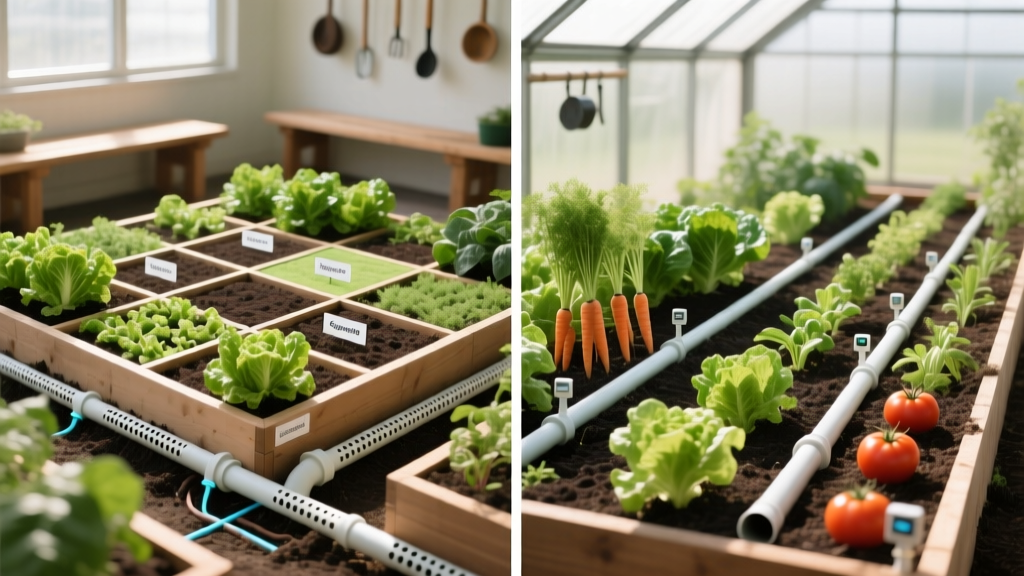
Square Foot vs Row Planting: 2026 Drainage Pipe Guide
James MillerPublished
The 2026 Vegetable Garden: Why Layout Dictates Drainage
As we navigate the 2026 growing season, extreme weather patterns and unpredictable spring deluges have made one thing abundantly clear: proper water management is no longer optional for serious home gardeners. When planning your vegetable garden layout, the debate between the intensive Square Foot Gardening (SFG) method and traditional in-ground row planting often centers on yield, space efficiency, and weed control. However, from a subsurface infrastructure perspective, the choice between these two methods fundamentally alters how you must install and route your landscape drainage pipe systems.
Waterlogged soil destroys vegetable yields by suffocating roots, promoting fungal pathogens, and leaching essential nutrients. According to the USDA NRCS Water Management guidelines, maintaining optimal soil moisture through subsurface drainage is critical for preserving soil structure and ensuring crop viability. Whether you are building 4x4 raised beds for square foot gardening or tilling long rows for corn and squash, integrating a perforated landscape drainage pipe is the ultimate insurance policy for your 2026 harvest.
Square Foot Gardening: Managing the Raised Bed Bathtub Effect
Square Foot Gardening relies on concentrated, raised beds—typically 4 feet by 4 feet—filled with a specific soil mix (often a blend of peat moss or coconut coir, vermiculite, and compost). While this method maximizes yield in small spaces, it introduces a unique hydrological challenge: the bathtub effect. If your native soil beneath the raised bed is heavy clay, water draining from the loose, organic bed soil will hit the impermeable clay layer and pool at the base of the bed, rotting the roots of deep-growing crops like tomatoes and carrots.
The Perimeter French Drain Solution
To combat this in a square foot layout, you must install a perimeter landscape drainage pipe system around the base of your raised beds before you even begin filling them with soil. In 2026, the industry standard for this application is a 4-inch corrugated, perforated landscape drainage pipe wrapped in a non-woven geotextile fabric sock.
- Trench Depth: Dig a trench 12 inches deep and 8 inches wide around the exact perimeter of your planned bed layout.
- Pipe Placement: Lay the fabric-wrapped corrugated pipe in the trench. Ensure the perforations are facing downward, which current hydrological best practices dictate allows water to enter the pipe more efficiently from the saturated soil base.
- Gradient: Maintain a strict slope of 1/8 inch per foot to daylight or a dry well.
- Backfill: Cover the pipe with 3/4-inch washed drainage gravel, leaving 2 inches of space at the top before placing your raised bed frame directly over the compacted gravel base.
Traditional Row Planting: Deep Trenching and Herringbone Layouts
Traditional row planting involves cultivating vegetables directly in the native ground soil, spaced in rows typically 30 to 36 inches apart to accommodate walking paths and rototillers. The primary threat to subsurface drainage pipes in a row-planted garden is mechanical damage. A standard rear-tine rototiller can easily dig 8 to 10 inches deep, which will crush shallow corrugated pipes and destroy your drainage infrastructure.
The Herringbone PVC Solution
For row planting, you must utilize a herringbone or parallel French drain layout buried well below the tiller pan. Furthermore, rigid Schedule 40 PVC pipe is highly recommended over flexible corrugated pipe for the main lines in row gardens, as it can withstand the heavy soil compaction and occasional deep-rooting crops without collapsing.
- Trench Depth: Trenches must be dug to a minimum depth of 18 to 24 inches. This places the landscape drainage pipe safely below the hardpan and out of reach of standard gardening equipment.
- Pipe Selection: Use 4-inch rigid PVC with drilled perforations for the main collector lines, and heavy-duty corrugated pipe for the lateral branches.
- Layout Strategy: Run the main solid PVC collector line down the lowest elevation edge of your garden. Run perforated lateral lines diagonally through the row pathways (not directly under the planting rows) in a herringbone pattern to intercept lateral water movement.
For comprehensive specifications on pipe load-bearing ratings and proper trench bedding, consult the NDS Drainage Systems technical documentation, which remains the gold standard for residential and agricultural subsurface water routing.
2026 Comparison Chart: SFG vs. Row Planting Drainage
| Feature | Square Foot Layout (Raised Beds) | Traditional Row Layout (In-Ground) |
|---|---|---|
| Primary Drainage Threat | The Bathtub Effect (water pooling on clay hardpan) | Surface runoff and soil compaction from foot traffic |
| Recommended Pipe Material | 4-inch Corrugated with Geotextile Sock | 4-inch Rigid Schedule 40 PVC (Main) & Corrugated (Laterals) |
| Minimum Trench Depth | 12 inches (Perimeter only) | 18 to 24 inches (Below tiller depth) |
| Pipe Routing | Perimeter loop around bed footprints | Herringbone pattern routed through walking paths |
| Estimated 2026 Material Cost | $3.50 - $5.00 per linear foot | $6.00 - $9.50 per linear foot (due to PVC & deeper trenching) |
Step-by-Step Installation Best Practices for 2026
Regardless of whether you choose square foot or row planting, the fundamental physics of water movement remain unchanged. Follow these actionable steps to ensure your landscape drainage pipe system functions flawlessly throughout the 2026 season and beyond.
1. Map the Topography and Calculate the Fall
Water requires gravity to move. Before digging, use a laser level or a string line with a line level to map the natural grade of your garden. You must achieve a minimum slope of 1% (a 1-inch drop for every 100 inches of pipe). If your garden is entirely flat, you will need to dig progressively deeper trenches as you move toward the discharge point to create an artificial slope.
2. Line the Trench with Geotextile Fabric
Never skip the fabric layer. In 2026, non-woven geotextile drainage fabric is widely available and essential for preventing silt and clay particles from migrating into your gravel and clogging the landscape drainage pipe. Drape the fabric over the trench, leaving enough excess on the sides to completely wrap over the top of the gravel bed once filled.
3. Bed the Pipe in Washed Gravel
Place a 2-inch base of 3/4-inch washed angular gravel at the bottom of the trench. Angular gravel locks together, creating stable void spaces for water to flow, whereas rounded river rock can shift and crush the pipe. Lay your perforated pipe on this gravel bed. Crucial Tip: Always install perforated pipe with the holes facing down. As the water table rises, it enters the bottom of the pipe first, preventing the pipe from acting as a silt trap.
4. Backfill and Wrap
Cover the pipe with an additional 4 to 6 inches of washed gravel. Fold the excess geotextile fabric over the top of the gravel to create a complete "burrito" wrap. This ensures that no native soil touches the gravel or the pipe. Finally, backfill the remaining trench with native topsoil, mounding it slightly to account for natural settling over the first few heavy rains.
Final Thoughts for the 2026 Harvest
Choosing between square foot gardening and traditional row planting is a deeply personal decision based on your available space, physical mobility, and crop preferences. However, viewing your garden layout through the lens of subsurface water management elevates your gardening from a hobby to a resilient, engineered ecosystem. By correctly sizing, routing, and installing your landscape drainage pipe infrastructure tailored to your specific layout method, you guarantee that your vegetable roots receive the perfect balance of moisture and oxygen. Invest the time in trenching and pipe installation this spring, and your 2026 harvest will reward you with vigorous, disease-free crops regardless of what the weather brings.
