Pest Control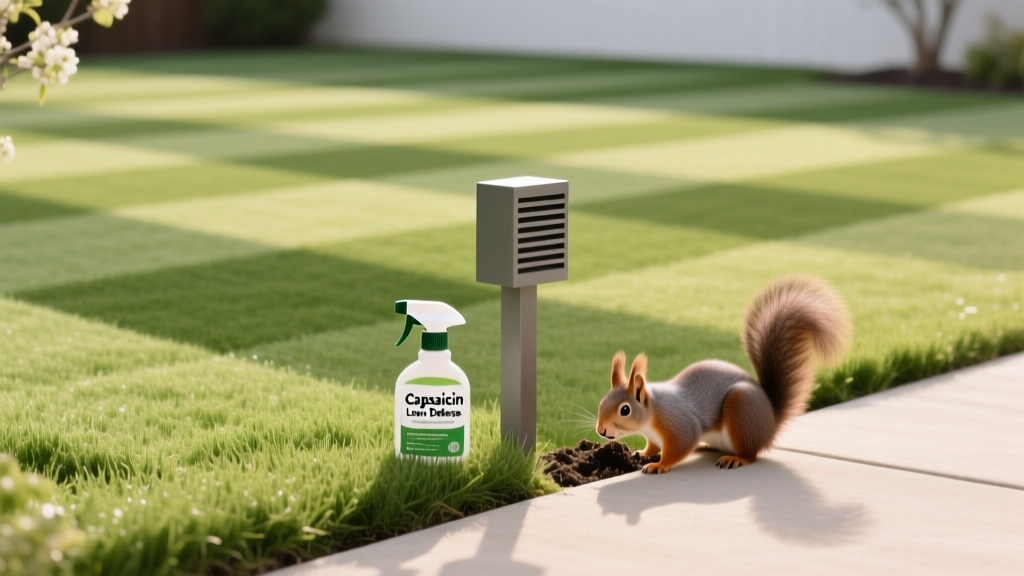
Protect Lawn Stripes 2026: Squirrel Baffles & Capsaicin
James MillerPublished
The Intersection of Lawn Aesthetics and Pest Control
In 2026, lawn striping has evolved from a simple mowing technique into a high-art aesthetic pursuit. Homeowners and turf enthusiasts are investing in advanced precision mowers, weighted striping kits, and specialized turfgrass cultivars to create breathtaking checkerboards, diamonds, and concentric waves. However, achieving a flawless geometric pattern requires more than just a sharp mower blade; it demands a perfectly graded, undisturbed soil base. Nothing ruins the visual continuity of a pristine striped lawn faster than a squirrel digging up your carefully maintained topsoil to bury an acorn or unearth a cached nut.
The art of lawn striping relies on the physics of light refraction. When you bend grass blades in opposite directions using a striping kit, the light reflects off the glossy tops and matte undersides of the blades, creating contrasting dark and light bands. Squirrel digging disrupts the thatch layer, creates uneven soil mounds, and severs the rhizomes and stolons of the turf. This causes the grass to grow irregularly, destroying the uniform bend required for crisp, high-contrast stripes. To maintain the aesthetic perfection of your lawn in 2026, integrating targeted pest control—specifically using physical tree baffles and botanical capsaicin sprays—is absolutely essential.
Understanding Squirrel Behavior in Manicured Landscapes
Tree squirrels, particularly the Eastern Gray Squirrel and the Fox Squirrel, are prolific hoarders. According to the Cornell University Wildlife Damage Management program, squirrels create thousands of shallow caches in the fall and winter, and spend the spring digging them up. A freshly striped lawn with soft, well-aerated soil is essentially a blank canvas for their caching activities.
When a squirrel digs a two-inch hole in the middle of a meticulously striped Kentucky Bluegrass or Perennial Ryegrass lawn, it leaves behind a mound of loose dirt. When you run a heavy striping mower over these mounds, the mower deck dips, leading to localized scalping. Scalped grass turns brown and refuses to bend uniformly, creating a permanent visual blemish in your striped pattern until the turf can recover. Therefore, deterring squirrels is not just about protecting your grass seed; it is about preserving the structural integrity of your aesthetic landscape design.
Step 1: Installing Tree and Feeder Baffles
The most effective way to keep squirrels off your striped lawn is to restrict their aerial access and limit their reasons for visiting the yard. Squirrels typically enter a lawn by leaping from overhanging tree branches or by visiting poorly protected bird feeders. By installing specialized baffles, you can create a physical barrier that forces them to bypass your manicured turf.
Torpedo Baffles for Tree Trunks
Torpedo baffles are elongated, cylindrical metal or heavy-duty polycarbonate tubes that wrap around the trunk of a tree. In 2026, the most effective models are at least 24 inches long and feature a smooth, powder-coated finish that prevents squirrel claws from gaining traction.
- Placement Height: Install the bottom of the baffle at least 6 feet above the ground. Squirrels can jump vertically up to 4 feet, so a 6-foot clearance ensures they cannot simply leap over the barrier.
- Tree Clearance: Ensure there is a 1-inch gap between the baffle and the tree bark to allow for the tree's natural growth and to prevent moisture trapping, which can lead to fungal bark diseases.
Cone Baffles for Bird Feeders and Poles
If you have bird feeders near your striped lawn, spilled seed attracts squirrels, encouraging them to forage and dig in the adjacent turf. Wide cone baffles (at least 18 inches in diameter) mounted on feeder poles prevent squirrels from climbing up. By keeping the squirrels focused on the feeder (or forcing them to leave entirely), you protect the pristine borders of your lawn patterns.
Step 2: Applying Capsaicin Spray for Invisible Perimeters
While baffles stop squirrels from dropping into your lawn from above, they do not stop them from running in from neighboring properties. This is where capsaicin spray becomes your most valuable Integrated Pest Management (IPM) tool. Capsaicin is the active chemical compound found in chili peppers that produces a burning sensation in mammals. Crucially, birds lack the receptors for capsaicin, meaning you can safely use it around bird feeders without harming local avian wildlife.
The University of California Statewide IPM Program notes that taste and odor repellents like capsaicin are highly effective for protecting specific landscape zones from squirrel foraging. For lawn striping enthusiasts, capsaicin is the ultimate deterrent because it is completely invisible. Unlike physical netting or granular repellents that can stain the grass or disrupt the visual flow of your stripes, a liquid capsaicin spray dries clear, leaving the light-refracting properties of your turf completely unaltered.
Formulation and Application Rates
In 2026, commercial botanical repellents utilize highly concentrated capsaicin extracts, often measured between 50,000 and 500,000 Scoville Heat Units (SHU). To protect your lawn stripes, you should create an invisible perimeter barrier and treat high-traffic caching zones.
- Perimeter Spraying: Apply a commercial capsaicin spray along the outer 3-foot border of your lawn, focusing on the edges near fences, garden beds, and tree lines. This creates a 'spicy' boundary that discourages squirrels from crossing into the main striped area.
- Targeted Spot Treatment: If you notice fresh digging in a specific section of a stripe, lightly mist the area with capsaicin spray. The lingering scent and taste will deter the squirrel from returning to finish its cache.
- Timing and Reapplication: Capsaicin breaks down under intense UV light and washes away with rain or heavy irrigation. Because maintaining striped lawns requires deep, infrequent watering to encourage deep root growth, you must reapply the spray immediately after your irrigation cycle or any significant rainfall.
2026 Product Comparison: Baffles vs. Capsaicin Formulations
Choosing the right combination of physical and chemical deterrents is key to maintaining a flawless aesthetic. Below is a comparison of the top IPM strategies for protecting lawn stripes from squirrel damage.
| Deterrent Method | Mechanism of Action | Impact on Lawn Aesthetics | Estimated 2026 Cost | Maintenance Level |
|---|---|---|---|---|
| Metal Torpedo Baffle (24-inch) | Physical barrier on tree trunks | None (installed off-lawn) | $35 - $55 per unit | Low (annual inspection) |
| Polycarbonate Cone Baffle (18-inch) | Blocks pole-climbing to feeders | None (installed off-lawn) | $25 - $40 per unit | Low (clean debris off top) |
| Commercial Liquid Capsaicin (50k SHU) | Olfactory and taste deterrent | Invisible (dries clear) | $20 - $30 per 32oz bottle | High (reapply after water/rain) |
| DIY Hot Pepper Wax Spray | Taste deterrent with wax binder | Slight temporary haze on grass | $10 - $15 (ingredients) | Medium (wax resists light water) |
Integrating IPM into Your Weekly Striping Routine
To achieve the perfect lawn pattern, pest control must be seamlessly integrated into your mowing and maintenance schedule. Squirrels are most active in the early morning and late afternoon. Therefore, the best time to apply capsaicin spray is at dusk, allowing the liquid to dry completely overnight before you begin your morning mowing and striping routine.
'A perfect stripe is born from perfect soil. If your soil profile is constantly churned by foraging mammals, no striping kit in the world can hide the resulting uneven turf canopy. Deterrence is the first step in aesthetic turf management.' — 2026 Turfgrass Aesthetic Management Guidelines
Before you engage your striping kit, always walk the lawn to inspect for fresh digging. If you find a hole, fill it immediately with a topsoil and sand mix that matches your existing grade, tamp it down firmly, and apply a targeted mist of capsaicin. This immediate remediation prevents the mower deck from dipping and ensures the grass blades in that section will bend at the exact same angle as the surrounding turf.
Long-Term Soil and Turf Health for Perfect Patterns
Healthy, deeply rooted turfgrass is naturally more resistant to minor pest disturbances. By maintaining a strict fertilization and aeration schedule, you encourage dense rhizome networks that make it physically harder for squirrels to dig. Furthermore, keeping your mower blades razor-sharp ensures clean cuts, which reduces plant stress and promotes the rigid cellular structure needed to hold a stripe for days after mowing.
Ultimately, protecting your lawn stripes in 2026 requires a holistic approach. By combining the physical exclusion of tree and feeder baffles with the invisible, aesthetic-preserving power of capsaicin sprays, you can enjoy breathtaking, uninterrupted lawn patterns all season long. Your landscape will remain a testament to precision mowing, free from the chaotic disruptions of foraging wildlife.