Pest Control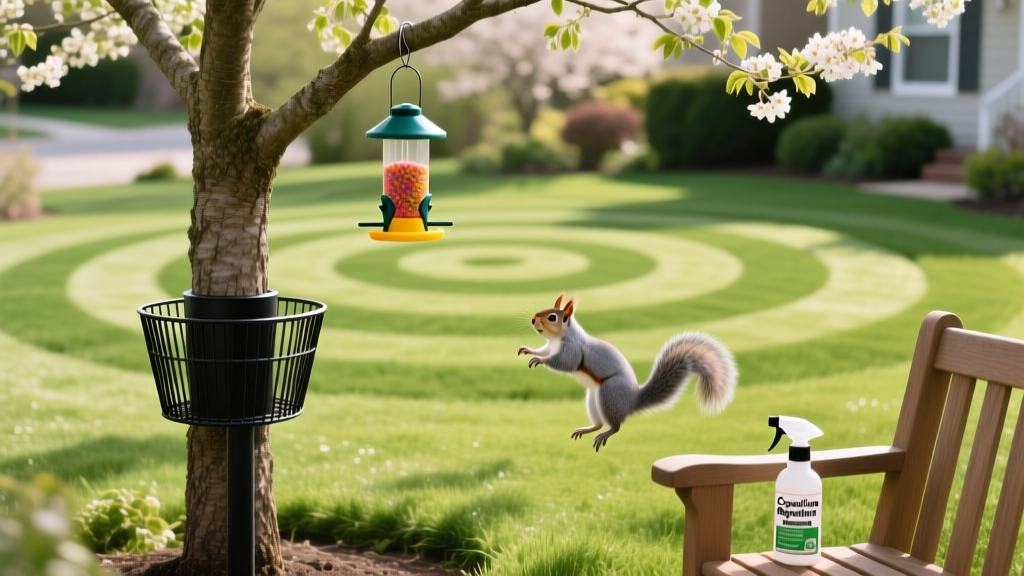
Squirrel Control 2026: Baffles, Capsaicin Spray & Mowing Patterns
Lisa ThompsonPublished
The 2026 Integrated Approach to Squirrel Control
As homeowners and gardeners look toward the 2026 growing season, managing lawn and garden pests requires a multifaceted strategy. Squirrels, while entertaining to watch, can wreak havoc on bird feeders, dig up freshly seeded lawns, and strip bark from young ornamental trees. Relying on a single method of deterrence is rarely effective. Instead, modern Integrated Pest Management (IPM) emphasizes combining physical barriers, biological repellents, and cultural landscaping practices. In 2026, the most successful squirrel deterrent strategy merges the installation of high-grade pole baffles and capsaicin-based sprays with highly specific lawn mowing techniques and patterns. By manipulating your turf's topography and sightlines, you can create an environment that naturally discourages squirrel activity while promoting a healthier, more resilient lawn.
Why Mowing Patterns Matter for Squirrel Deterrence
Most homeowners view mowing strictly as an aesthetic chore, but from a pest control perspective, your mowing patterns dictate the 'cover' available to ground-foraging mammals. Squirrels are prey animals; they rely on tall grass, overgrown thatch, and dense border edges to hide from aerial predators like hawks and neighborhood cats. When you allow your lawn borders to grow wild, you are essentially building a squirrel highway directly to your garden beds and bird feeders.
The Predator-Exposure Radial Mow
To leverage your mower as a pest control tool, implement the 'Predator-Exposure Radial Mow' around vulnerable areas like bird feeder poles and prized garden specimens. In 2026, turfgrass experts recommend mowing a strict 6-to-8-foot radius around these targets at a slightly lower height than the rest of your lawn. While your main turf might be maintained at 3 inches to encourage deep root growth and drought resistance, dropping the deck to 2 inches within this radial buffer zone removes the protective thatch layer. This creates an open 'kill zone' where squirrels feel entirely exposed to predators, significantly reducing their willingness to cross the lawn to reach your feeders.
Perimeter Striping and Edge Trenching
Squirrels often use the boundary lines between your lawn and garden beds as travel corridors. By utilizing a string trimmer and edger to create sharp, vertical 90-degree trenches along these borders, you disrupt their preferred running paths. When you combine this crisp edging with a perimeter application of capsaicin spray, the physical barrier of the trench prevents the spray from wicking into your healthy turf, while the lack of tall grass cover forces the squirrel into the open.
Step 1: Installing the Right Pole Baffles
Physical barriers are your first line of defense. The market in 2026 offers advanced, UV-resistant polycarbonate baffles that do not yellow or become brittle over time. According to the National Audubon Society, proper placement is just as critical as the product itself. A baffle will fail if a squirrel can simply leap over it from a nearby branch.
- Torpedo Baffles: Best for smooth, cylindrical poles. They should be mounted at least 5 feet off the ground. The elongated shape prevents squirrels from getting a grip and climbing over the top.
- Dome Baffles: Ideal for hanging feeders or thicker, square posts. An 18-inch to 24-inch diameter dome is required in 2026 to counter the increasingly acrobatic leaps of urban squirrel populations.
- The 10-Foot Rule: Always place your baffled feeders at least 10 feet away from trees, fences, or rooflines. Squirrels can jump horizontally up to 9 feet; giving them a 10-foot buffer ensures your baffle is their only point of attempted entry.
Step 2: Applying Capsaicin Spray Safely and Effectively
Capsaicin, the active compound that gives chili peppers their heat, is a highly effective, eco-friendly biological deterrent. As noted by the National Pesticide Information Center (NPIC), capsaicin targets the specific pain receptors found in mammals, meaning it will aggressively deter squirrels, raccoons, and deer, while having absolutely zero adverse effect on birds or beneficial pollinators.
Formulations and Application Techniques
Modern 2026 capsaicin sprays utilize advanced sticker-spreaders that bind the active ingredient to plant surfaces and wooden poles, surviving up to three weeks of light rain. When applying capsaicin around your lawn and garden:
- Target the Transit Routes: Spray the bases of trees, the lower 3 feet of wooden fences, and the perimeter of your garden beds where you have established your mowed edge trenches.
- Protect the Baffle Pole: Even with a baffle, squirrels will attempt to climb the pole. A light misting of capsaicin spray on the pole below the baffle creates a secondary chemical deterrent.
- Avoid Turf Overspray: High concentrations of capsaicin can cause temporary phytotoxicity (leaf burn) on sensitive cool-season grasses like Kentucky Bluegrass. This is why your sharp edging trenches are vital; they provide a physical gap to contain the spray.
Step 3: Strategic Mowing Techniques to Complement Deterrents
To maintain a lawn that supports your pest control efforts without sacrificing turf health, adopt alternating mowing patterns. Compacted soil and stressed grass attract secondary pests like grubs, which in turn attract digging animals. By alternating your mowing direction weekly (e.g., horizontal one week, diagonal the next), you stand the grass blades up straight, ensuring a cleaner cut and preventing the matting that creates hiding spots for pests.
Furthermore, the Humane Society of the United States emphasizes that removing fallen fruit, nuts, and excess birdseed from the lawn is critical. A mulching mower is excellent for grass clippings, but if you have oak trees dropping acorns or bird feeders dropping seed, use a bagging attachment or a heavy-duty lawn sweeper immediately after mowing your predator-exposure zones. Eliminating the food reward on the ground reinforces the psychological barrier created by the baffles and capsaicin.
2026 Squirrel Deterrent & Mowing Integration Chart
| Deterrent Method | Primary Function | Mowing & Lawn Integration Requirement | Estimated 2026 Cost |
|---|---|---|---|
| Torpedo Pole Baffle | Blocks vertical climbing on feeder poles | Maintain 6-foot radial 'Predator-Exposure' mow zone around the pole base. | $25 - $40 |
| Hanging Dome Baffle | Prevents aerial drops and horizontal leaps | Ensure 10-foot clearance from tree canopies; prune low branches overhanging turf. | $30 - $55 |
| Capsaicin Perimeter Spray | Chemical irritation to mammal taste/touch receptors | Apply along 90-degree edged trenches; avoid overspray on turf to prevent burn. | $15 - $30 per bottle |
| Radial Clearance Mowing | Removes protective thatch and cover for ground transit | Drop mower deck to 2 inches in a 6-foot radius around high-value targets. | Time/Labor only |
Expert Tips for Long-Term Success
Consistency is the cornerstone of any successful IPM strategy. Squirrels are highly adaptable and will test your defenses regularly. Reapply your capsaicin spray every 21 days, or immediately after heavy rainfall, focusing heavily on the transition zones between your wooded areas and your manicured lawn. Keep your mower blades sharp; a torn grass blade invites fungal diseases that weaken your turf, making it more susceptible to the digging damage caused by foraging squirrels looking for cached nuts. By viewing your lawn not just as a carpet of grass, but as a tactical landscape, you can utilize the simple act of mowing to create an invisible, highly effective fortress against squirrel invasions in 2026 and beyond.