Pest Control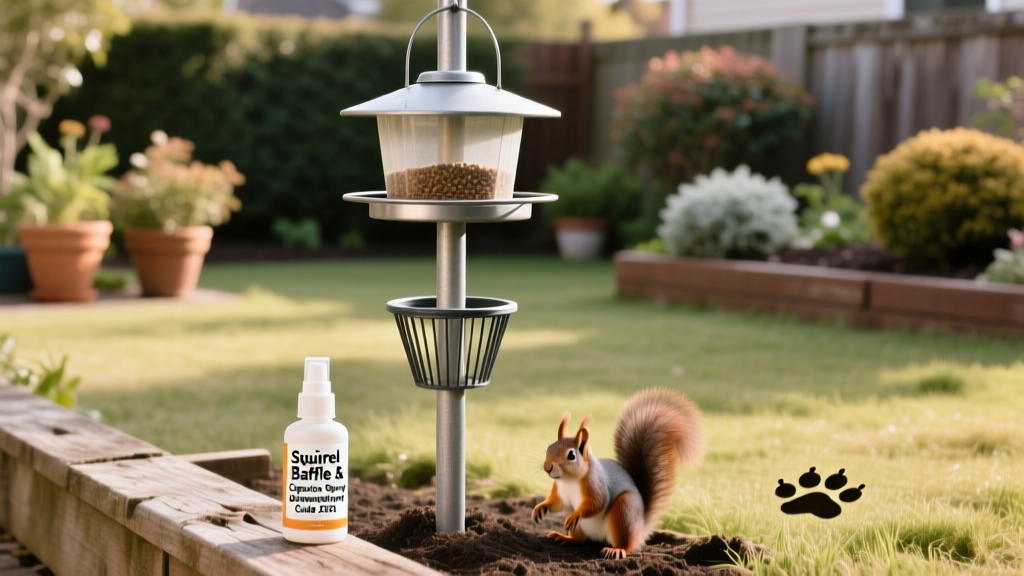
Best Squirrel Deterrents 2026: Baffles & Capsaicin Spray Guide
James MillerPublished
The Urban Squirrel Challenge in 2026
As urban and suburban green spaces continue to mature, wildlife adaptation has become a primary concern for homeowners and garden enthusiasts. In 2026, tree squirrel populations—particularly the Eastern Gray Squirrel and the Fox Squirrel—have shown remarkable problem-solving abilities when it comes to raiding bird feeders, digging up freshly planted bulbs, and stripping bark from young ornamental trees. Effective wildlife and yard animal management now requires a strategic, multi-layered approach rather than relying on a single deterrent method.
According to the University of Minnesota Extension, squirrels can jump up to 8 feet horizontally and 4 feet vertically from a standing position. This athletic prowess means that simply hanging a feeder out of reach is no longer sufficient. To truly protect your lawn and garden investments this year, integrating physical barriers like pole baffles with biological repellents like capsaicin spray offers the most reliable, humane, and long-term solution.
Understanding Squirrel Behavior and Yard Damage
Before deploying deterrents, it is crucial to understand why squirrels target specific areas of your yard. Squirrels are primarily driven by the need to forage for high-energy foods and establish secure nesting territories. Bird feeders provide a concentrated, easily accessible source of fats and carbohydrates, especially during the transitional seasons of early spring and late autumn. Furthermore, the act of digging in soft, freshly tilled garden beds is often linked to caching behavior, where squirrels bury nuts and seeds for winter retrieval.
When squirrels dig, they uproot young seedlings, expose plant roots to the air, and create unsightly divots in manicured lawns. The Internet Center for Wildlife Damage Management notes that squirrel damage to gardens and landscaping can result in significant financial losses for homeowners who invest in premium ornamental plants and seasonal flowers. By altering the environment to make it less inviting, you can redirect their foraging efforts to natural woodland areas.
The First Line of Defense: Pole Baffles
A baffle is a physical barrier designed to prevent climbing animals from accessing elevated food sources. In 2026, the market offers highly durable, weather-resistant baffles made from UV-stabilized polycarbonate and powder-coated galvanized steel. When installed correctly, a baffle creates an impassable overhang or slippery surface that frustrates the squirrel and forces it to abandon the climb.
Choosing the Right Baffle
- Torpedo Baffles: These are cylindrical, tube-like barriers that slide directly onto straight metal poles. They are ideal for shepherd hooks and standard feeder poles. The smooth, steep exterior prevents squirrels from gaining a grip.
- Dome Baffles: Shaped like a large saucer or umbrella, dome baffles are mounted above or below hanging feeders. They are particularly effective against squirrels that attempt to drop down from overhanging tree branches onto the feeder.
- Wrap-Around Baffles: Made from flexible, textured plastic or metal, these are designed to wrap around existing wooden posts or thick tree trunks where traditional pole baffles cannot be mounted.
Proper Installation Techniques
The most common reason baffles fail is improper installation. To ensure your baffle works effectively in 2026, follow these strict measurement guidelines:
- Height: The bottom edge of the baffle must be installed at least 5 feet (60 inches) above the ground. Squirrels can easily reach and pull themselves over baffles placed any lower.
- Clearance: The feeder and pole must be positioned at least 8 to 10 feet away from any tree trunk, fence, deck railing, or roofline. If a squirrel can leap horizontally onto the feeder, the baffle becomes irrelevant.
- Pole Stability: Ensure the pole is driven deeply into the ground or secured in a heavy base. If the pole wobbles, squirrels can use the momentum to swing around the baffle.
The Chemical Deterrent: Capsaicin Spray
While baffles protect elevated feeders, they do not stop squirrels from digging in your garden beds or chewing on the bark of young trees. This is where capsaicin spray becomes an invaluable tool in your wildlife management arsenal. Capsaicin is the active chemical compound found in hot peppers that produces a burning sensation in mammals.
How Capsaicin Works on Squirrels
The brilliance of capsaicin as a yard deterrent lies in mammalian biology. Mammals, including squirrels, possess TRPV1 receptors in their mouths and nasal passages that detect the heat of capsaicin, triggering an intense, uncomfortable burning sensation. Birds, however, lack these specific receptors. This means you can safely apply capsaicin-based products to birdseed and garden areas without harming your desired avian visitors. When a squirrel bites into a treated bulb or sniffs a sprayed fence post, the immediate sensory irritation conditions them to avoid the area in the future.
Top Application Strategies for 2026
Modern capsaicin sprays formulated for outdoor use now include natural binding agents, such as vegetable oils and botanical waxes, which help the active ingredients adhere to plant surfaces and withstand light rain. When applying capsaicin spray, keep the following best practices in mind:
- Timing: Apply the spray on a dry, calm day when temperatures are above 50°F (10°C). Avoid spraying on windy days to prevent drift onto your skin or into your eyes.
- Target Areas: Focus on the perimeter of garden beds, the base of young tree trunks, and the exterior of wooden fence posts where squirrels are known to run.
- Reapplication: Even with advanced 2026 binding formulas, heavy rainfall and prolonged UV exposure will degrade the spray. Plan to reapply every 14 to 21 days, or immediately after a significant rainstorm.
- Protective Gear: Always wear nitrile gloves and safety goggles when handling concentrated capsaicin sprays. The Environmental Protection Agency (EPA) advises treating all botanical repellents with the same safety precautions as traditional pesticides to avoid accidental mucous membrane irritation.
Combining Baffles and Capsaicin for Ultimate Protection
Integrated Pest Management (IPM) principles dictate that combining physical and chemical deterrents yields the highest success rates. By installing a torpedo baffle on your bird feeder pole, you eliminate the primary vertical climbing route. To prevent the squirrel from simply sitting at the base of the pole and digging up your lawn in frustration, apply a generous band of capsaicin spray to the lower 3 feet of the pole and the surrounding soil perimeter.
This dual-action strategy addresses both the reward (the birdseed) and the environment (the digging zone). Over a period of two to three weeks, the local squirrel population will learn that your yard offers no accessible food and is highly uncomfortable to investigate, prompting them to relocate their foraging routes to less fortified areas.
2026 Deterrent Comparison Chart
To help you budget and plan your wildlife management strategy, review the comparison of the most effective deterrent methods available this year.
| Deterrent Method | Target Area | Effectiveness in 2026 | Average Cost |
|---|---|---|---|
| Torpedo Pole Baffle | Shepherd hooks, straight metal poles | High (if installed above 5ft) | $25 - $40 |
| Polycarbonate Dome Baffle | Hanging feeders, thick wooden posts | Very High | $35 - $65 |
| Liquid Capsaicin Spray | Garden beds, fence lines, tree bark | Moderate to High (requires reapplication) | $15 - $30 |
| Capsaicin-Treated Birdseed | Tube and hopper bird feeders | Very High (zero prep required) | $20 - $45 |
Safety and Environmental Considerations
When managing wildlife, it is vital to prioritize humane and ecologically sound practices. Capsaicin sprays are biodegradable and do not leave toxic residues in the soil, making them safe for use around earthworms, beneficial nematodes, and native pollinators. However, avoid spraying capsaicin directly onto the blossoms of plants that are currently being pollinated by bees, as the oily residue can interfere with their foraging behavior.
Similarly, when selecting a baffle, opt for models with smooth, rounded edges. Cheap, poorly manufactured plastic baffles can sometimes crack and create sharp edges that might injure a persistent squirrel or a curious domestic cat. Investing in high-quality, UV-treated polycarbonate ensures the baffle remains intact and safe for all yard visitors throughout the harsh summer sun and freezing winter temperatures.
Conclusion
Reclaiming your lawn and garden from persistent squirrels requires patience, strategic planning, and the right tools. By understanding the incredible agility and foraging drive of these rodents, you can outsmart them using the proven combination of properly installed pole baffles and targeted capsaicin sprays. As you implement these integrated wildlife management techniques in 2026, you will not only protect your bird feeders and delicate garden beds but also foster a more balanced, harmonious outdoor environment where both nature and your landscaping can thrive.