Pest Control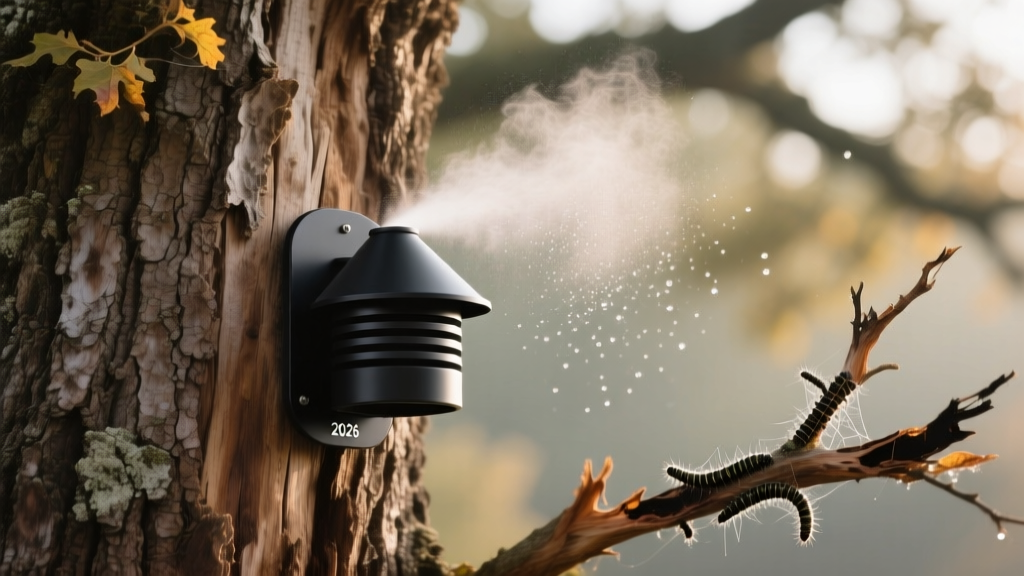
Squirrel Baffles & Capsaicin Spray for Web Worm Tree Care 2026
David ParkPublished
The Dual Threat: Fall Web Worms and Squirrel Damage in 2026
As we navigate the 2026 growing season, integrated pest management (IPM) professionals and home gardeners are increasingly battling compounded tree stressors. The fall webworm (Hyphantria cunea) is notorious for creating unsightly, silken nests in the canopies of deciduous trees, leading to severe defoliation. However, the secondary damage caused by opportunistic wildlife often goes unnoticed until it is too late. Squirrels, specifically Eastern Gray and Fox squirrels, are highly attracted to trees already weakened by web worm infestations. When you are actively treating a tree for web worms, failing to deter squirrels can completely undermine your IPM efforts, leading to girdled branches, stripped bark, and ultimately, tree death.
Protecting your trees requires a dual-pronged approach. You must treat the caterpillar infestation while simultaneously securing the trunk and lower scaffolding branches from mammalian pests. In this guide, we will explore how to effectively utilize trunk baffles and capsaicin-based sprays to deter squirrels, ensuring your web worm treatments succeed and your trees recover fully.
Why Squirrels Target Web Worm-Stressed Trees
When fall webworms defoliate a tree, the tree's photosynthetic capacity is drastically reduced. To compensate and push out new growth, the tree draws heavily on its stored carbohydrates and moisture reserves. This physiological stress alters the chemical composition of the tree's cambium layer, making it sweeter and more nutrient-dense. According to research on urban forest stressors, squirrels can detect these chemical changes and will actively strip the bark from stressed branches to access the nutrient-rich phloem underneath.
This bark stripping, or 'girdling,' severs the vascular pathways of the tree. If a branch is already weakened by web worm defoliation, the added trauma of squirrel damage often invites secondary wood-boring insects and fungal pathogens. Therefore, keeping squirrels out of the canopy is just as critical as applying Bacillus thuringiensis (Bt) or Spinosad to the web worm nests. For a comprehensive look at web worm life cycles and treatment windows, the Penn State Extension provides excellent foundational IPM guidelines that pair perfectly with physical wildlife exclusion methods.
Step 1: Installing Trunk Baffles for Canopy Denial
The most effective, non-lethal way to prevent squirrels from climbing into a web worm-infested canopy is the installation of a physical trunk baffle. Squirrels are incredible climbers and jumpers, so precise placement and sizing are non-negotiable.
Selecting the Right Baffle
For the 2026 season, the Predator Guard Heavy-Duty Stovepipe Baffle and the Woodlink Audubon Wrap-Around Squirrel Baffle remain the industry standards. These models feature smooth, galvanized steel or UV-treated polycarbonate surfaces that offer zero grip for squirrel claws. Avoid cheap plastic cone baffles, as determined squirrels have been documented chewing through thin plastics to reach stressed tree canopies.
Installation Measurements and Rules
- Height: Install the baffle so the bottom edge is at least 5 feet (60 inches) above the ground. Squirrels can jump vertically up to 4 feet from a standing position.
- Clearance: Ensure there is a minimum 10-foot clearance between the tree canopy and any nearby structures, fences, or other trees. Squirrels can jump horizontally up to 9 feet.
- Diameter Fit: Measure the trunk circumference at the 5-foot mark. Use a wrap-around baffle that overlaps securely, fastening it with heavy-duty zip ties or stainless steel hose clamps. Do not nail the baffle directly into the tree, as this creates open wounds that attract the exact boring insects you are trying to avoid.
Step 2: Capsaicin Spray Application for Bark Protection
While baffles stop squirrels from climbing the main trunk, they do not stop squirrels from leaping onto lower, sprawling branches from nearby fences or rooflines. This is where capsaicin (the active chemical in hot peppers) becomes a vital tool in your 2026 IPM arsenal.
How Capsaicin Works on Mammals
Capsaicin triggers the TRPV1 pain receptors in mammals, causing a severe burning sensation in the mouth and paws, but it is completely harmless to birds and most beneficial insects. When a squirrel attempts to chew on the bark of a lower branch, the capsaicin residue creates an immediate negative reinforcement loop. According to the Internet Center for Wildlife Damage Management, taste repellents like capsaicin are highly effective when applied before severe browsing habits are established.
Choosing and Applying a 2026 Capsaicin Repellent
Look for agricultural-grade capsaicin repellents such as Miller Hot Sauce Animal Repellent or Bonide Go Away! Deer & Rabbit Repellent (which utilizes capsaicin and garlic oils). When applying these sprays to a tree battling web worms, follow these critical steps:
- Target the Scaffolding: Spray the lower scaffolding branches, the trunk just above the baffle, and any accessible branch crotches where squirrels might land after a horizontal jump.
- Avoid the Canopy Nests: Do not spray capsaicin directly onto the web worm nests or the upper canopy. You want to avoid disrupting the beneficial parasitic wasps (Trichogramma species) and predatory birds that are actively helping you control the caterpillar population.
- Reapplication: Capsaicin sprays degrade under UV light and wash off in heavy rain. During the peak late-summer web worm season, plan to reapply the spray every 14 to 21 days, or immediately after a significant rainfall event.
2026 Squirrel Deterrent Comparison Chart
To help you budget and plan your tree defense strategy, here is a comparison of the primary deterrent methods used in conjunction with web worm treatments.
| Deterrent Method | Top 2026 Product | Estimated Cost | Longevity | IPM Compatibility |
|---|---|---|---|---|
| Stovepipe Baffle | Predator Guard 18-inch Steel | $35 - $45 | 5+ Years | Excellent (Zero chemical interference) |
| Wrap-Around Baffle | Woodlink Audubon Polycarbonate | $20 - $30 | 3-4 Years | Excellent (Zero chemical interference) |
| Capsaicin Spray | Miller Hot Sauce Ag Repellent | $25 - $40 (per qt) | 14-21 Days | High (Safe for Bt/Spinosad if localized) |
| Sticky Trunk Bands | Tanglefoot Insect Barrier | $15 - $20 | 1-2 Months | Poor (Traps beneficial predatory insects) |
Note: Sticky trunk bands are generally discouraged in modern IPM protocols for web worms because they indiscriminately trap the beneficial ground beetles and parasitic wasps that prey on web worm pupae.
Integrating Deterrents with Web Worm IPM Treatments
Timing is everything when combining wildlife deterrents with caterpillar treatments. If you are using a biological insecticide like Bacillus thuringiensis var. kurstaki (Btk) to target the web worms, it must be ingested by the early-instar caterpillars. Btk is highly sensitive to UV degradation and requires precise application directly into or just above the silken nests.
Here is the optimal 2026 application timeline:
- Day 1: Prune out and destroy small, localized web worm nests if they are within safe reaching distance.
- Day 2: Apply Btk or Spinosad spray to the canopy in the late evening to minimize UV breakdown and protect foraging bees.
- Day 3: Install the trunk baffle at the 5-foot mark to lock out climbing squirrels.
- Day 4: Apply capsaicin spray strictly to the lower trunk and primary scaffolding branches. This ensures the capsaicin does not wash over your Btk canopy treatment and negatively interact with the microbial agents.
Long-Term Tree Recovery and Monitoring
Once the web worms are eradicated and the squirrels are deterred, the tree must focus on rebuilding its carbohydrate reserves before winter. Deep, infrequent watering at the drip line is crucial. Apply a 2-inch layer of organic mulch around the base of the tree, keeping it strictly away from the trunk flare to prevent collar rot and rodent habitation.
Monitor the bark on the lower branches throughout the autumn. If you see fresh, light-colored wood exposed on the branches, it indicates that a squirrel has bypassed your defenses, likely by jumping from an overgrown shrub or fence line. Trim nearby jump points and reapply your capsaicin spray immediately. By combining rigorous web worm treatments with physical and chemical squirrel deterrents, you ensure your landscape trees remain robust, healthy, and structurally sound for decades to come.