
Landscaping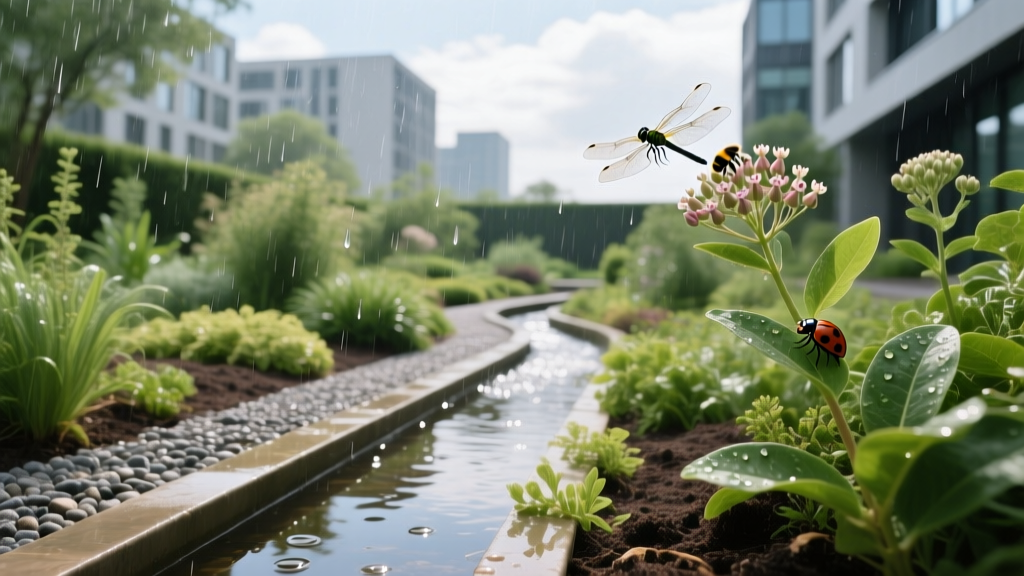
Rain Garden Installation 2026: Bio-Control & Stormwater
James MillerPublished
The Dual Purpose of Modern Rain Gardens
As extreme weather events and shifting precipitation patterns continue to challenge residential landscapes in 2026, effective stormwater management has never been more critical. However, modern landscaping goes far beyond simply diverting water away from your foundation. Today’s most effective landscape designs integrate stormwater solutions with ecological pest management. By installing a rain garden specifically engineered to attract beneficial insects, you create a powerful bio-control hub that naturally regulates pest populations across your entire property.
A rain garden is a shallow, planted depression designed to capture and filter runoff from impervious surfaces like roofs, driveways, and patios. According to the EPA's Green Infrastructure guidelines, these systems reduce localized flooding, filter out pollutants, and recharge groundwater. But when viewed through the lens of conservation biocontrol, a rain garden becomes a sanctuary for predatory and parasitic insects—such as lady beetles, lacewings, parasitic wasps, and ground beetles—that require consistent moisture, diverse floral resources, and undisturbed overwintering habitats to thrive.
The Science of Rain Gardens and Bio-Control
Conservation biocontrol is the practice of modifying the environment to protect and enhance natural enemy populations. Most beneficial predatory insects have complex life cycles that require two distinct food sources: protein-rich prey (like aphids or caterpillars) for their larvae, and carbohydrate-rich nectar and pollen for the adults. Furthermore, these insects are highly susceptible to desiccation (drying out). The microclimate of a rain garden—which retains moisture longer than the surrounding upland soil—provides a crucial hydration station and a humid microhabitat that supports robust predator populations even during late-summer droughts.
By strategically selecting native plants that bloom in succession and engineering the soil to support both drainage and ground-dwelling predators, your rain garden becomes a permanent biological defense system. As noted by the Xerces Society for Invertebrate Conservation, providing continuous bloom and undisturbed habitat edges can reduce the need for chemical pesticides by up to 70% in adjacent garden beds.
Step-by-Step Rain Garden Installation (2026 Standards)
1. Site Selection and Stormwater Routing
Locate your rain garden at least 10 feet away from your home’s foundation to prevent basement moisture issues, and avoid areas over septic drain fields. Observe your yard during a heavy rainstorm to identify natural flow paths. In 2026, many homeowners use flexible corrugated downspout diverters or shallow French drains to route roof runoff directly into the garden basin. Ensure the chosen site has a natural slope or can be graded to receive water easily.
2. Excavation and Basin Shaping
For a standard residential rain garden handling runoff from a 1,000-square-foot roof area, plan for a basin of approximately 150 to 200 square feet. Excavate the area to a depth of 6 to 8 inches, creating a flat bottom with gently sloping sides (a 3:1 slope ratio is ideal to prevent erosion and allow easy access for ground beetles). Build a small berm on the downhill side using the excavated soil to create a bowl effect that can hold 4 to 6 inches of standing water temporarily.
3. Engineering the Bio-Active Soil Mix
Native clay soils will not drain fast enough for a rain garden, leading to stagnant water that breeds mosquitoes rather than beneficial insects. The 2026 standard for rain garden soil engineering is the 5:3:2 ratio:
- 50% Coarse Builder’s Sand: Ensures rapid infiltration and provides nesting habitats for ground-dwelling solitary bees and predatory wasps.
- 30% High-Quality Topsoil: Provides structure and mineral content.
- 20% Organic Compost: Feeds soil microbes, retains moderate moisture, and supports the complex fungal networks that native plant roots rely on.
Mix this blend thoroughly into the top 12 inches of the existing subsoil to prevent a hardpan layer from forming between the new mix and the native earth.
Top Native Plants for Stormwater & Beneficial Insects
When selecting plants, prioritize native species with complex flower structures that provide accessible nectar for small parasitic wasps and hoverflies. According to Penn State Extension's Rain Garden guidelines, deep-rooted natives are essential for breaking up compacted soil and maximizing water infiltration. Below is a comparison of top-performing plants for bio-control rain gardens.
| Native Plant Species | Stormwater Tolerance | Beneficial Insects Attracted | Target Pests Controlled |
|---|---|---|---|
| Swamp Milkweed (Asclepias incarnata) | High (Tolerates temporary flooding and dry spells) | Monarch butterflies, predatory hoverflies, tachinid flies | Aphids, caterpillars, Japanese beetles |
| Blue Flag Iris (Iris versicolor) | Very High (Thrives in the deepest, wettest center) | Ground beetles, predatory nematodes (via root exudates) | Soil-dwelling grubs, slug eggs |
| New England Aster (Symphyotrichum novae-angliae) | Moderate (Best for the upper slopes/berms) | Lady beetles, lacewings, minute pirate bugs | Spider mites, thrips, soft-bodied insects |
| Joe-Pye Weed (Eutrochium purpureum) | High (Loves consistent moisture) | Parasitic wasps, predatory stink bugs, soldier beetles | Hornworms, cabbage loopers, beetle larvae |
| Cardinal Flower (Lobelia cardinalis) | High (Requires moist roots) | Hummingbirds (insectivores), beneficial predatory flies | Flying pests, mosquito larvae (via predators) |
Pro Tip for 2026: Purchase plants as deep-rooted plugs rather than potted nursery stock. Nursery stock is often treated with systemic neonicotinoids, which will devastate the very beneficial insect populations you are trying to attract. Always verify that your nursery uses bio-safe growing practices.
Integrating Bio-Control Habitat Features
Plants alone are not enough; beneficial insects require physical infrastructure to overwinter and hunt. Integrate these specific features into your rain garden design:
- Beetle Banks: Create a raised, narrow berm in the center or along the edge of the rain garden planted densely with native bunchgrasses like Switchgrass (Panicum virgatum) or Little Bluestem (Schizachyrium scoparium). These dense tussocks provide dry, insulated overwintering refuges for ground beetles and spiders, which are voracious predators of slugs and cutworms.
- Bare Soil Patches: Leave 10% to 15% of the sunniest, well-draining slopes of your rain garden completely bare (no mulch). This provides essential nesting sites for ground-nesting solitary bees and predatory wasps, such as the great black wasp, which hunts grasshoppers and katydids.
- Brush and Stone Piles: Tuck a small pile of flat rocks or untreated twigs under the overhanging foliage of your marginal plants. This creates a humid, shaded hunting ground for rove beetles and centipedes, which patrol the soil surface at night for pest larvae.
Maintenance for a Thriving Bio-Control Ecosystem
The maintenance regimen for a bio-control rain garden differs significantly from a traditional ornamental garden. The goal is to preserve habitat while maintaining stormwater capacity.
Delayed Spring Cleanup
Never cut back your rain garden plants in the fall. The hollow stems of Swamp Milkweed and Joe-Pye Weed serve as critical overwintering condos for cavity-nesting bees and lady beetles. Wait until late spring—when daytime temperatures consistently exceed 50°F (10°C) for at least a week—before cutting back dead foliage. When you do cut, leave 12 to 15 inches of stem stubble standing to continue serving as habitat, and chop the removed material into loose mulch rather than bagging it.
Weed Management Without Herbicides
Herbicides, even "organic" options like horticultural vinegars, are non-selective and will harm the soil biology and overwintering insects in your rain garden basin. Hand-pull invasive weeds early in the season. To suppress weeds without harming bio-control agents, use a thin layer (no more than 1 inch) of coarse, undyed wood chips only on the outer berms. Avoid mulching the center of the basin or the beetle banks, as this blocks ground-nesting insects and slows water infiltration.
Sediment and Debris Removal
After major storms, inspect the inflow point of your rain garden. If silt or lawn clippings have accumulated, gently scrape them away to prevent the soil pores from clogging. Do not dig deeply into the soil matrix, as this will disturb the larvae of predatory tiger beetles and ground-nesting wasps.
Conclusion
Installing a rain garden in 2026 is a profound investment in both your property's resilience and your local ecosystem. By shifting your perspective from simple water management to active conservation biocontrol, you transform a potential drainage problem into a thriving, self-regulating biological engine. With the right soil engineering, carefully selected native flora, and habitat-conscious maintenance, your rain garden will capture millions of gallons of stormwater over its lifetime while silently deploying an army of beneficial insects to protect your landscape naturally.

