
Landscaping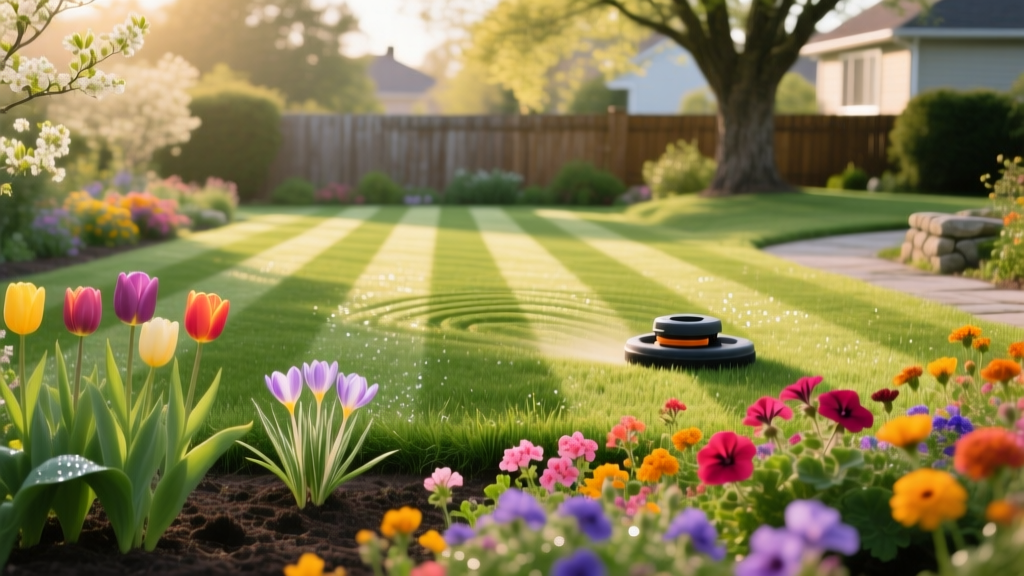
Striped Lawn Designs for Seasonal Flower Bed Rotation 2026
Lisa ThompsonPublished
The Intersection of Turf Art and Horticulture in 2026
The modern landscape is no longer a static canvas; it is a dynamic, living environment that evolves with the seasons. In 2026, the concept of 'kinetic landscaping' has taken center stage among top-tier landscape architects and avid home gardeners alike. This design philosophy emphasizes the seamless integration of turfgrass patterns—specifically lawn striping—with the seasonal rotation of softscape elements like flower beds. While most homeowners view lawn mowing and garden planting as two entirely separate chores, the most stunning curb appeal is achieved when the geometric patterns of your striped lawn act as intentional leading lines that frame and highlight your seasonal flower bed rotations.
Transitioning a garden bed from the structured, upright elegance of spring bulbs to the sprawling, vibrant heat-tolerance of summer annuals requires more than just swapping out plants. It requires a shift in the visual geometry of your entire yard. By adjusting your lawn striping patterns to complement the changing heights, textures, and color palettes of your flower beds, you create a cohesive outdoor living space that feels professionally designed. This comprehensive guide will walk you through the exact techniques, equipment, and horticultural strategies needed to synchronize your lawn's aesthetic patterns with your seasonal bed rotations in 2026.
The Psychology of Landscape Geometry: Turf as a Visual Anchor
Before digging into the soil, it is crucial to understand how the human eye moves across a landscape. According to fundamental design principles, the eye naturally follows lines and contrasting textures. When you stripe your lawn, you are essentially painting with light and shadow. The dark stripes are created when grass blades are bent away from you, reflecting less light, while the light stripes occur when blades are bent toward you, reflecting the sun's rays. As detailed in Pennington's comprehensive guide to lawn striping, this contrast creates a powerful sense of movement and direction.
When your flower beds undergo their seasonal rotation, the colors and textures of the beds change drastically. If your lawn pattern remains rigidly static, the transition can feel jarring. However, by treating your striped turf as a visual anchor and adjusting the scale of your stripes to match the 'visual weight' of your seasonal plants, you maintain harmony. In the spring, upright bulbs require tight, structured turf patterns. In the summer, sprawling annuals demand broader, more relaxed turf designs. Mastering this synergy is the hallmark of elite 2026 landscape design.
Spring Phase: Structured Stripes for Upright Bulbs
Spring flower beds are defined by verticality and structure. Classic spring bulbs such as Tulipa gesneriana (garden tulips), Narcissus (daffodils), and Allium giganteum grow on rigid, upright stems. Their visual weight is concentrated at the top, creating a formal, architectural look. To complement this, your lawn striping should mimic this structured elegance.
Designing the Spring Turf Pattern
For the spring season, opt for a tight checkerboard pattern or narrow, linear stripes spaced exactly 8 to 10 inches apart. This tight geometric repetition mirrors the organized, grid-like planting schemes often used for tulips and hyacinths. The narrow stripes draw the eye rapidly across the lawn, terminating at the flower bed where the vibrant reds, yellows, and purples of the spring bulbs provide a striking visual stop.
According to the University of Minnesota Extension, spring bulbs require specific planting depths and spacing to thrive and naturalize properly. When designing your lawn's edge near these beds, ensure your mower wheels do not compact the soil over the bulb zones. Use a narrow 8-inch stripe width near the perimeter to allow for precise maneuvering without the mower deck encroaching on the delicate emerging foliage of early-spring crocuses and snowdrops.
The Transition Window: Edging, Prepping, and Pattern Shifting
The transition period between late May and early June is the most critical phase in kinetic landscaping. As the spring bulbs finish blooming and their foliage begins to yellow and die back, the flower beds can look tired and unkempt. This is the exact moment to redefine the physical and visual boundaries between your turf and your beds.
Physical Bed Preparation
Before introducing summer annuals, you must remove the spent bulb foliage (or carefully braid and hide it if naturalizing). Once the beds are cleared, it is time to re-edge. In 2026, battery-powered landscaping tools have reached unprecedented levels of torque and precision. Using a tool like the 2026 EGO Power+ Carbon Fiber Edger, cut a crisp, 4-inch deep trench along the boundary where the turf meets the mulch. This trench serves two purposes: it prevents summer mulch from spilling onto your meticulously striped grass, and it creates a hard, physical line that makes your lawn stripes look infinitely sharper.
Soil Amendment for Summer Heat
Summer annuals are heavy feeders and require well-draining soil to survive the July and August heat. Incorporate a 2-inch layer of organic compost into the top 6 inches of the flower bed. Be careful not to let this compost overlap onto the turf edge, as it will create a bumpy transition that ruins the smooth roll of your mower's striping kit.
Summer Phase: Broad Waves for Sprawling Annuals
As the calendar flips to summer, the garden's personality shifts from formal and structured to relaxed, vibrant, and sprawling. Summer annuals like Zinnia elegans (particularly the 'Profusion' series), Celosia, and Lantana camara do not grow in rigid, upright lines. They branch out laterally, creating mounds of continuous color that spill slightly over the edges of the garden bed. The Royal Horticultural Society (RHS) notes that modern summer annuals are bred for vigorous lateral growth and intense heat tolerance, meaning they will quickly fill in the visual voids left by spring bulbs.
Adapting the Turf Pattern to Summer Growth
To harmonize with the sprawling, organic shapes of summer annuals, your lawn striping must adapt. Abandon the tight, 8-inch checkerboard of spring. Instead, raise the cutting height of your mower by half an inch (to promote deeper turf roots during summer droughts) and switch to a broad wave pattern or concentric circles with stripe widths of 18 to 24 inches.
Broad, sweeping curves in your lawn striping mimic the natural, mounding habit of summer zinnias and petunias. The wider stripes slow the eye down, encouraging observers to take in the massive, sprawling blocks of warm summer colors—fiery oranges, deep magentas, and bright golds. By matching the relaxed geometry of your turf to the relaxed geometry of your summer plants, you create a landscape that feels intentionally designed for the season, rather than randomly assembled.
2026 Equipment for Precision Striping and Bed Maintenance
Executing these seasonal pattern shifts requires the right equipment. The 2026 lineup of residential mowing and edging gear offers commercial-grade precision for the home landscaper.
- Toro 2026 Recycler Series with SmartStow: Featuring an integrated, heavy-duty rear striping roller, this mower allows you to switch from tight spring checkerboards to broad summer waves simply by adjusting your mowing speed and turning radius. The rear roller ensures the grass blades are fully bent, creating high-contrast stripes that make the adjacent flower beds pop.
- EGO Power+ 2026 Carbon Fiber Edger: Essential for the transition phase. The carbon fiber shaft reduces fatigue while you carve out the 4-inch trench needed to separate your sprawling summer annuals from your broad-wave turf patterns.
- Husqvarna 2026 Battery Blower: After mowing and edging, clearing stray grass clippings and mulch from the transition zone is vital. Clippings left on the edges of the flower bed will smother your summer annuals and ruin the crisp visual line of your lawn stripes.
Seasonal Aesthetic Pairing Chart
Use the following structured guide to plan your lawn and garden bed rotations for the 2026 growing season. This chart aligns your turf patterns with the specific horticultural traits of your seasonal plants.
| Season | Primary Bed Plants | Visual Weight & Habit | Recommended Turf Pattern | Stripe Width |
|---|---|---|---|---|
| Early Spring | Crocus, Snowdrops, Hyacinths | Low, structured, formal | Linear, parallel to bed edge | 8 - 10 inches |
| Late Spring | Tulips, Daffodils, Alliums | Tall, upright, architectural | Tight Checkerboard | 10 - 12 inches |
| Early Summer | Profusion Zinnias, Marigolds | Mounding, lateral spread | Broad Sweeping Waves | 18 - 24 inches |
| Late Summer | Lantana, Celosia, Sunflowers | Sprawling, heavy, vibrant | Concentric Circles / Diagonal | 20 - 24 inches |
Protecting Turf Health During Heavy Rotation Periods
While aesthetics are paramount, the biological health of your turfgrass must never be sacrificed for the sake of a pattern. The transition from spring to summer often coincides with the onset of heat stress and drought conditions for cool-season grasses like Kentucky Bluegrass and Tall Fescue. When you are actively pulling spent bulbs, amending soil, and planting hundreds of summer annuals, foot traffic around the garden bed edges increases dramatically.
Repeatedly stepping on the same strips of grass while planting summer annuals will cause severe soil compaction, which manifests as dead, brown streaks that will ruin your striping patterns. To mitigate this in 2026, utilize lightweight, modular planting kneelers and distribute your weight evenly. Furthermore, when mowing your broad summer waves, alternate your mowing direction every two weeks. Constantly bending the grass in the exact same direction during the high-heat summer months can cause the turf to develop a permanent 'grain,' leading to scalping on the reverse pass and weakening the overall root system.
Conclusion: Mastering the Kinetic Landscape
The transition from spring bulbs to summer annuals is one of the most rewarding cycles in the gardening calendar. By viewing your lawn not merely as a green carpet, but as a dynamic, striped canvas that interacts with your flower beds, you elevate your property's curb appeal to a professional tier. In 2026, the most beautiful landscapes are those that embrace change—adjusting their lines, patterns, and colors to reflect the shifting moods of the seasons. Whether you are framing the rigid elegance of spring tulips with a tight checkerboard or echoing the sprawling joy of summer zinnias with broad, sweeping waves, the synergy between turf and garden bed is the ultimate expression of landscape artistry.

