Gardening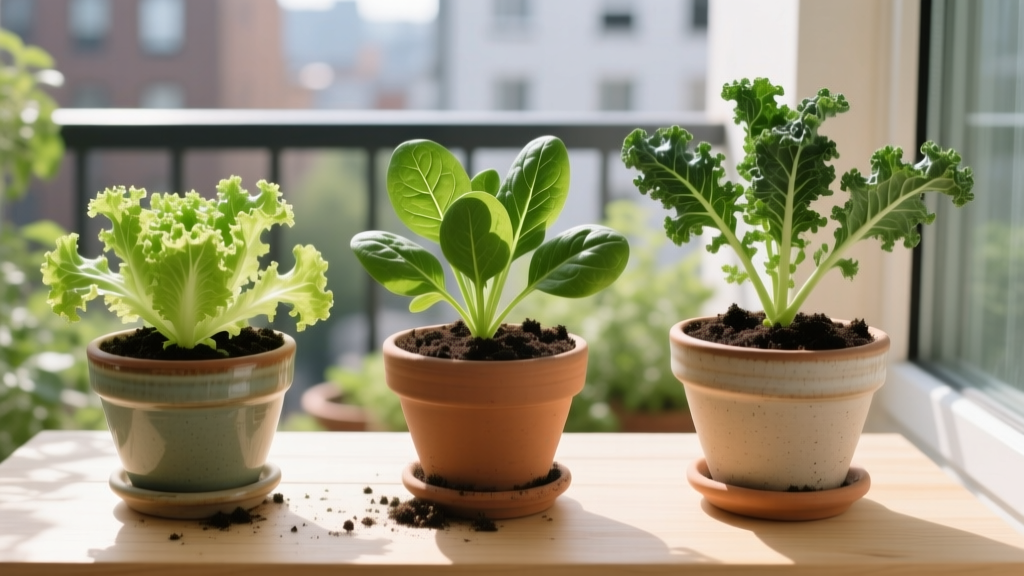
Succession Planting Leafy Greens In Pots: 2026 Guide
Robert HayesPublished
Introduction to Container Succession Planting in 2026
Container gardening has evolved significantly over the last few years, transforming patios, balconies, and small urban spaces into highly productive edible landscapes. As we move through the 2026 growing season, maximizing yield in limited square footage is more important than ever. One of the most effective strategies for continuous harvests is succession planting—the practice of sowing seeds at staggered intervals rather than all at once. When applied to container gardening, this technique ensures that you never face a glut of produce followed by weeks of empty pots. Instead, you enjoy a steady, manageable supply of fresh, nutrient-dense leafy greens right outside your door.
While succession planting is traditionally associated with large raised beds or in-ground rows, it is uniquely suited for container gardening. Pots allow you to control the soil environment, move plants to optimize sunlight, and easily replace spent crops with fresh seedlings. In this comprehensive 2026 guide, we will focus specifically on the 'holy trinity' of cool-season container greens: lettuce, spinach, and kale. By mastering the timing, soil requirements, and harvesting techniques for these three crops, you can turn a few simple containers into a year-round salad factory.
Why Lettuce, Spinach, and Kale?
Lettuce (Lactuca sativa), spinach (Spinacia oleracea), and kale (Brassica oleracea) are the undisputed champions of the container garden for several reasons. First, they possess relatively shallow root systems, meaning they do not require the deep, heavy pots that crops like tomatoes or deep-rooted carrots demand. Second, they are incredibly cold-hardy, allowing gardeners in many climate zones to grow them in the early spring, late fall, and even through mild winters with minimal protection.
Furthermore, these three greens offer diverse culinary uses and nutritional profiles. Lettuce provides the crisp, hydrating base for daily salads; spinach offers tender, iron-rich leaves that are perfect for both raw salads and quick wilting in hot dishes; and kale delivers robust, hearty leaves packed with vitamins A, C, and K, which actually sweeten after a light frost. By staggering the planting of these three specific crops in your containers, you ensure a diverse harvest that covers all your leafy green needs throughout the growing season.
Choosing the Right Containers and Soil for 2026
The foundation of any successful container garden is the vessel and the growing medium. In 2026, the market offers excellent options tailored for moisture retention and root aeration, both of which are critical for leafy greens.
Container Selection
Leafy greens do not need massive pots, but they do need adequate surface area and depth. For lettuce, a depth of 6 to 8 inches is sufficient. Spinach prefers slightly deeper soil, around 8 to 10 inches, to support its taproot. Kale, being the largest and most vigorous of the three, requires a minimum depth of 12 inches and a wider footprint to accommodate its broad canopy.
- Self-Watering Planters: Systems like the EarthBox Original (retailing around $45 in 2026) or the Glowpear Urban Garden Planter are exceptional for succession planting. They maintain consistent moisture levels, preventing the stress that causes spinach and lettuce to bolt prematurely.
- Fabric Pots: 5-gallon or 7-gallon Smart Pots are highly breathable, preventing root circling and overwatering. They are lightweight and easy to shuffle around your patio as the sun's angle changes through the seasons.
- Window Boxes and Troughs: Long, narrow troughs are perfect for broadcasting lettuce and spinach seeds in a 'cut-and-come-again' style.
The Ideal Potting Mix
Never use topsoil or garden dirt in containers; it compacts quickly and suffocates shallow roots. For 2026, we recommend a peat-free, sustainable potting mix. Blend 60% premium coconut coir (for moisture retention), 20% coarse perlite (for drainage and aeration), and 20% high-quality worm castings (for slow-release organic nutrients). This mixture provides the perfect balance of water retention and drainage that leafy greens crave.
The Succession Planting Schedule
The core of succession planting is timing. According to the University of Minnesota Extension, staggering your sowing dates prevents crop gluts and extends your harvest window. Below is a structured guide to managing your container succession schedule.
| Crop | 2026 Variety Recommendation | Days to Maturity | Sowing Interval | Min Pot Depth |
|---|---|---|---|---|
| Lettuce (Leaf) | 'Salad Bowl' or 'Black Seeded Simpson' | 30-45 days | Every 14 days | 6 inches |
| Spinach | 'Bloomsdale' or 'Space' (Bolt-resistant) | 40-50 days | Every 21 days | 8 inches |
| Kale | 'Dwarf Blue Curled' or 'Red Russian' | 50-65 days | Every 30 days | 12 inches |
How to execute the schedule: Start your first round of seeds indoors or in a cold frame 4 weeks before your last spring frost. Once those seedlings are transplanted into their outdoor containers, wait the specified interval (e.g., 14 days for lettuce) and sow the next batch of seeds directly into a new pot or a different section of a large trough. Continue this cycle until the heat of summer approaches, then pause and resume in late summer for a massive fall harvest.
Step-by-Step Sowing and Thinning Guide
Proper seed depth and spacing are critical in containers where resources are confined. The National Gardening Association notes that lettuce seeds actually require some light to germinate, meaning they should barely be covered.
- Lettuce: Sprinkle seeds on the surface of the moist soil and gently press them in. Cover with a mere 1/8 inch of fine vermiculite or sifted compost. Keep the surface misted daily until germination occurs in 5-10 days.
- Spinach: Sow seeds 1/2 inch deep. Spinach seeds are larger and have a harder coat. Soaking them in water for 12 hours before planting can speed up germination.
- Kale: Sow seeds 1/4 to 1/2 inch deep. Kale is incredibly vigorous and will germinate quickly even in cooler container soil.
Thinning is non-negotiable. Overcrowded containers lead to stunted growth, poor air circulation, and fungal diseases. Once seedlings have two true leaves, thin lettuce to 4 inches apart, spinach to 6 inches apart, and kale to at least 10-12 inches apart. Snip the unwanted seedlings at the soil line with scissors rather than pulling them, which protects the delicate roots of the remaining plants.
Fertilizing and Watering in Pots
Container plants rely entirely on you for nutrition, as frequent watering leaches nutrients out of the potting mix. Leafy greens are heavy nitrogen feeders, as nitrogen is the primary driver of vegetative leaf growth.
For the 2026 season, utilize an organic liquid fertilizer such as Neptune's Harvest Fish & Seaweed Blend or FoxFarm Grow Big. Apply a half-strength dose every 10 to 14 days. Liquid fertilizers are immediately available to the shallow root systems of greens, providing a quick boost without the risk of root burn associated with heavy synthetic granular feeds.
Watering should be done consistently. Leafy greens are composed of over 90% water; if they experience drought stress, the leaves become tough, bitter, and prone to bolting (going to seed). Self-watering containers are highly recommended here, but if using standard pots, check the moisture level daily by inserting your finger an inch into the soil. Water deeply at the base of the plants, avoiding wetting the foliage to prevent powdery mildew.
Overcoming Temperature Fluctuations and Pests
Containers heat up and cool down much faster than the ground. In the heat of summer, dark plastic pots can cook spinach and lettuce roots, triggering immediate bolting. To combat this, use light-colored pots, wrap dark pots in reflective bubble insulation, or move your containers to a location that receives afternoon shade. Utilizing a 40% shade cloth over your pots during heatwaves can extend your spring spinach harvest by several weeks.
Pests in container gardens are generally fewer than in ground gardens, but they still pose a threat. Aphids love the tender new growth of kale and lettuce. Dislodge them with a sharp jet of water or treat with an organic insecticidal soap. Slugs and snails can decimate a young container of greens overnight. Since pots are elevated, slugs usually climb the legs; applying a copper tape barrier around the rim or legs of your containers, or using an iron-phosphate-based bait like Sluggo, provides safe and effective control.
Harvesting Techniques for Continuous Yields
The secret to maximizing your succession-planted containers is the 'cut-and-come-again' harvesting method. Rather than waiting for a full head of lettuce to form and pulling the entire plant, harvest the outer, mature leaves when they are 3 to 4 inches long. Leave the inner crown and the smallest central leaves completely intact. The plant will continue to push out new growth from the center, effectively turning a single planting into a multi-week producer.
For kale, Penn State Extension recommends always harvesting the lowest, oldest leaves first, working your way up the stalk. Never remove the terminal bud at the very top, as this is where all new growth originates. By combining the cut-and-come-again method with a strict 14-to-30-day sowing schedule, your patio containers will yield a relentless, overlapping supply of premium leafy greens from early spring straight through to the first hard freezes of late autumn.
