Gardening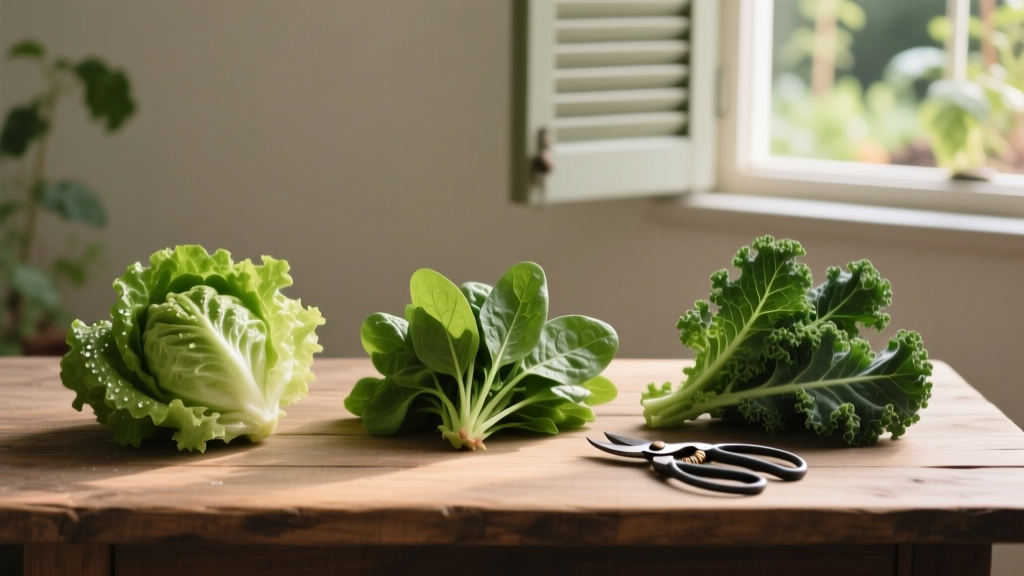
2026 Guide: Pruning & Succession Planting Leafy Greens
David ParkPublished
The Intersection of Pruning and Succession Planting in 2026
When gardeners hear the word "pruning," they typically envision shaping shrubs, training fruit trees, or deadheading perennials. However, in the realm of vegetable gardening, pruning is a highly effective, often overlooked technique used to maximize the yield and longevity of leafy greens. As we navigate the 2026 growing season, climate shifts have led to earlier spring heatwaves and unpredictable late-summer humidity, making strategic plant management more critical than ever. By combining targeted pruning methods with a disciplined succession planting schedule, you can transform a single raised bed into a continuous, high-yield production zone for lettuce, spinach, and kale.
Succession planting is the practice of staggering your sowing dates or replacing finished crops with new ones to ensure a non-stop harvest. Pruning, in the context of leafy greens, involves selective leaf harvesting, crown management, and the removal of bolting stems to trick the plant into sustained vegetative growth. Together, these methods form the backbone of a resilient 2026 kitchen garden. According to the Royal Horticultural Society, maintaining proper airflow and removing senescing foliage through selective pruning drastically reduces the incidence of fungal pathogens like downy mildew, which has been particularly aggressive in recent humid springs.
Pruning Methods for Specific Leafy Greens
Different leafy greens respond to pruning in unique ways. Understanding the specific physiology of lettuce, spinach, and kale will allow you to apply the correct cutting techniques to stimulate regrowth while simultaneously making room for your next succession planting.
Lettuce: Cut-and-Come-Again and Crown Pruning
Lettuce is the quintessential candidate for the "cut-and-come-again" method, which is essentially a form of severe renewal pruning. Instead of harvesting the entire head, you prune the outer leaves or cut the entire canopy just above the basal meristem. For 2026, multi-leaf lettuce varieties like 'Salanova' are highly recommended because their uniform leaf structure makes pruning exceptionally efficient.
- Outer Leaf Pruning: Using sterilized, sharp micro-snips, prune the outermost, mature leaves about one inch from the base. This removes the oldest foliage, redirecting the plant's energy to the tender inner leaves while maintaining the plant's structural footprint.
- Canopy Renewal (Cut-and-Come-Again): When the plant reaches about 6 inches in height, use a clean hori-hori knife to prune the entire top canopy, leaving exactly 1 inch of stem above the soil line. This severe pruning shocks the plant into producing a second, sometimes third, flush of tender leaves.
- Bolting Prune: If a central stalk begins to elongate—a common issue during the sudden 2026 early-summer heat spikes—prune the central stalk entirely. This removes the apical dominance and forces the plant to produce lateral, edible shoots rather than going to seed.
Spinach: Selective Defoliation and Bolt Management
Spinach is notoriously prone to bolting when day lengths exceed 14 hours. Pruning spinach requires a delicate touch to extend the harvest window before the plant inevitably transitions to its reproductive phase. The Old Farmer's Almanac notes that keeping spinach plants continuously harvested prevents the buildup of growth hormones that trigger flowering.
- Bottom-Up Selective Pruning: Always prune the lowest, oldest leaves first. Snap or cut the leaf stem cleanly at the base of the crown. Never prune more than one-third of the plant's total foliage at one time, as spinach requires sufficient solar panels to fuel rapid regrowth.
- Crown Thinning: If your succession planting resulted in overcrowded spinach seedlings, use thinning as a form of early pruning. Remove weaker plants entirely to ensure the remaining spinach has a 4-inch radius for optimal airflow and root expansion.
- Flower Stalk Pruning: The moment you feel a hard, central stalk forming, prune it back to the lowest set of healthy leaves. While this won't stop bolting indefinitely, it will delay the bitterness of the remaining leaves by a week or two, giving you time to harvest your final crop and prepare the soil for a warm-season succession planting like bush beans.
Kale: Structural Pruning and Topping
Kale is a biennial grown as an annual, and its robust, woody stems respond beautifully to aggressive pruning. In 2026, varieties like 'Winterbor' and 'Red Russian' dominate home gardens due to their disease resistance and rapid lateral branching after being pruned.
- The "Palm Tree" Prune: As kale grows upward, the lower leaves become tough, fibrous, and susceptible to soil-borne diseases. Prune these bottom leaves continuously, harvesting them for compost or tough-cooking greens. This leaves a "palm tree" structure, elevating the tender new growth away from splashing soil and slugs.
- Apical Topping: In mid-to-late summer, kale plants can become unwieldy. By pruning the very top terminal bud (the apical meristem), you break the plant's apical dominance. This forces the kale to push out multiple lateral side shoots, effectively doubling your harvestable surface area and creating a bushier, more productive plant.
- Damaged Tissue Removal: Kale is a magnet for cabbage worms and aphids. Regularly inspect the canopy and prune away any heavily damaged, yellowing, or diseased leaves. Dispose of these pruned materials in the municipal compost bin, not your home pile, to prevent pest life cycles from continuing in your garden.
2026 Succession Planting & Pruning Schedule
To maintain a continuous harvest, your pruning schedule must align perfectly with your succession planting timeline. Below is a structured guide tailored for temperate climate zones (Zones 5-7) for the 2026 growing season.
| Crop | Initial Sowing Date | First Pruning / Harvest | Succession Sowing Interval | End of Cycle Action |
|---|---|---|---|---|
| Lettuce (Leaf) | 4 weeks before last frost | 30-40 days (Outer leaf prune) | Every 14 days | Pull roots, amend soil, sow heat-tolerant summer greens |
| Spinach | 6 weeks before last frost | 40-45 days (Bottom-up prune) | Every 21 days | Prune to ground when bolting, plant bush beans |
| Kale | 4 weeks before last frost | 50-60 days (Lower leaf prune) | Every 30 days (until mid-summer) | Top apical meristem in August for fall side-shoots |
By adhering to this 2026 schedule, you ensure that as one planting is being aggressively pruned and nearing the end of its viable lifecycle, a younger succession planting is already maturing in the adjacent row or cold frame.
Soil Preparation and Tool Maintenance for Continuous Cycles
Succession planting and frequent pruning place a massive demand on your soil's nutrient reserves and your garden tools. Every time you prune a leafy green, the plant requires an immediate influx of nitrogen to synthesize new vegetative tissue.
Replenishing the Soil Between Cycles
Before sowing your next succession round, you must replenish the bed. In 2026, organic liquid fertilizers and fast-acting granular amendments are the standard for rapid nutrient turnover. After pulling a finished crop of spinach or lettuce, apply a top-dressing of high-quality compost and work in an organic fertilizer like Espoma Garden-tone (3-4-4) at a rate of 1 pound per 10 square feet. Water the bed deeply to activate the microbial life that will break down the nutrients for your next round of seeds.
Tool Sterilization: A Critical Pruning Step
Pruning creates open wounds on your plants. In the damp, humid conditions typical of recent spring seasons, these wounds are prime entry points for bacterial and fungal pathogens. You must sterilize your pruning shears, micro-snips, and hori-hori knives between every single plant, or at least between different crop varieties.
- Keep a spray bottle filled with 70% isopropyl alcohol or a 10% bleach solution in your garden apron.
- Spray the blades of your pruning tools and wipe them dry with a clean cloth before moving to the next plant.
- Invest in high-carbon steel or titanium-coated pruning snips for 2026; they hold a sharper edge longer, ensuring clean cuts that heal faster and reduce plant stress.
Shading and Climate Management for Pruned Greens
One of the greatest risks after performing a severe canopy prune (like the cut-and-come-again method on lettuce) is exposing the tender, newly emerging basal leaves to direct, scorching sunlight. With 2026 bringing higher average UV indexes and more frequent early-summer heat domes, protecting your pruned plants is non-negotiable.
Immediately after a heavy pruning session, deploy a 40% to 50% aluminet shade cloth over the bed. Aluminet reflects solar radiation rather than just absorbing it, keeping the microclimate around the pruned crowns significantly cooler. Secure the shade cloth with heavy-duty landscape staples and remove it once the new leaves have established a 2-inch canopy. This combination of strategic pruning, immediate climate protection, and rigorous succession planting guarantees a thriving, continuous harvest of leafy greens from early spring straight through to the first hard frost of late autumn.
For more detailed regional planting dates and advanced pruning techniques for brassicas, consult your local university extension office or reference the comprehensive growing guides available at Gardeners' Path. Mastering these methods will elevate your 2026 garden from a seasonal hobby to a highly efficient, year-round food production system.
