Gardening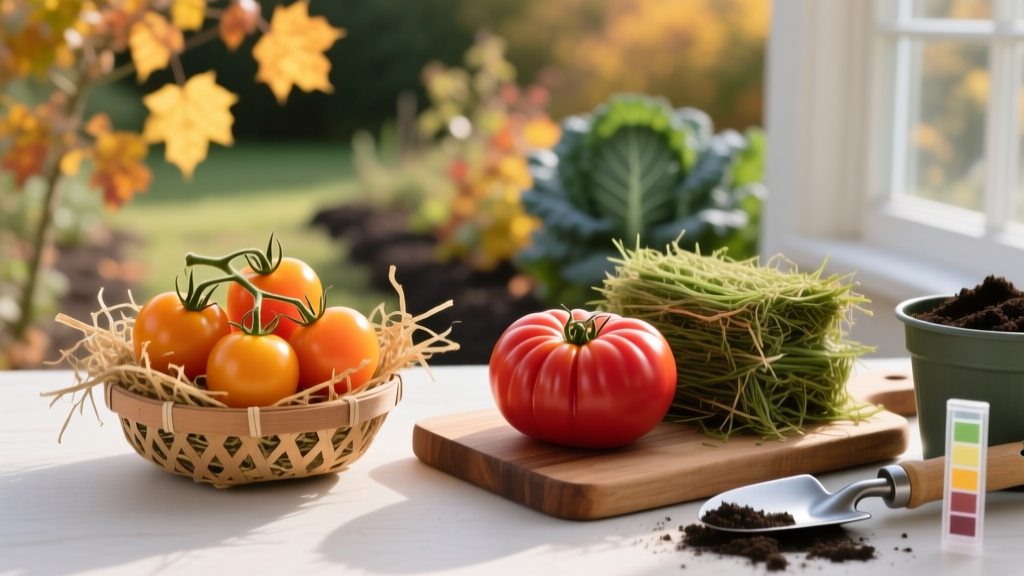
Fall 2026 Tomato Care: Sun Gold vs Better Boy Cleanup
Emily WatsonPublished
The Intersection of Fall Lawn Care and Tomato Garden Teardown
As the crisp air of fall 2026 settles in, homeowners and gardening enthusiasts alike shift their focus to essential autumn yard work. While much of the conversation revolves around lawn aeration, overseeding, and leaf management, the adjacent vegetable garden requires just as much strategic attention. For tomato growers, the transition from the vibrant harvest season to the dormant winter months is a critical period. This is especially true when managing vastly different varieties like the prolific Sun Gold cherry tomato and the heavy-yielding Better Boy beefsteak.
What many gardeners fail to realize is that fall lawn care and tomato bed remediation are deeply interconnected. The byproducts of your autumn lawn maintenance—specifically shredded fall leaves and nitrogen-rich grass clippings from your final mowings—are the exact organic materials required to rebuild the depleted soil in your tomato patch. According to the University of Minnesota Extension, tomatoes are notoriously heavy feeders that strip the soil of vital nutrients and calcium over the summer. By integrating your fall lawn cleanup with your tomato vine teardown, you can create a closed-loop composting system that sets the stage for a spectacular 2027 harvest.
Sun Gold vs. Better Boy: Understanding Your Fall Tomato Profiles
Before tearing out vines and amending soil, it is crucial to understand how different tomato varieties behave as daylight hours shorten and nighttime temperatures drop. Sun Gold and Better Boy represent two entirely different ends of the tomato spectrum, and their fall care requirements reflect this.
Sun Gold Cherry Tomatoes: The Marathon Runner
Sun Gold is an indeterminate cherry tomato variety famous for its exceptional sweetness, often measuring high on the Brix scale. Because it is highly vigorous and disease-resistant, a healthy Sun Gold plant will continue to produce massive clusters of fruit right up until the first hard frost of 2026. In the fall, the primary challenge with Sun Gold is not a lack of production, but rather managing the sheer volume of late-season fruit and preventing the thin-skinned cherries from splitting due to cool, damp autumn rains and heavy morning dews.
Better Boy Beefsteak: The Heavy Lifter
Better Boy is a classic indeterminate beefsteak tomato, prized for its massive, 16-ounce fruits and traditional VFN (Verticillium, Fusarium, and Nematode) resistance. However, as fall approaches, Better Boy plants often show their age. The energy required to ripen such large fruits means that late-season flowers will rarely mature into edible tomatoes before frost. Furthermore, Better Boy is highly susceptible to foliar diseases like Septoria leaf spot and Early Blight, which often ravage the lower canopy by late summer, leaving the plant looking ragged and exhausted by October.
Late-Season Harvest and Pruning Tactics
Approximately 30 days before your region's average first frost date, it is time to 'top' both varieties. Topping involves cutting off the main growing tip of the vine, forcing the plant to redirect its remaining energy into ripening the existing fruit rather than producing new, unviable flowers.
For Sun Gold, harvest entire clusters when at least one cherry in the cluster shows a deep, tangerine-orange blush. To prevent the dreaded fall micro-cracks caused by rapid water uptake during cool nights, reduce watering significantly in early autumn. If a heavy rainstorm is forecasted, harvest the nearly ripe clusters immediately and allow them to finish coloring indoors on a sunny windowsill.
For Better Boy, the strategy shifts to salvaging mature green fruit. Any beefsteak that has reached full size and shows a slight glossy sheen or a faint pink 'breaker' stage at the blossom end should be picked before temperatures drop below 50°F. As noted by the Old Farmer's Almanac, tomatoes exposed to prolonged temperatures below 50°F lose their flavor compounds and will never ripen properly on the vine. Bring these breaker-stage Better Boys indoors and place them in a paper bag with a ripe apple or banana. The ethylene gas emitted by the fruit will trigger the ripening process, yielding delicious beefsteaks weeks after the garden has gone dormant.
Disease Triage: What to Compost and What to Trash
One of the most critical aspects of fall garden cleanup is disease management, and this is where the differences between Sun Gold and Better Boy dictate your disposal strategy.
By the fall of 2026, your Better Boy vines are likely exhibiting signs of Septoria leaf spot or Early Blight, characterized by yellowing leaves with dark, concentric bullseye spots. Do not compost diseased Better Boy vines. Most home compost piles do not reach the sustained 140°F to 160°F temperatures required to kill these stubborn fungal spores. Burying infected vines in your compost will simply reintroduce the pathogens into your garden next spring. Bag these vines and send them to your municipal green waste facility, where industrial composting heat will neutralize the threat.
Sun Gold, conversely, boasts incredible natural resistance to many common blights. If your Sun Gold vines are completely free of lesions, mold, and wilting, they are safe to chop up and add directly to your home compost bin as a valuable source of organic matter.
Soil Remediation: The Lawn-to-Garden Compost Method
This is where your fall lawn care routine becomes the secret weapon for next year's tomato crop. When you use a mulching mower to shred autumn leaves, you are creating a carbon-rich 'brown' material. When you bag your final grass clippings of the season, you have a nitrogen-rich 'green' material. Tomatoes require a massive amount of organic matter to thrive, and layering these lawn byproducts directly over the emptied tomato beds (a technique known as sheet composting or lasagna gardening) is highly effective.
| Material Source | Role in Compost | Carbon:Nitrogen Ratio | Application Depth for Tomato Beds |
|---|---|---|---|
| Shredded Fall Leaves (from lawn mowing) | Carbon (Brown) | 40:1 to 60:1 | 4 to 6 inches |
| Fresh Grass Clippings (from final mows) | Nitrogen (Green) | 15:1 to 20:1 | 1 to 2 inches |
| Disease-Free Sun Gold Vines | Nitrogen / Bulky Carbon | 25:1 to 30:1 | Chopped into 4-inch pieces |
| Finished Garden Compost | Inoculant / Microbes | 10:1 to 15:1 | 1 inch top dressing |
Step-by-Step Sheet Composting for Tomato Beds:
- Clear and Loosen: Remove all tomato stakes, cages, and trellises. Clean them with a 10% bleach solution to kill lingering pathogens, then store them in a dry shed for the 2027 season. Lightly turn the top two inches of the tomato bed soil with a garden fork.
- The Nitrogen Layer: Spread a 1-inch layer of fresh grass clippings from your lawn over the soil. This provides the immediate nitrogen required to fuel the decomposition process.
- The Vine Layer: Lay down your chopped, disease-free Sun Gold vines. (Again, discard any Better Boy vines showing signs of blight).
- The Carbon Layer: Run your mulching mower over the autumn leaves on your lawn and collect the bag. Spread a generous 4-inch layer of these finely shredded leaves over the garden bed. The fine shredding prevents the leaves from matting together and blocking winter moisture.
- Water and Wait: Water the layered bed thoroughly. Over the winter and early spring, earthworms and soil microbes will pull this organic matter down into the root zone, creating a rich, loamy texture that tomatoes crave.
Final Bed Prep and Calcium Management
Better Boy beefsteaks are particularly prone to Blossom End Rot (BER), a physiological disorder caused by a lack of calcium in the developing fruit, often exacerbated by uneven watering. Fall is the absolute best time to correct soil calcium levels, as amendments need months to break down and become bioavailable to plant roots.
Before applying your sheet compost layers, conduct a soil test. If your soil pH is below 6.2 or calcium is deficient, incorporate garden lime (calcium carbonate) or gypsum (calcium sulfate) directly into the topsoil before laying down your grass clippings and shredded leaves. The Penn State Extension strongly recommends fall liming, as the freeze-thaw cycles of winter will naturally work the calcium deep into the soil profile, ensuring your Better Boy plants have immediate access to it when they are transplanted next May.
Protecting the Lawn-Garden Border
Finally, as you edge your lawn and define the borders between your turfgrass and your vegetable garden, consider installing a physical barrier or digging a shallow trench. Tomato roots can easily migrate into the lawn, and conversely, aggressive lawn grasses like Bermuda or creeping bentgrass can invade your nutrient-rich tomato beds. By re-establishing a sharp, 6-inch deep edging trench during your fall lawn care routine, you prevent grass rhizomes from infiltrating your carefully prepared sheet compost, keeping your 2027 tomato patch pristine and weed-free.
By viewing your fall lawn care and your tomato garden teardown as a single, unified ecosystem, you save time, reduce waste, and build incredibly fertile soil. Whether you are wrapping up a massive harvest of sweet Sun Gold cherries or salvaging the last of your giant Better Boy beefsteaks, utilizing your autumn yard waste ensures that the end of the 2026 growing season is simply the foundation for next year's success.
