Gardening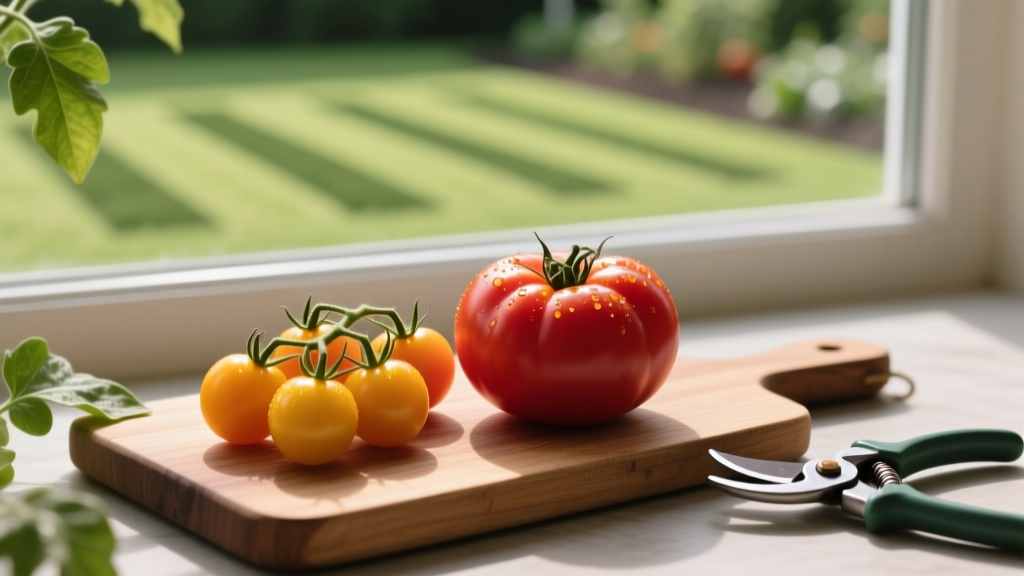
Sun Gold vs Better Boy Tomatoes: 2026 Care & Mowing Patterns
Sarah ChenPublished
Introduction to the 2026 Tomato Season
Welcome to the 2026 growing season. For home gardeners and landscape enthusiasts, integrating turf management with vegetable gardening is the key to a thriving, disease-free harvest. At lawns guide.com, we believe that what happens on your lawn directly impacts what happens in your garden beds. Today, we are diving deep into a classic horticultural matchup: the ultra-sweet Sun Gold cherry tomato versus the reliable, heavy-yielding Better Boy beefsteak tomato. While most guides focus solely on soil and pruning, this comprehensive guide explores a frequently overlooked factor in tomato health: the mowing techniques and lawn patterns surrounding your garden perimeter. By mastering your lawn care routines, you can drastically reduce fungal splash-back, improve airflow, and deter pests from destroying your Sun Gold and Better Boy crops this year.
Variety Breakdown: Sun Gold vs. Better Boy in 2026
Before we discuss the turf, we must understand the plants. Sun Gold and Better Boy represent two entirely different ends of the tomato spectrum. Sun Gold is an indeterminate cherry tomato famous for its exceptional brix (sugar) levels and prolific, almost weed-like growth habit. Better Boy is an indeterminate beefsteak, prized for its massive, meaty fruits and classic VFN (Verticillium wilt, Fusarium wilt, and Nematodes) disease resistance. According to the University of Minnesota Extension, understanding the specific growth habits of your chosen cultivar is the first step in establishing a proper garden microclimate.
| Feature | Sun Gold Cherry | Better Boy Beefsteak |
|---|---|---|
| Fruit Type & Size | Cherry (0.5 - 1 oz) | Beefsteak (12 - 16 oz) |
| Days to Maturity | 55 - 65 Days | 70 - 75 Days |
| Growth Habit | Indeterminate (Highly vigorous) | Indeterminate (Moderate vigor) |
| Disease Resistance | Minimal (Tobacco Mosaic Virus only) | VFN (Highly resistant) |
| Best Use | Snacking, salads, roasting | Slicing, sandwiches, canning |
| Pruning Needs | Low (Allow multiple leaders) | High (Strict single/double leader) |
The Mowing Connection: How Lawn Patterns Affect Tomatoes
Why are we discussing mowing patterns in a tomato care guide? The answer lies in integrated landscape management. The turfgrass immediately surrounding your raised beds or in-ground garden plots acts as a biological bridge. How you mow that grass dictates the humidity, pest pressure, and pathogen load that reaches your tomato leaves.
1. Preventing Fungal Splash-Back
Both Sun Gold and Better Boy tomatoes are susceptible to soil-borne fungal diseases like Septoria leaf spot and Early Blight. These pathogens overwinter in soil debris and grass thatch. When you mow your lawn using a standard side-discharge pattern aimed toward your garden beds, you are essentially launching a salvo of grass clippings, soil particles, and fungal spores directly onto the lower leaves of your tomatoes. The Texas A&M AgriLife Extension notes that keeping lower foliage dry and free of soil debris is the primary defense against early-season blights.
2. Microclimate Airflow and Wind Corridors
Tomatoes require excellent airflow to dry their leaves quickly after morning dew or rain. If your lawn is mowed in a haphazard manner, or if the grass immediately bordering the garden is left too tall, it creates a stagnant pocket of high humidity. By utilizing specific mowing patterns, you can create 'wind corridors' that funnel breezes directly through your tomato trellises, drastically reducing the risk of powdery mildew and late blight.
3. Pest Harboring and the Buffer Zone
Tall, unkempt grass edges are prime real estate for stink bugs, leaf-footed bugs, and tomato hornworm moths. These pests will breed in the turf and migrate into your garden as the grass dries out in the heat of summer. Establishing a disciplined mowing perimeter is just as important as the fertilizer you apply to your Better Boys.
Recommended Mowing Patterns for Tomato Garden Perimeters
To optimize the health of your Sun Gold and Better Boy tomatoes in 2026, implement the following specialized mowing techniques around your garden space:
- The Discharge-Deflection Perimeter Mow: When mowing the lawn adjacent to your tomato beds, always set your mower's discharge chute to face away from the garden. Better yet, use a mulching plug to finely chop clippings and drop them into the turf canopy rather than letting them pile up against your raised bed walls or tomato stems.
- The Wind-Corridor Striping Pattern: Identify the prevailing summer wind direction in your yard. Mow the lawn stripes perpendicular to the garden beds, aligning with the wind. This reduces surface friction on the grass and creates a literal wind tunnel that pulls fresh air through the lower canopy of your Better Boy beefsteaks, which are highly prone to humidity-related rot if air stagnates.
- The 3-Foot Mulched Buffer Zone: Do not mow grass directly up to the base of your garden beds. Instead, maintain a 3-foot 'no-mow' buffer zone around the perimeter of the garden. Cover this buffer with deep wood chip mulch. This stops mower-blade-thrown debris from reaching the tomatoes and creates a dry, hostile environment for crawling pests and slug habitats.
- The Edge-Trapped Pest Barrier: On the far side of your garden fence, allow a 12-inch strip of grass to grow slightly taller (about 4 inches) while keeping the grass immediately next to the tomatoes cut short (2.5 inches). This taller outer strip acts as a trap crop and windbreak, catching wind-blown weed seeds and slowing down migrating pests before they reach the short-grass 'kill zone' near your vegetables.
Soil Preparation and Planting Strategies
With your lawn patterns established, it is time to plant. Both Sun Gold and Better Boy demand nutrient-dense, well-draining soil. In 2026, the gold standard for home gardeners is a mix of 40% high-quality topsoil, 40% organic compost, and 20% coarse pine bark or perlite for drainage.
Plant your Better Boy beefsteaks at least 24 to 36 inches apart. Their massive root systems and thick canopies require space. Sun Gold cherry tomatoes can be planted slightly closer (18 to 24 inches), but because they are so vigorous, they still need room to expand. Bury the stems deep—up to the first set of true leaves—to encourage a massive, drought-resistant root system.
Pruning, Trellising, and Watering Care
Trellising Techniques
Better Boy tomatoes do best on heavy-duty Florida Weave systems or single, thick metal T-posts with soft silicone plant ties. You must prune Better Boy to a single or double main leader, aggressively pinching off all 'suckers' (the side shoots that grow in the leaf axils). This directs all the plant's energy into producing those massive 16-ounce beefsteak fruits.
Sun Gold, on the other hand, is a monster that will snap standard tomato cages in half by mid-July. Use heavy-duty welded cattle panels or a sprawling overhead trellis system. Allow Sun Gold to develop 3 to 4 main leaders. Do not over-prune this cherry variety; its high leaf count protects the delicate, thin-skinned fruits from sunscald and cracking during heavy summer rains.
Watering Schedules
Inconsistent watering is the enemy of both varieties, leading to blossom end rot in Better Boy and fruit splitting in Sun Gold. Install a drip irrigation system on a smart timer. Deliver 1.5 to 2 inches of water per week, divided into three deep watering sessions. Never use overhead sprinklers, as wet foliage invites the very fungal diseases your strategic mowing patterns are trying to prevent.
2026 Fertilizer and Pest Management Updates
The trend in 2026 is heavily focused on slow-release, microbe-rich organic fertilizers. At planting time, mix a granular organic fertilizer with a 4-7-10 NPK ratio (like Espoma Tomato-tone) into the bottom of the planting hole. Once the first fruits on your Better Boy are the size of golf balls, begin a bi-weekly liquid kelp and fish emulsion foliar feed to support the heavy fruit load.
For pest management, the EPA's guidelines on safe lawn and garden pest control emphasize targeted, low-toxicity interventions. Because your mowing patterns have already reduced the habitat for stink bugs and hornworms, you can rely on weekly sprays of Bacillus thuringiensis (Bt) to target caterpillars, and insecticidal soaps for early-stage aphid control on your Sun Gold vines.
Conclusion
Growing exceptional Sun Gold cherry and Better Boy beefsteak tomatoes in 2026 requires looking beyond the garden bed. By treating your lawn and your vegetable garden as a single, interconnected ecosystem, you unlock a new level of horticultural success. Implementing outward-discharge mowing, wind-corridor striping, and mulched buffer zones will keep your foliage dry, your pests confused, and your harvest abundant. Whether you are biting into a warm, candy-sweet Sun Gold off the vine or slicing a thick, juicy Better Boy for your summer sandwiches, the effort you put into your perimeter lawn care will be evident in every single bite.
