Gardening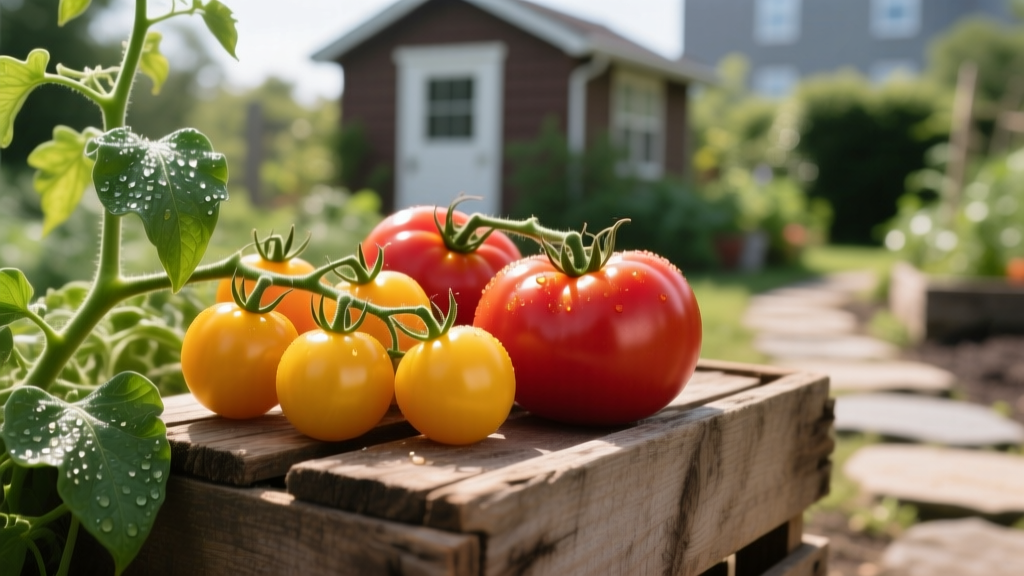
Photographing Sun Gold vs Better Boy Tomatoes: 2026 Care Guide
Emily WatsonPublished
The Intersection of Horticulture and Visual Storytelling
Gardening in 2026 is as much about observing and documenting as it is about cultivating. With the rise of high-resolution smartphone sensors and accessible mirrorless cameras, home gardeners are increasingly turning their beds into living studios. Among the most rewarding subjects for garden photography and documentation are tomatoes. However, capturing the essence of a tomato requires understanding its specific botanical habits. In this guide, we will explore the distinct care and photography techniques required for two iconic varieties: the vibrant Sun Gold cherry tomato and the robust Better Boy beefsteak tomato.
Whether you are tracking growth stages for a visual garden journal or capturing mouth-watering harvest shots for social media, mastering the unique characteristics of these two varieties will elevate both your horticultural yields and your photographic portfolio.
Understanding Your Subjects: Sun Gold vs. Better Boy
Before you pick up your camera, you must understand the growth habits and visual profiles of your subjects. Sun Gold and Better Boy represent two completely different ends of the tomato spectrum, both in how they grow and how they interact with light.
| Feature | Sun Gold Cherry | Better Boy Beefsteak |
|---|---|---|
| Fruit Color | Translucent Vibrant Orange | Classic Deep Matte-to-Glossy Red |
| Growth Habit | Indeterminate (Wild, Sprawling) | Indeterminate (Structured, Heavy) |
| Pruning Needs | Minimal (Light thinning for airflow) | Heavy (Aggressive suckering required) |
| Best Photo Style | Macro, Backlit Clusters, Vine Details | Environmental, Scale Shots, Cross-Sections |
| Days to Maturity | 55-65 Days | 70-75 Days |
According to the Old Farmer's Almanac, understanding the indeterminate nature of both plants is crucial for garden planning, but their physical architecture demands entirely different approaches to trellising, pruning, and ultimately, photographic framing.
2026 Care Protocols for Photogenic Tomatoes
A photograph is only as good as its subject. Stressed plants with curled leaves or blossom end rot do not make for compelling imagery. In 2026, with increasingly erratic summer heatwaves, consistent care is paramount.
Soil and Nutrition
Both varieties require rich, well-draining soil amended with organic compost. However, Better Boy beefsteaks are heavy feeders due to their massive fruit size. Apply a balanced organic fertilizer like Espoma Tomato-tone at planting, and side-dress every three weeks. To prevent blossom end rot—a dark, sunken lesion on the bottom of the fruit that ruins both the harvest and the photo—ensure your soil has adequate calcium. Crushed eggshells or a dedicated calcium amendment worked into the soil at the root zone is highly recommended.
Watering and Climate Management
Consistency is the golden rule of tomato care. Provide 1.5 to 2 inches of water per week, utilizing drip irrigation to keep foliage dry and prevent fungal diseases like early blight. In the peak heat of the 2026 summer, deploying a 30% to 50% shade cloth over your Better Boys during the hottest part of the afternoon not only prevents sunscald on the fruit's skin but also acts as a giant, natural photography diffuser, softening harsh sunlight for mid-day shoots.
Pruning for the Lens
Pruning directly impacts your photographic compositions. As noted by Penn State Extension, aggressive suckering is vital for large beefsteaks. Remove all lateral shoots (suckers) on Better Boy plants to direct energy into fewer, larger fruits and to create clean, uncluttered visual lines for your camera. Conversely, Sun Gold cherries produce fruit on complex, sprawling racemes. Allow them to grow with multiple leaders, only thinning out densely packed inner foliage to ensure light penetrates the canopy, illuminating the orange fruit from within.
Photographing Sun Gold Cherry Tomatoes
The Sun Gold is famous for its exceptional sweetness and its striking, glowing orange hue. To capture this, you must master the art of backlighting.
Lighting: The Golden Hour Glow
Sun Gold tomatoes are translucent. When the sun is low on the horizon during the morning or evening golden hour, position yourself so the sun is behind the tomato cluster, pointing toward your lens. This backlighting causes the orange fruit to literally glow from within, highlighting the tiny, intricate fuzz on the skin and creating a warm, ethereal image. Use a lens hood or your hand to block the sun from directly hitting the front element of your lens to avoid severe flare.
Lenses and Composition
For dedicated camera users, a 90mm or 100mm macro lens is ideal. If you are using a 2026 flagship smartphone, engage the dedicated 'Macro' or 'Pro' mode, ensuring you lock focus on the nearest fruit in the cluster. Shoot at a wider aperture (like f/2.8 or f/4) to blur the chaotic background foliage into a smooth, creamy bokeh, making the sharp, glowing orange cluster pop. Use the winding green vines as leading lines to draw the viewer's eye through the frame.
The Macro Water Drop Trick
To add a fresh, 'just-watered' look to your macro shots, keep a spray bottle filled with water and a few drops of vegetable glycerin nearby. The glycerin increases the surface tension of the water, creating perfect, plump droplets that cling to the tomato skin and won't evaporate quickly under the sun, giving you ample time to adjust your focus and exposure.
Capturing the Better Boy Beefsteak
Better Boy tomatoes are the quintessential American slicing tomato. They are massive, deeply red, and heavily ribbed. The photographic goal here is to convey weight, texture, and scale.
Lighting: Diffused and Directional
Unlike the translucent Sun Gold, the deep red skin of a Better Boy is highly reflective and prone to harsh specular highlights (blown-out white spots) in direct sunlight. The best time to photograph beefsteaks is on a bright, overcast day, or in open shade. The soft, omnidirectional light will wrap around the deep ribs and ridges of the tomato, emphasizing its rugged texture without creating distracting glare.
Conveying Scale and Context
A Better Boy can easily weigh over a pound, but a photograph lacks inherent scale. To document the sheer size of your harvest, incorporate the human element. A close-up of soil-stained hands gently cradling the massive fruit instantly communicates its weight and the tactile reality of the garden. Alternatively, use a 35mm or 50mm prime lens to capture an 'environmental portrait' of the tomato hanging heavily on the vine, pulling the plant downward, showcasing the physical effort the plant exerts to support its bounty.
The Cross-Section Studio Shot
Beefsteaks are prized for their meaty interior and low seed count. To document this, bring a harvested Better Boy indoors to a controlled environment. Set up near a large window with sheer curtains to diffuse the light. Slice the tomato horizontally with a sharp, non-serrated knife. A macro shot of the dense, fleshy interior, perhaps with a single drop of olive oil and a flake of sea salt placed on the cut surface, bridges the gap between garden documentation and culinary photography.
Building a Visual Garden Journal in 2026
Documentation is about tracking change over time. Creating a visual journal of your Sun Gold and Better Boy plants from seedling to final harvest provides invaluable data for future seasons and creates a compelling narrative.
Time-Lapse Setups
Invest in a dedicated, weatherproof time-lapse camera (such as the latest Brinno TLC200 series or a repurposed 2026 smartphone running a continuous intervalometer app in a weatherproof housing). Mount the camera on a rigid stake driven deep into the bed, ensuring it will not be bumped during weeding or harvesting. Set the interval to capture one frame every 30 minutes. Over a 75-day season, this will yield a mesmerizing video of the Better Boy's rapid vertical climb and the Sun Gold's explosive lateral branching.
Consistent Framing for Growth Tracking
If you prefer daily still photography, consistency is key. Drive a small, unobtrusive marker stake into the ground where you will stand to take the photo, and note the exact height and angle of your lens. By shooting from the exact same vantage point every Sunday morning, you create a seamless flip-book effect in your digital journal, perfectly illustrating the vegetative growth rates and fruit ripening timelines of both varieties.
Conclusion
Growing Sun Gold and Better Boy tomatoes offers a masterclass in contrast, both in the garden bed and through the camera viewfinder. By tailoring your 2026 care routines to their specific physiological needs and adapting your photographic techniques to their unique visual properties, you can cultivate a garden that feeds both the body and the creative spirit. For more detailed regional planting schedules and pest management strategies, consult your local university extension office or the Royal Horticultural Society's comprehensive tomato guides. Grab your pruning shears, charge your camera batteries, and step into the garden.
