Gardening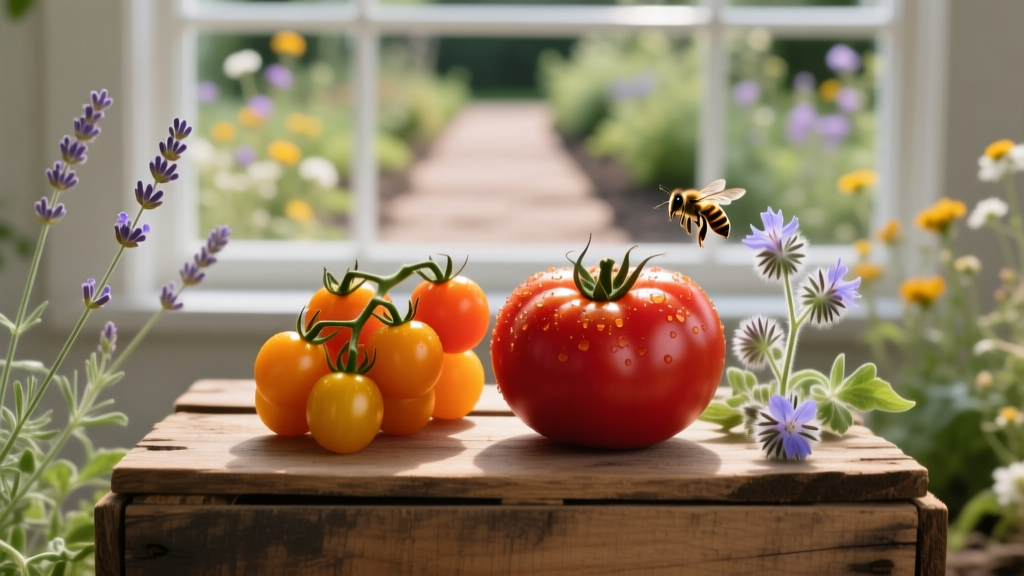
Sun Gold vs Better Boy Tomatoes: 2026 Pollinator Garden Care
James MillerPublished
Introduction to 2026 Tomato Gardening and Pollinator Design
As we enter the 2026 growing season, home gardeners are increasingly recognizing that a thriving vegetable patch is about more than just soil and water; it is about cultivating a vibrant ecosystem. When deciding which tomatoes to plant, two legendary hybrids often top the list: the Sun Gold cherry tomato and the Better Boy beefsteak. While both are exceptional producers, they serve different culinary purposes and require slightly different care routines. More importantly, integrating these tomatoes into a pollinator-friendly garden design can dramatically improve your overall garden health and tomato yields.
Tomatoes are technically self-fertile, meaning they contain both male and female parts within the same flower. However, their pollen is tightly held within the anthers and requires a specific type of vibration to be released—a process known as buzz pollination or sonication. Native bees, particularly bumblebees, are the masters of this technique. By designing your 2026 garden to attract and sustain these vital pollinators, you ensure heavier, more uniformly shaped fruits and a significantly higher harvest from both your Sun Gold and Better Boy plants.
Variety Showdown: Sun Gold Cherry vs. Better Boy Beefsteak
Before diving into garden design, it is essential to understand the distinct characteristics of these two powerhouse varieties. Sun Gold is an indeterminate cherry tomato famous for its exceptional sweetness, often registering high on the Brix scale. Better Boy is a classic indeterminate beefsteak, prized for its large, meaty, disease-resistant red fruits that are perfect for slicing.
| Feature | Sun Gold (Cherry) | Better Boy (Beefsteak) |
|---|---|---|
| Fruit Size | 10-15 grams (bite-sized) | 225-340 grams (8-12 oz) |
| Days to Maturity | 57-65 days (Early) | 70-75 days (Mid-Season) |
| Growth Habit | Indeterminate (vigorous rambler) | Indeterminate (tall, requires staking) |
| Disease Resistance | Resistant to Fusarium, TMV | Highly resistant to VFN, Nematodes |
| Best Culinary Use | Snacking, salads, roasting | Sandwiches, burgers, fresh slicing |
| Pruning Needs | Minimal; allow to branch | Heavy suckering required for airflow |
The Science of Buzz Pollination in the Tomato Patch
According to The Xerces Society for Invertebrate Conservation, native bees are indispensable for maximizing the yield of solanaceous crops like tomatoes. Honeybees are generally ineffective at buzz pollination because they do not possess the specific flight muscle mechanics required to vibrate the tomato flower at the correct frequency (usually around 400 Hz). Bumblebees, on the other hand, grab the flower and contract their flight muscles without moving their wings, creating a sonic vibration that shakes the pollen loose like salt from a shaker.
When you design your garden with pollinators in mind, you are directly investing in the reproductive success of your Better Boy and Sun Gold tomatoes. A garden devoid of native pollinators will still produce tomatoes via wind pollination, but the fruits are often smaller, more prone to catfacing, and lower in overall weight. By inviting bumblebees, sweat bees, and mason bees into your garden space, you guarantee a bountiful 2026 harvest.
Designing a Pollinator-Friendly Tomato Bed
To create a haven for pollinators while growing your tomatoes, you must incorporate companion planting and habitat preservation into your garden layout. The University of Minnesota Extension recommends interplanting vegetables with a diverse array of flowering herbs and annuals to provide continuous nectar and pollen sources throughout the growing season.
Top Companion Plants for Tomato Pollinator Gardens
- Borage (Borago officinalis): Often called the 'bee bush,' borage refills its nectar rapidly, making it a constant food source for bumblebees. It is widely believed to improve tomato flavor and deter tomato hornworms.
- Sweet Alyssum (Lobularia maritima): This low-growing annual acts as a fantastic living mulch beneath your towering Better Boy plants. It attracts tiny predatory wasps and hoverflies, which prey on aphids and whiteflies that commonly attack tomatoes.
- Zinnias (Zinnia elegans): Plant tall zinnia varieties at the northern edge of your tomato bed so they do not shade your crops. Their broad landing pads are perfect for larger pollinators and butterflies.
- Cosmos (Cosmos bipinnatus): With their open, daisy-like faces, cosmos provide easily accessible nectar. They bloom profusely from early summer until the first frost, bridging the gap when tomato blossoms might slow down in peak heat.
- Basil (Ocimum basilicum): Allow a few of your basil plants to bolt and flower. The delicate purple and white spikes are irresistible to native bees and offer a dual harvest of culinary herbs and pollinator support.
Soil Preparation and 2026 Planting Standards
Healthy plants produce more nectar and more robust flowers, which in turn attract more pollinators. In 2026, the standard for organic tomato cultivation emphasizes soil biology over synthetic inputs. Before planting, test your soil to ensure a pH between 6.2 and 6.8, which is optimal for nutrient uptake in both Sun Gold and Better Boy varieties.
Amend your planting holes with a mixture of high-quality organic compost, a handful of worm castings, and a dusting of mycorrhizal fungi. Mycorrhizae form a symbiotic relationship with tomato roots, vastly expanding their ability to absorb water and phosphorus—crucial for prolific blooming. Avoid high-nitrogen synthetic fertilizers; while they will produce massive, lush green vines, they will delay flowering and reduce the nectar quality of the blooms, ultimately discouraging pollinator visits.
Spacing for Airflow and Pollinator Access
Crowded gardens restrict pollinator movement and invite fungal diseases like early blight and powdery mildew.
- Better Boy Spacing: Plant 30 to 36 inches apart in rows spaced 4 feet apart. Because Better Boy produces massive fruits and thick foliage, this wide spacing allows bumblebees to easily navigate between plants and ensures morning sun quickly dries the dew from the leaves.
- Sun Gold Spacing: Plant 24 to 30 inches apart. Sun Gold is a vigorous rambler. While it can be grown on a tall trellis, allowing it to spill over a wide cattle panel trellis creates a 'wall of blossoms' that acts as a highly visible beacon for foraging bees.
Pruning, Trellising, and Maintenance
Maintenance routines differ vastly between these two varieties, and your pruning strategy will impact how easily pollinators can access the flowers.
Pruning Better Boy: Better Boy requires aggressive suckering. Remove the lateral shoots (suckers) that grow in the crotch between the main stem and the branches. By maintaining the plant to one or two main leaders and securing them to heavy-duty 7-foot steel T-posts, you open up the center of the plant. This architectural openness allows bees to spot the yellow flowers easily and provides the wind ventilation necessary to prevent blossom drop during humid mid-summer weeks.
Managing Sun Gold: Sun Gold cherry tomatoes produce fruit on massive, sprawling trusses. Over-pruning will drastically reduce your yield. Instead of suckering, use a Florida weave trellis system or a large tomato cage to support the main branches. Allow the secondary branches to flourish and bloom. The sheer volume of flowers on a well-supported Sun Gold plant will draw pollinators from across your yard.
Watering and Pest Management Without Harming Pollinators
Consistent watering is vital to prevent blossom end rot, particularly in large beefsteaks like Better Boy. Utilize drip irrigation lines placed at the base of the plants. Overhead watering not only wastes water but also washes away the pollen from the anthers, making it impossible for the buzz pollination process to occur effectively. Furthermore, wet foliage is a primary vector for late blight.
When pests like tomato hornworms or aphids appear, your pollinator-friendly design will already be working in your favor. The hoverflies and parasitic wasps attracted by your sweet alyssum and borage will naturally manage aphid populations. If intervention is necessary, avoid broad-spectrum insecticides, including organic options like neem oil or spinosad, during daylight hours when bees are active. If you must use an organic spray, apply it at dusk after the pollinators have returned to their nests, and only target the specific affected leaves rather than blanket-spraying the entire garden.
Harvesting and Yield Expectations
With a garden designed to support native bees, your 2026 yields will be impressive. A single, well-pollinated Better Boy plant can produce 10 to 15 pounds of massive, crack-resistant beefsteaks over the season. Harvest them when they are fully colored but still have a slight give when gently squeezed. Sun Gold, on the other hand, will produce hundreds of cherry tomatoes per plant. Harvest them when they reach a deep, translucent tangerine orange. If picked too early, they lack their signature tropical sweetness; if left too long, the thin skins will split.
Conclusion
Choosing between Sun Gold and Better Boy does not have to be an either-or decision; both can thrive in the same garden when planned correctly. By viewing your tomato patch through the lens of pollinator-friendly design, you elevate your gardening from a simple agricultural task to a holistic ecological practice. Providing habitat, planting diverse floral companions, and respecting the vital role of native bees ensures that your 2026 garden will be as beautiful and buzzing with life as it is productive. For more region-specific planting guides and pollinator habitat tips, consult the Pollinator Partnership's regional ecoregional guides to tailor your companion planting to your exact local climate.
